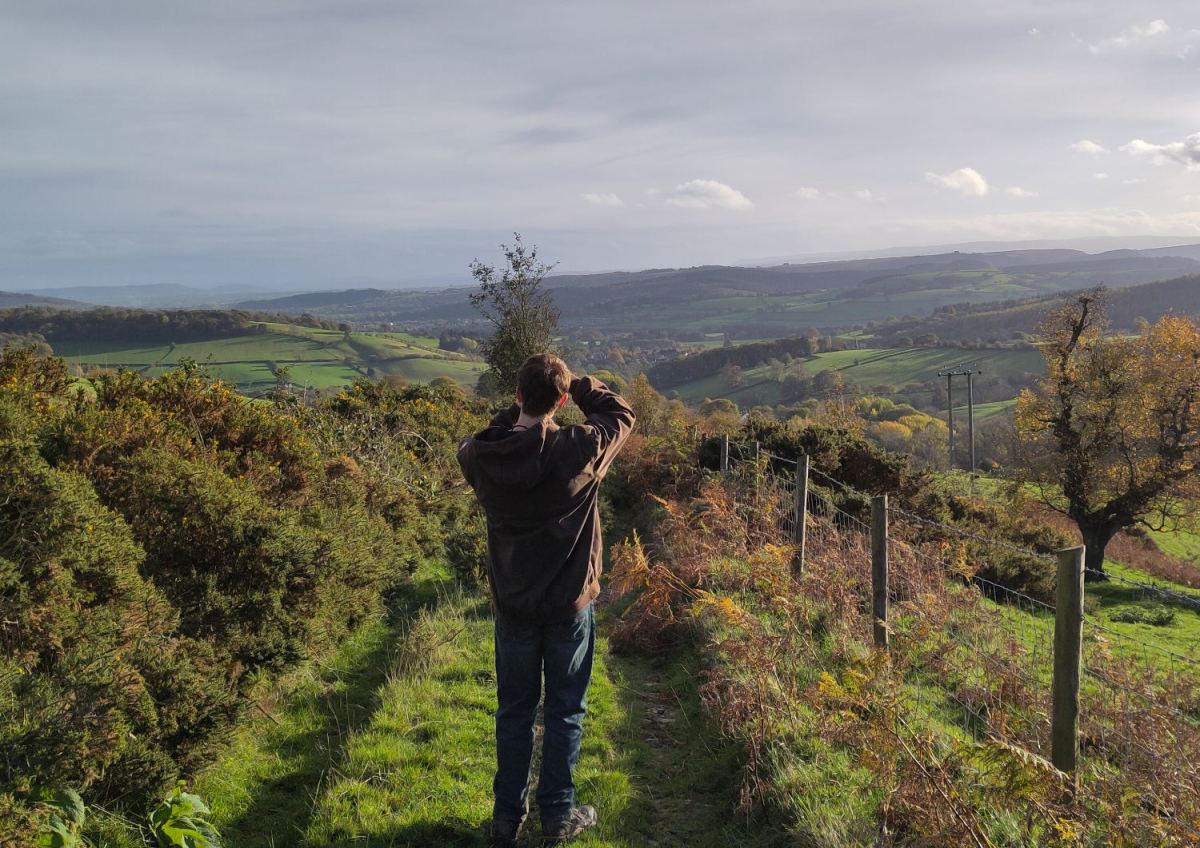
A few weeks after moving from Birmingham to Knighton in Powys, my son and I walked from the town to neighbouring Presteigne and back along the Offa’s Dyke Path. In the mist and drizzle of the morning, the ancient earthwork guided our steps as we crossed fields and old drovers’ lanes as it must have done for countless others over the centuries. That walk, with its mix of history, landscape and companionship, reminded me that paths are more than routes on maps: they are threads stitching together people, places and stories. That walk has since framed some thoughts on what Knighton has taught me about community.
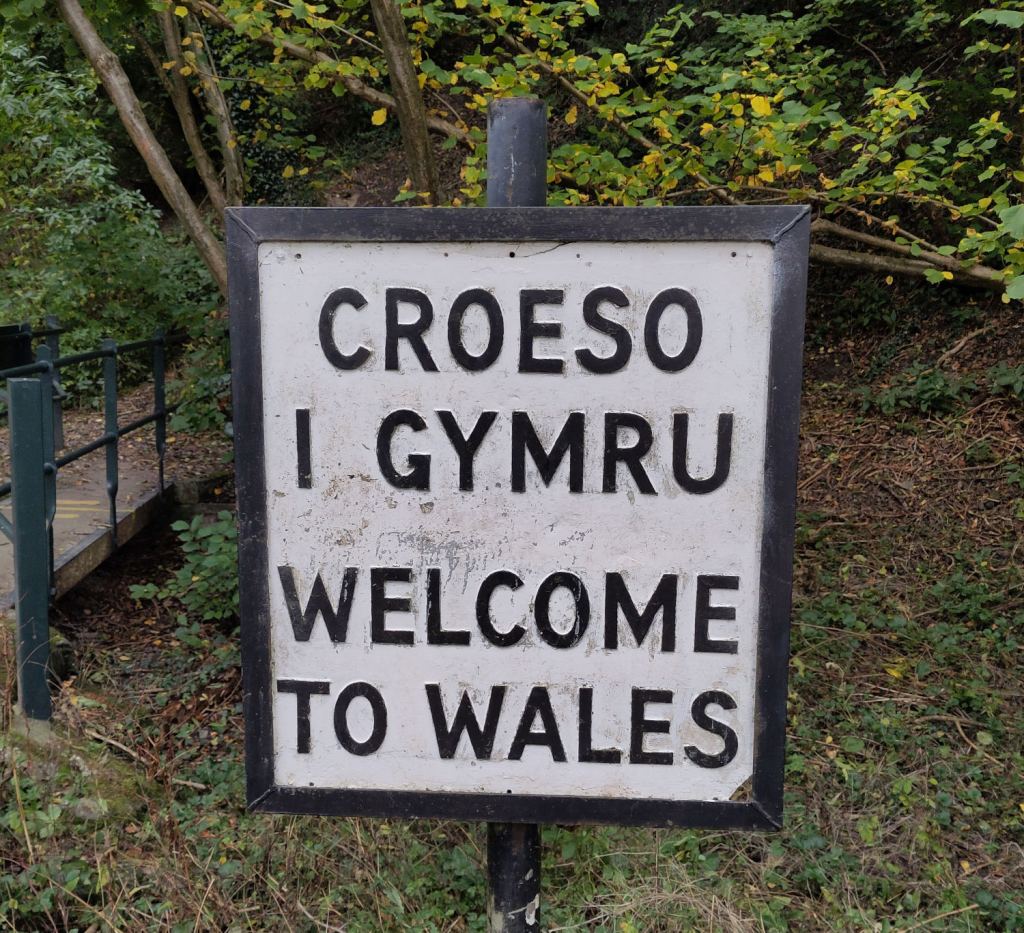
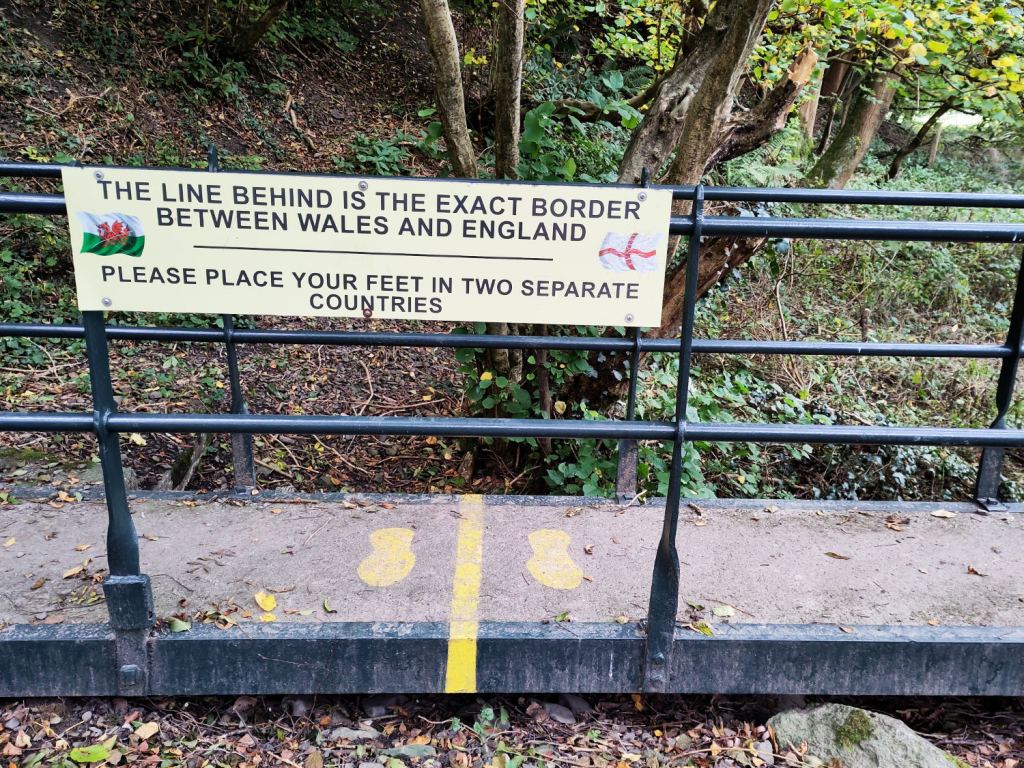
Knighton sits exactly on the English-Welsh border. Its Welsh name Tref-y-Clawdd or ‘The Town on the Dyke’, is a reminder of a layered history. The town is beautiful: hemmed in by wooded, rolling hills and criss-crossed by ‘the narrows’, higgledy-piggledy lanes that run between houses replete with gnomes, stone lighthouses and pot plants on steps. Yet beneath the charm lies a demographic reality: Knighton has a predominantly older population. Like many rural areas, it attracts retirees, while younger people often move away for education and work. The result is a community rich in heritage but stretched thin when it comes to energy and resources.
Within weeks of arriving, I jumped into local cultural life. I became the social media coordinator for the Knighton & District Concert Society, joined the committee for the Knighton Festival, and was invited to join the Tourism Committee. These groups are small, powered by volunteers who have carried the load for decades. They are the beating heart of Knighton’s cultural scene. Their resilience and dedication are remarkable, but they also need fresh energy to sustain the work.
Fabric of rural social life
Rural communities are more than geographic clusters; they are patchworks of relationships, trust, and shared meaning. When those ecosystems weaken, everything else – economic resilience, mental health, public services and possibly even democracy – begins to fray. Sustaining them requires people willing to do unglamorous work: attend evening meetings, open bank accounts, put up posters, bid for grants, deal with contractors, make sandwiches, and give up evenings and weekends. This is the work of belonging. And while it is demanding, it also brings rewards: time given freely builds bonds that money cannot buy.
Compared to cities, rural ties often run deeper. Family networks, neighbourly reciprocity, and shared traditions create a closeness that urban life with their promise of anonymity (and the quick tempers that it facilitates) can sometimes lack. I left Birmingham after the third time I was assaulted – this time when someone threw a brick at my head. It is commonplace for younger people to move away to the economic opportunities of cities, but those who remain, and those who return, need to balance the fabric of loyalty and care without feeling smothered.
Why social capital matters
Social capital isn’t just a warm idea. Communities with strong social ties cope better with crises, innovate more effectively, and offer richer lives to their members. In rural areas, where formal services are often thin, social capital is the safety net. It’s the neighbour who lends you logs for the stove in winter, the one who grits the shared walkway, lends you tools, or leaves cooking apples on your doorstep. It’s the volunteers who coach the junior rugby team, and the committee that keeps the arts alive. Here, volunteers just about keep the Offa’s Dyke Centre and the Knighton Museum open.
But social capital doesn’t happen by accident. It is built through participation, common endeavour and trust, and through the slow, sometimes frustrating work of showing up, listening, compromising, and creating together. People need to know that their efforts will be rewarded and reciprocated before they start. In game theory, this is known as “tit-for-tat plus” – or “giving the benefit of the doubt’ in simpler terms. If we think we’ll never see the other person again, why bother saying hello?
Culture as a connector
Henry Hemmings, in his book Together, argues that shared experiences are the glue that binds us. Festivals, concerts, and community arts aren’t luxuries; they’re lifelines. They create spaces where people of different ages, backgrounds, and beliefs can meet – not as avatars, but as neighbours.
Knighton’s concert society and festival are perfect examples. They bring world-class music and vibrant ideas to a small town. The Talland Quartet from the Royal Northern College of Music, who performed the first of this season’s concerts, were brilliant: young, energetic, and committed to bringing culture to far-flung corners of the country. Behind the scenes, volunteers juggle budgets, marketing, logistics, and online payment software. It’s hard work, but without it, the cultural life of the town would wither. We look with admiration to chi-chi Presteigne (Llanandras in Welsh) and smile wryly at the global renown of Hay-on-Wye (Y Gelli Gandryll), but Knighton’s efforts are no less vital.
The moral imperative
Jonathan Haidt’s The Righteous Mind reminds us that morality isn’t just about abstract principles; it’s about the foundations that allow us to live together. One of those foundations is loyalty: not blind tribalism, but a commitment to the groups that sustain us. In an age of unseeing digital tribes and their blinkered acolytes, we need to rediscover loyalty to our real-life communities. Try burning a digital log on your stove in December.
Social media can be a double-edged sword. While it can atomise and distract, it also helps rural communities connect and discover what’s happening in towns just down the road. The challenge is to use it as a tool for connection, not a substitute for presence.
Lessons from Knighton
My short time in Knighton has taught me this: community doesn’t just happen. It is forged through effort, through resisting the pull of doomscrolling, through the willingness to give more than you take. Rural life is complex and demanding, but deeply rewarding. I’ve made more friends in six weeks here than in twenty years in Birmingham.
When I sit in a committee meeting, surrounded by people who have been doing this for decades, I feel a sense of continuity that no algorithm can replicate and no amount of secret spite or can compensate. When I see a packed hall for a concert, I see the payoff of countless unseen hours. This is what sustains a town. Shared endeavours and human interactions are what sustain us: not digital likes and ‘followers’.
Walkspace: Turning paths into possibilities
Knighton isn’t just a place on the map – it’s a landscape alive with stories. The Black Hill of Bruce Chatwin’s On the Black Hill is nearby, and the Radnor Hills rise in the distance. Walking here is part of the culture: besides the Offa’s Dyke Centre, Knighton even has its own walking festival. When we walk these paths, we’re not only tracing ancient routes walked by sheep drovers of old, Owain Glyndwr and King Offa; we’re part of something much bigger.
This is where Walkspace comes in. Walkspace isn’t just a website or a WhatsApp group. It’s a cooperative of artists and walkers, powered by volunteers and guided by a shared vision. Every walk, every photograph, every reflection adds to a collective tapestry. As members, we’re not just participants but co-creators of a community with extraordinary potential.
Knighton reminds us why this matters. Its paths, lanes and narrows (and miniature nautical statuary) invite us to slow down, to notice, to connect not only with nature but with each other. Walkspace and other community groups are more than platforms; they are movements. Rare spaces where creativity and community meet.
Knighton is teaching me that the work of community is never finished. But it matters more than ever. In a fractured, polarised and increasingly isolated world where most people would rather stare at a phone than smile or talk to each other, the simple act of turning up and helping people can be genuinely radical. Choose effort over convenience, togetherness over isolation. Our communities, services and maybe one day even democracy, depend on it.
Pictures: © Dan Carins, 2025
 Walkspace