Are you up for a vicarious walk across Japan starting tonight?
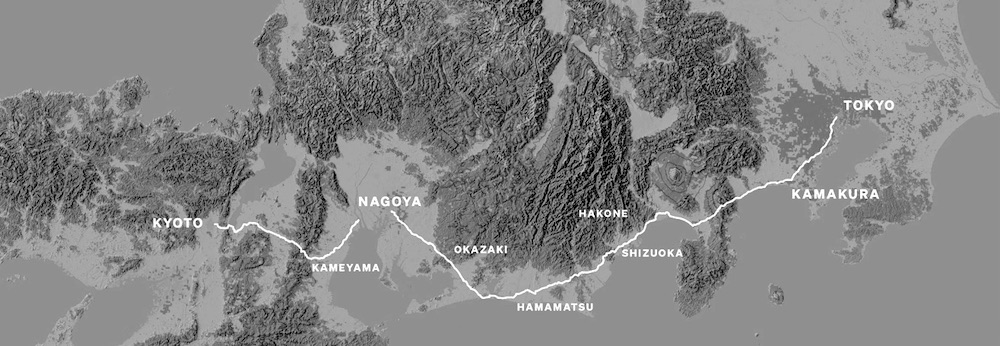
Craig Mod – writer of Roden and Ridgeline newsletters – is inviting people to join him on his durational walk 500km from Tokyo to Kyoto. It starts when he turns 40 at midnight tonight and he will walk daily until the end of November.
He is asking people to sign up and respond to daily walk newsletters with some kind of action that will be turned into a book of the walk.
To explain:
Each day I’ll send out one photograph and a 200-words-or-fewer missive. It’s meant to be visual, short and punchy. A Low Impact™ email. Something you’ll be happy to peek at.
It’s going to be weird! We’ll meet strange folks! Eat pizza toast! Walk along highways! Play some pachinko! Smoke disconcertingly cheap, unfiltered cigarettes! (OK, maybe not that last one.)
Roden 047
Craig Mod has form doing this so it should be enjoyable and an interesting journey to a part of the world that I’d love to visit.
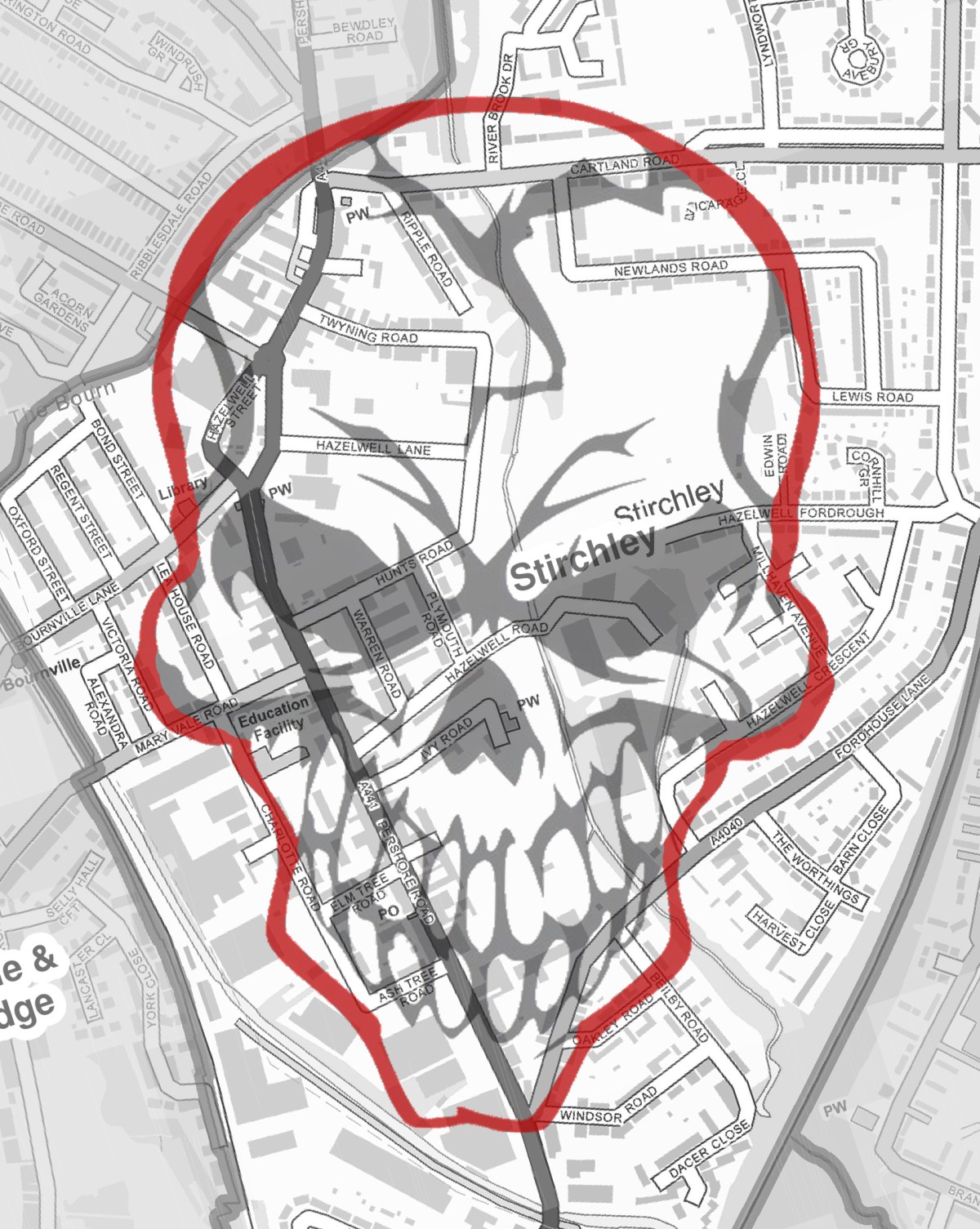
We wanted to do an informal rule-of-six compliant Halloween walk, so Fiona grabbed a scary looking skull of the internet and laid it on top of a map of Stirchley to see how it might fit.
We’ll be following the red outline as best we can on Saturday and then retiring to our garden for skyclad dancing a beer or two by the fire.
Following a shape randomly drawn on a map is an old flaneur trick, forcing you to follow routes and paths you wouldn’t normally consider. Andy and I used this for our Cross City Walks project, drawing straight lines and trying to stick to them. Bill Drummond famously scralled BILL on an A-Z map of London and tried to walk it.
The thing with this is not to try and do it religiously. Not only does this often lead to barbed wire and trespass, it missed the point of the exercise which is to get off your beaten tracks and start associating areas you might be familiar with in new ways.
For example, despite living here for over a decade I’ve never walked that specific route down the right-hand side of the skull, from Cartland Road, down a cut-through to Newlands, then across the park to Millhaven Ave and down Hazelwell Crescent to the river. Always nice to have a first.
Of course, not everyone lives in Stirchley, so we’ve prepared a transparent PNG for you to overlay on your own map.
Enjoy your spooky walk!
Update:
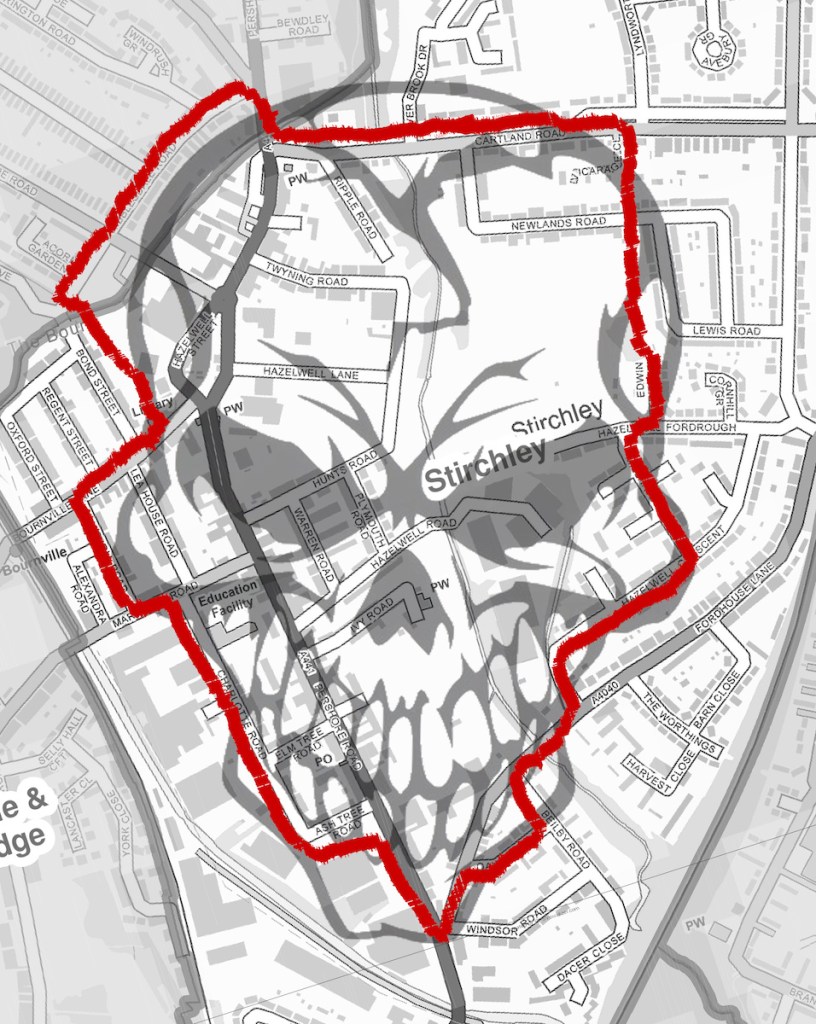
We did the walk and had a lovely time. Fiona recorded a GPS trace so here’s the skull-as-walked!
Last month we “went” to the 4th World Congress of Psychogeography. We’ve already posted about our own contribution to this virtual gathering but here we want to give a mention to some of the other West Midlanders we came across while “there”.
Helen Garbett and Bill Laybourne
One of the highlights of the Friday film night was Helen Garbett and Bill Laybourne’s psychedelic Black Country amble Albion: Care Don’t Care.
After three months of lockdown Helen and Bill returned to Albion Street in Brierley Hill. At first they noticed, with a heightened sensibility a street full of caring organisations such as a local food bank and Samaritans incongruously set within an environment that is utterly uncared for and decaying. Subsequent visits revealed unexpected associations and a melancholic beauty.
Helen, a visual artist and Bill, a sound artist co-founded Workshop 24 in 2018 where they work collaboratively as social art and walking practitioners. More about their projects and recent work can be found here. And here’s their panel discussion at the Congress.
Emily Inglis and Rachel Owens
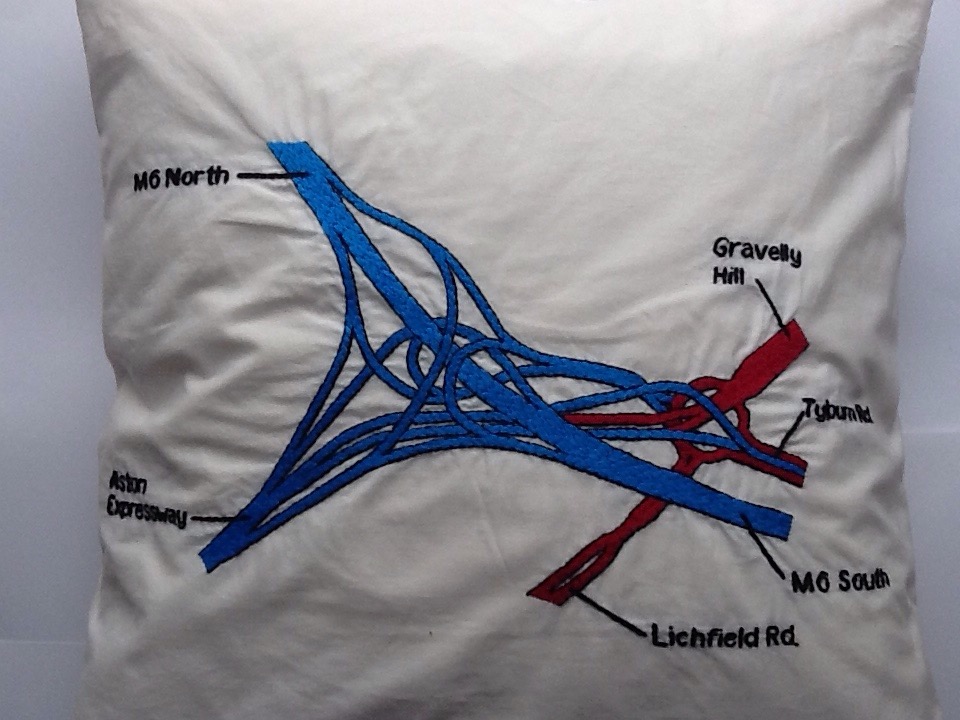
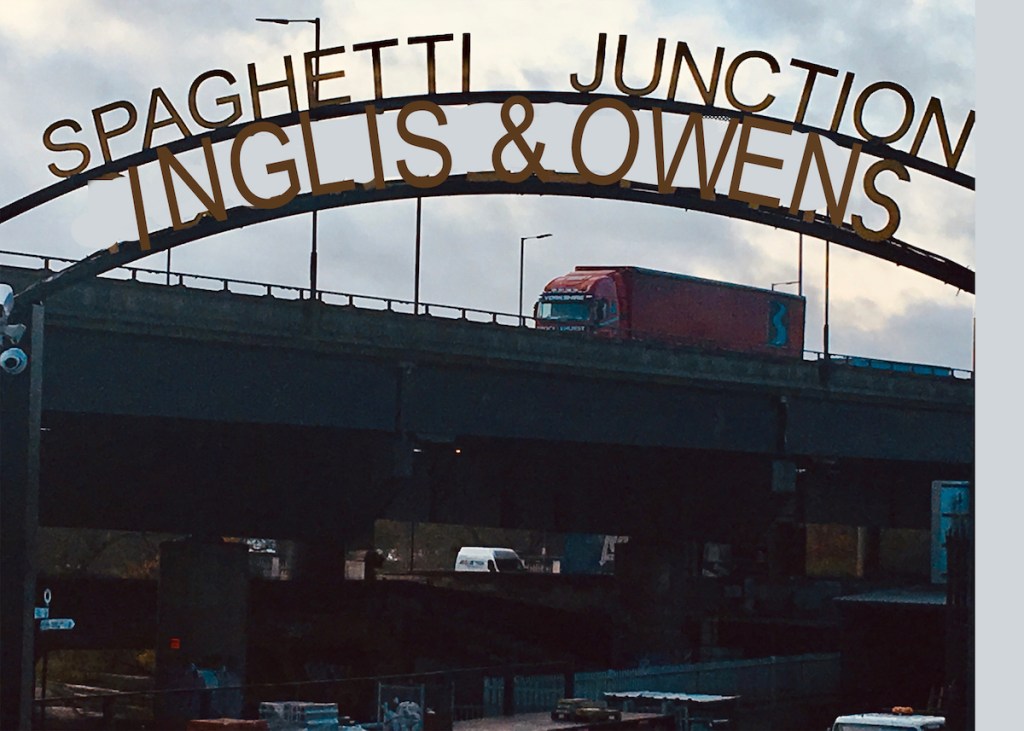
The mighty Gravelly Hill Interchange, AKA Spaghetti Junction has long been a favourite haunt of ours here at Walkspace so we were delighted to find a pair of artists who share our love of this concrete colossus.
Emily Inglis and Rachel Owens go on walks and make art; their creative collaboration is based on a thirty year friendship and the interplay of tensions and class differences contained within it.
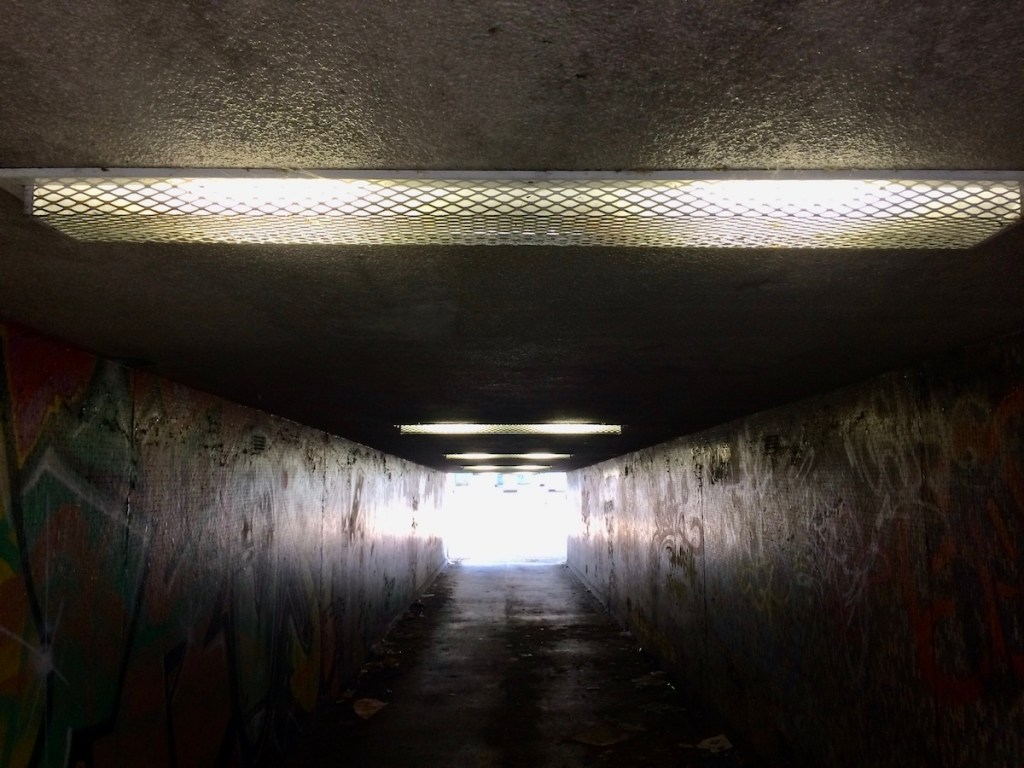
They both grew up in the Midlands: Leamington Spa and Nottingham. Now they live 400 miles apart and walking trips are the thing. The Spaghetti Junction walk was a way back into art for them. Travelling up from Sussex and down from Edinburgh they chose to explore the footpaths, tunnels, underpasses, towpaths and the ‘no-man’s land’ parts of the junction; signposting this an English landmark to be celebrated.
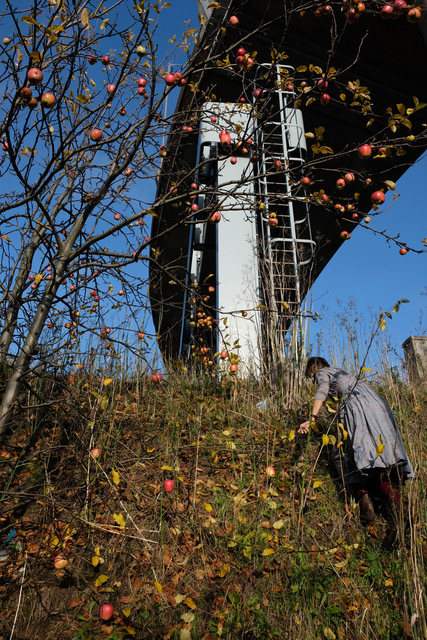
This is part of a wider project investigating overlooked sites that say something different about England. They visited the Junction in all seasons finding recurring themes that drew them back: the strange, the scary, the funny, the getting lost, the countless arguments and the unexpected glorious hidden sanctuaries. They came across an apple tree at the heart of the Spaghetti Junction laden with fruit. Was this discarded by a fractious kid stuck in a traffic jam sometime in the 70s?
Emily and Rachel are currently working on a film born out of their explorations of the Junction. We eagerly await it and shall share it here when complete.
We hope to return to 4WCOP next year, ideally in person this time!
Following the success of our first Drawing Attention workshop in August we’re delighted to be teaming up with Hipkiss & Graney once more for another go. Save the date: 19 September, 1pm
Using our digitised map of Stirchley curios we’ll be questing through the streets and stopping to draw objects, buildings, flora, fauna and landscapes.
Such exciting landmarks include:
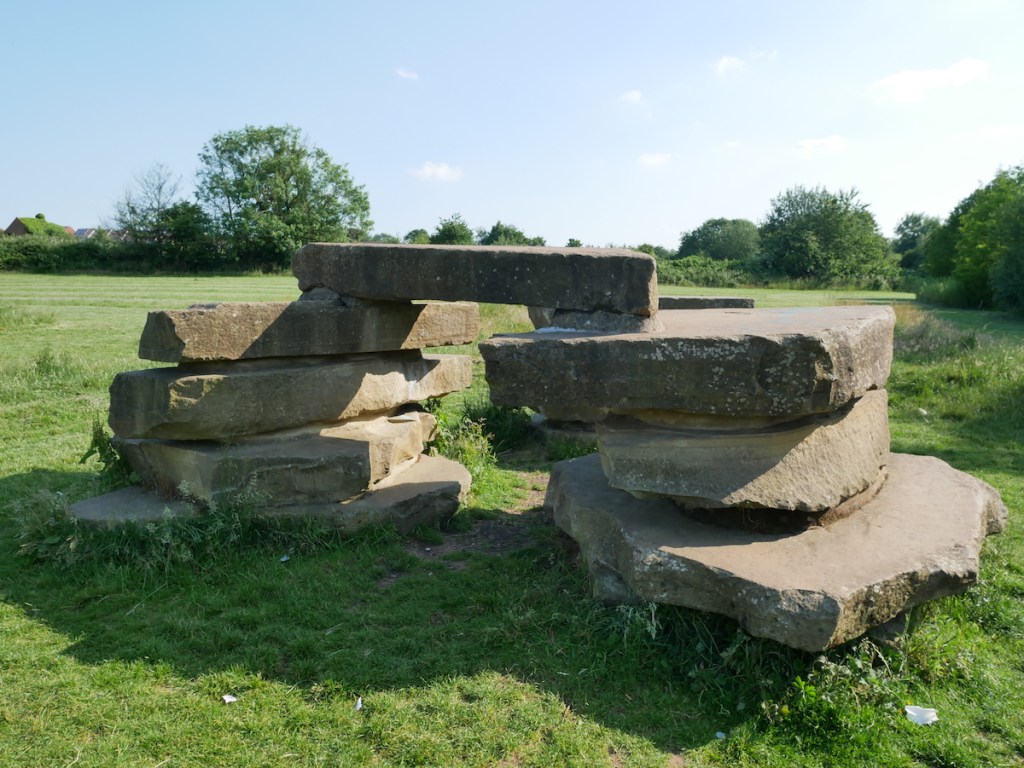
The Stirchley Megalith
The Hazelwell Millstone
The Blue Shipping Container
The Rooftops of Little London
The Moustache Cat
And many more!
To take part please email: hipkissandgraney@outlook.com
We’ll meet at the mysterious neolithic structure in Hazelwell Park at 12:45pm to begin adventure at 1pm.
Meet here.
//SOCIAL DISTANCING//
Bring facemasks, we will provide sanitizer and creative resources.
To ensure participants health we will be capping the number of participants at 6.
Please note that while this isn’t a children’s workshop, children are welcome if accompanied by an adult.
//THE STIRCHLEY TAPESTRY//
This is a community art project, and we want to work with everyone- no previous art and drawing experience needed. This will be a fun and relaxing daytime art workshop with some really wonderful outcomes that you are part of!
This is one of a series of Hipkiss and Graney community workshops for The Stirchley Tapestry. During these creative workshops we will create sustainable and fairer future communities through monochromatic drawings.
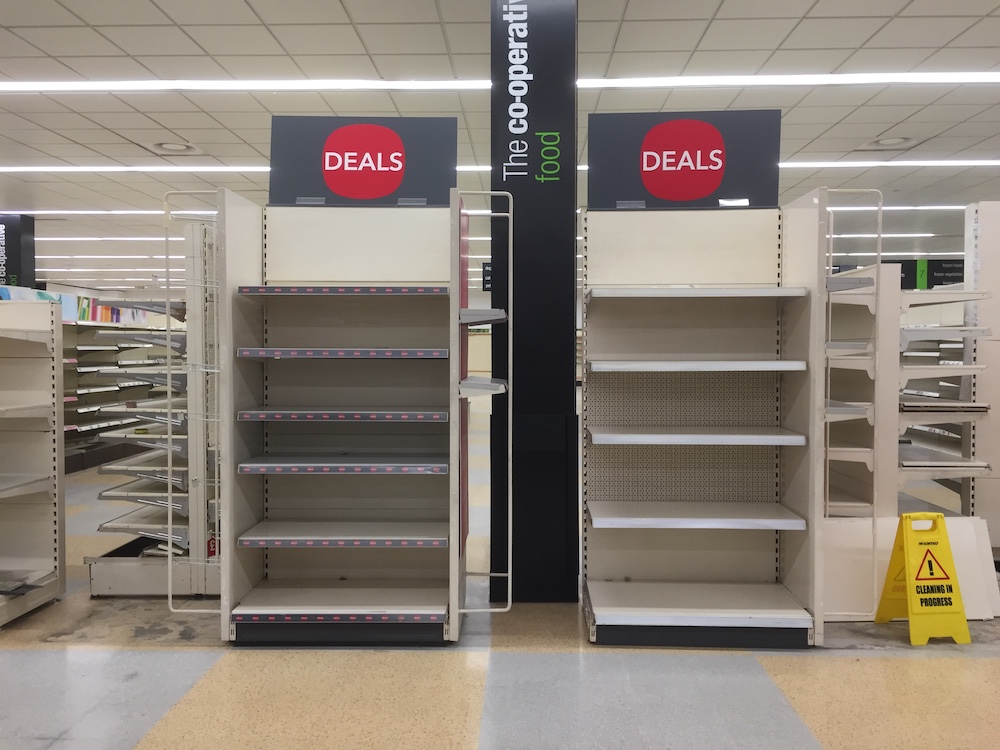
Back in January, our local Stirchley Co-op supermarket closed forever; a Coop had been on that particular site for 106 years and in the Stirchley, Birmingham, area for 145 years.
Several Walkspace members planned a processional last walk up and down the aisles to say goodbye properly, and also see what lay behind the layers of goods to the emerging skeleton of the store. The closing of this Co-op was no small deal to the local community and about 100 other people wanted to join them.
Fast forward to July, and this week, delayed by a global pandemic and subsequent lockdown, a Morrison’s opened on the site.
It was finally time to write up that doomed walk, lay Stirchley’s greatest ever retail character to rest and tell the story of what happened on the Co-op’s last day.
The full walk report is a photo essay memorial. It lives here as part of a series of local walks called ‘Perambulate With Me’. Here’s an excerpt:
On 25th January 2020, the Stirchley Co-op sadly closed forever. The urge to see it one last time was strong. It was a strange feeling, after all it was just a shop. And yet… this was the supermarket I had grown up with in the 1970s-80s and returned to in the 2000s-10s.
The Stirchley Co-op’s last day was a Saturday and there wasn’t much shopping to be done anymore. The shelves had been slowly emptying over the previous weeks and whole sections of the store were now being closed off… Locals were tweeting about the ‘apocalyptic scenes’ as if the end were nigh. Given what was to come, it was prescient.
Fellow Stirchley resident and psychogeographer Andy Howlett and I decided to walk the Co-op.
To: “mournfully walk up and down the empty isles, browsing instead the infrastructure that remains”.
To embrace: “The stark angles of empty metal shelving! The receding vistas of shopper-free aisles! The rhythm of its layout and walkways! The final beeps of the disappearing tills! The barren promotional structures offering no deals!”
More Stirchley-based deep walk explorations are coming soon, which take our community-sourced lockdown ‘Map of Noticed Things’ as the raw material. See the map and read about the project here: Mapping Stirchley.
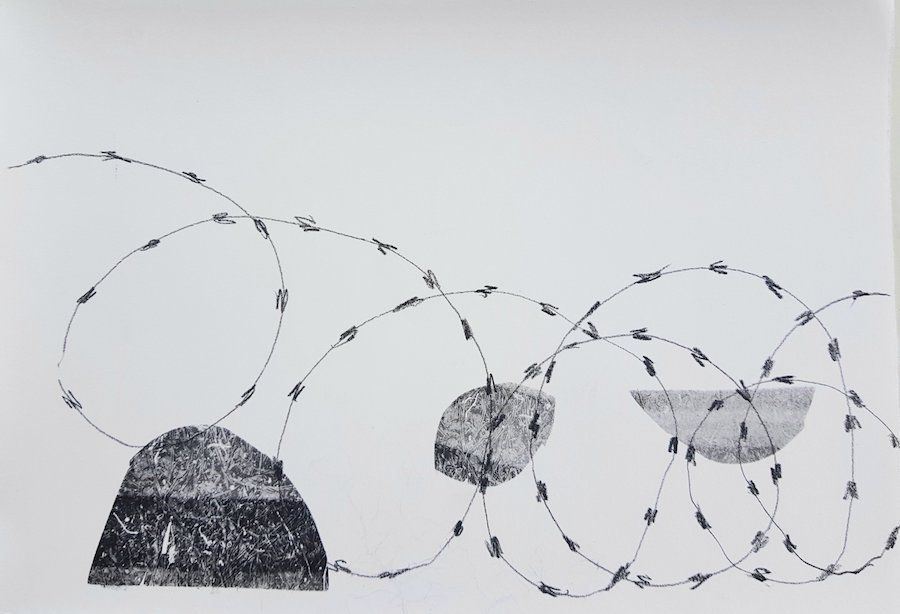
These prints were in response to boundaries. I have been thinking a lot recently about visible and invisible boundaries. I chose the walk as I knew it would involve boundaries, I have begun walking the perimeter of Kidderminster, (the Edgelands) this takes me around the edges of industrial estates, pumping stations, sewage works, all those unaesthetic but necessary industries that keep our communities working so well. Covid has also thrown up new boundaries, most of these though are not so obvious, personal space boundaries mainly and different peoples’ interpretations of what is acceptable and what isn’t.
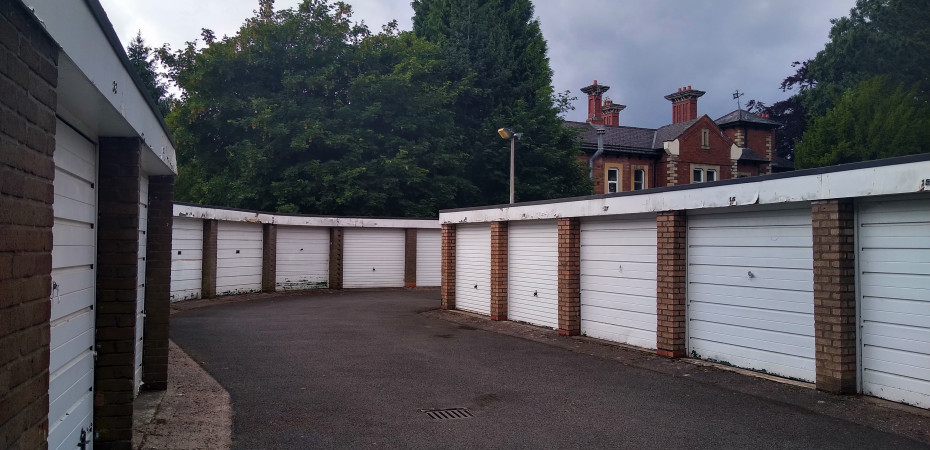
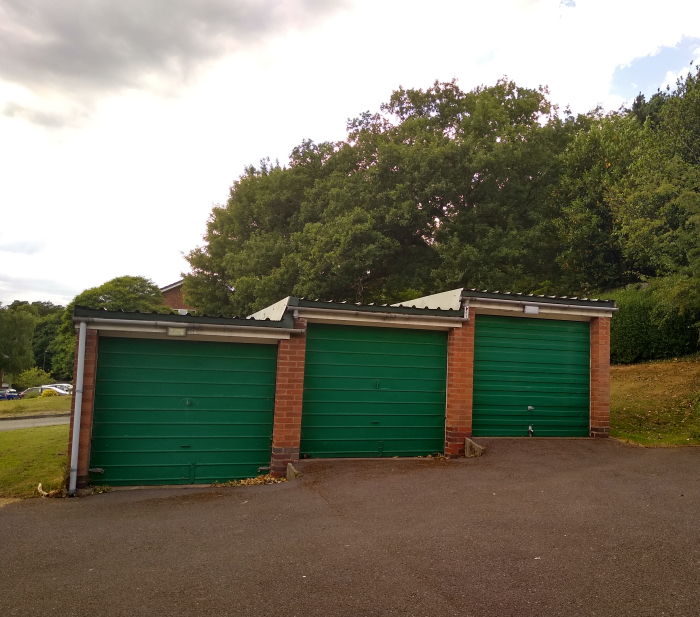
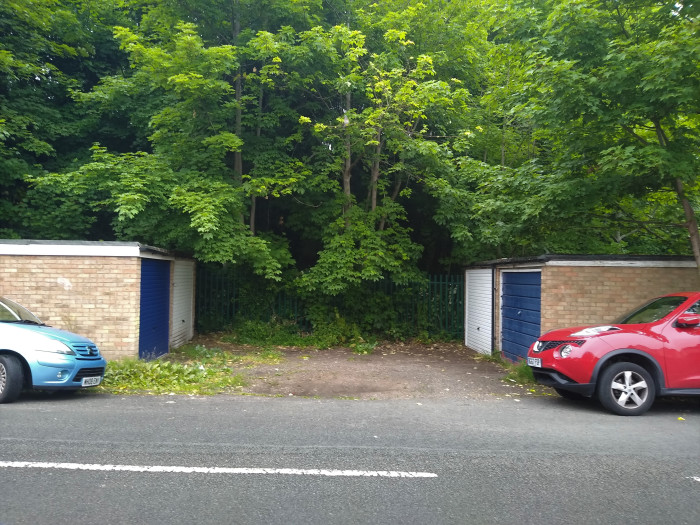
Urban conservationist Kat Pearson has been using her lockdown walks “to explore the housing estates of Stirchley, Kings Heath, Bournville and Selly Park […] looking at how cars, and especially garage blocks, are integrated into these estates”. The result are some fantastic photos and observations collected as Lockdown Lockups.
As she says, many of these are becoming run-down and disused, which as someone who lives on a road constantly jammed with parked cars surprises me. But then motorcar culture was never logical.
Focussing on mundane structures to see how peculiar they are is a great thing.
Never in a million years did I think I’d be going on a tour of my local postcode, but lockdown has changed all that. Various Stirchley-based walkers – and I’m sure it’s not just us – have developed a talent for ‘extreme noticing’ on our mandated daily lockdown walks throughout March to May. And the result has been laid out on a map – nearly 120 pins documented so far of the weird, transitory, historical, natural, lyrical and creative.
For yesterday’s Summer Solstice I suggested using the map to generate a walk, ending at a high ground sunset point for some beers. We each picked an element on the map that we wanted to visit and from this I formed a basic tour:
Meet: Bournville train station 8.45pm. Hazelwell Park/Allotments for sunset 9.34pm. Solstice 10.43pm. BYOB.
Points of interest from the map:
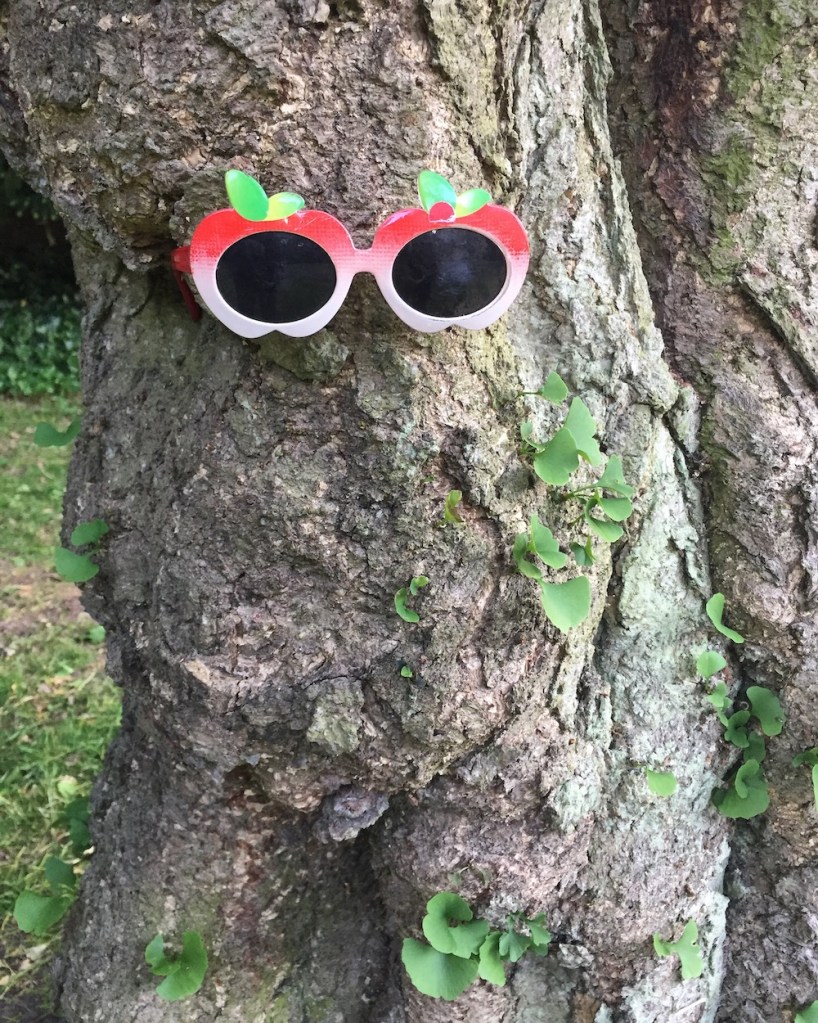
ginkgo biloba tree wearing sunglasses
rogue poplar
I sound my barbaric yawp over the roofs of Little London
bindweed curtain
hall of mirrors door
double-trunked tree
experimental caged garden
hidden cricket club
Five of us came: four Walkspacers from Stirchley and a guest from the Selly Oak/Bournville borders. We had to make a fast pace to get to the sunset point but the cloud cover meant it wasn’t crucial to be in situ for the actual horizon drop.
The gingko biloba tree in Cadbury’s Ladies Rec had lost its jaunty Banana Splits sunglasses since it was pinned. But it was no matter. The tree is remarkable in its own right for its smooth, fan-shaped leaves with no spines. It’s also known as the ‘maidenhair tree’ – it’s basically a 20m high houseplant. Local spoon carver JoJo Wood on the high street tipped me off as to the three gingko biloba trees in the area and I’m now a big fan.
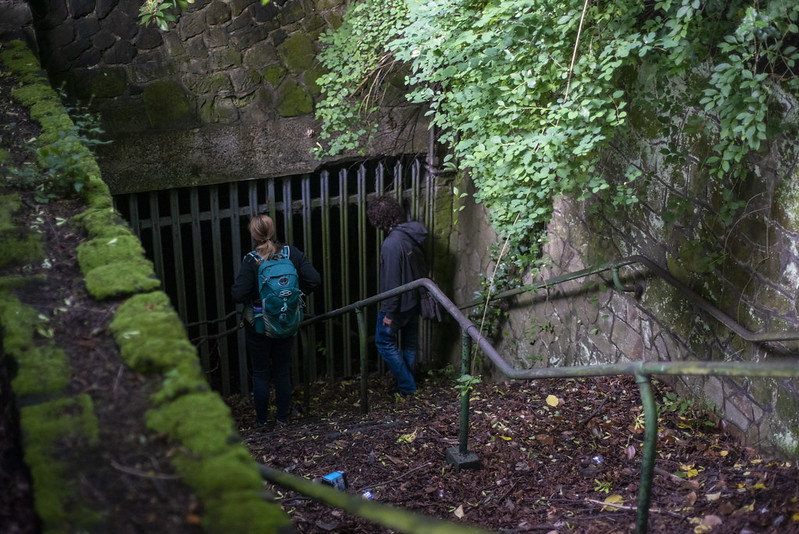
On the way to our next map point, we stopped briefly at the ‘Entrance to hell’. The path to it is getting very overgrown so it is becoming more hidden over time. It was less scary to visit in the daylight of night.
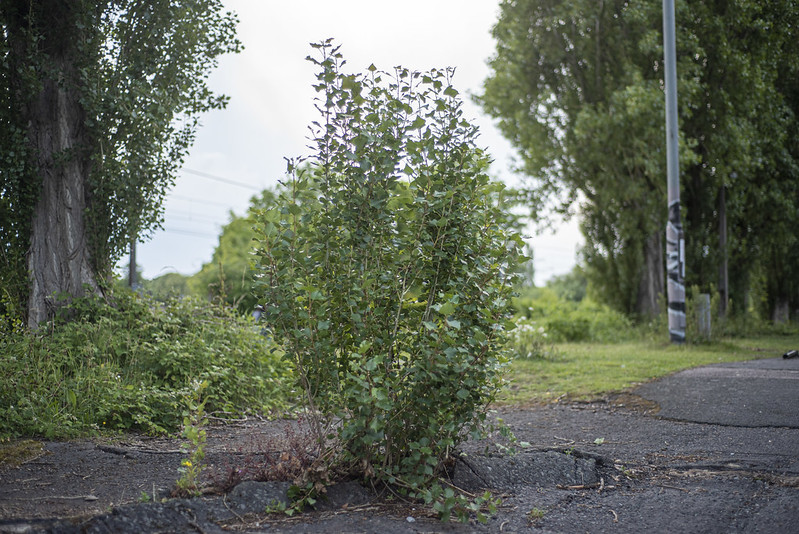
The rogue poplar on the Stirchley side of the canal by Bournville Lane’s rail bridge. It’s a rebel teen that has stepped outside of the strict line of parental poplars, showing little regard for our human tarmacking and popping up right in the middle of a pathway like a perfect Fuck You to both trees and people. And that’s why Andy liked it enough to put it on the map.
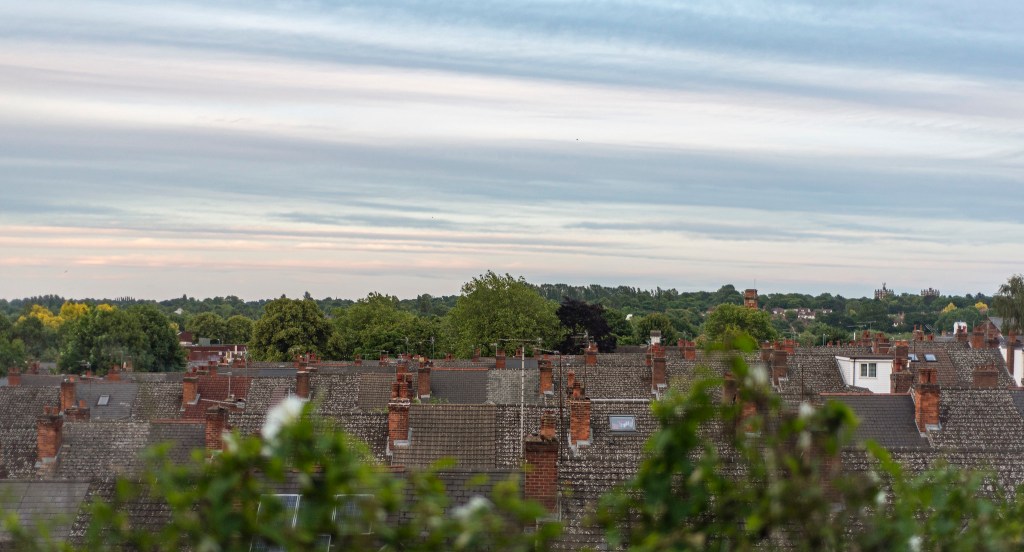
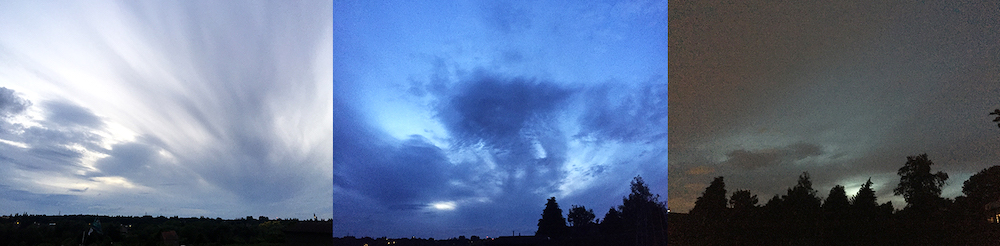
In the same spot you can look over the rooftops of Little London and sound your barbaric YAWP over Stirchley, as Walt Whitman might have said, had he lived on Oxford, Regent or Bond Street in B30. The Solstice sky was softly striped. I YAWPED. It felt good. No one joined me or I would perhaps have YAWPED more barbarically.
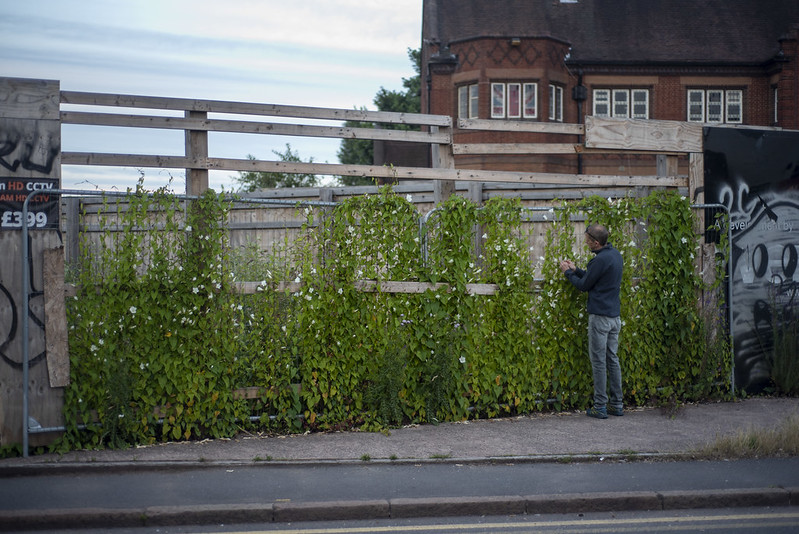
The bindweed curtain had sadly shut up its array of morning glories for the evening, but hiding behind it were some yellow evening primroses, freshly popped at dusk albeit born to blush unseen and waste their fragrant sweetness on the polluted high street air.
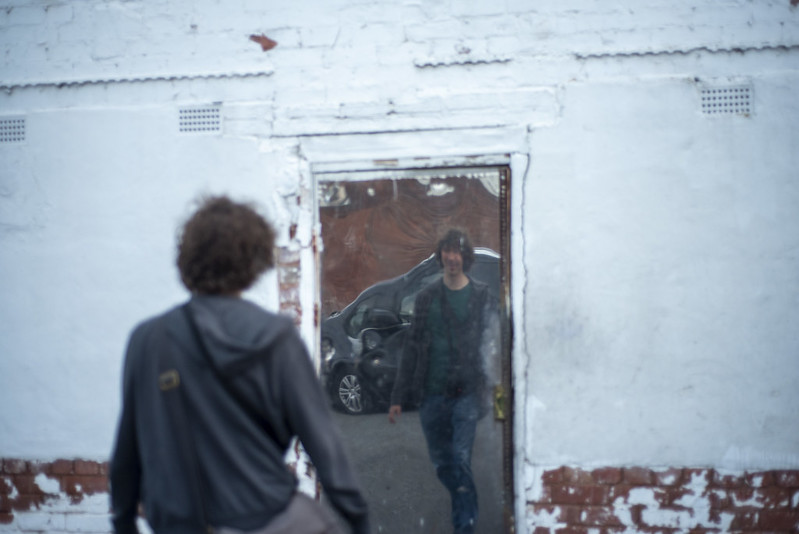
If there was one tourist photo opportunity on this tour, it was the hall of mirrors door. In a car park off the main Pershore Road, we all took turns at elongating our bodies for amusement.
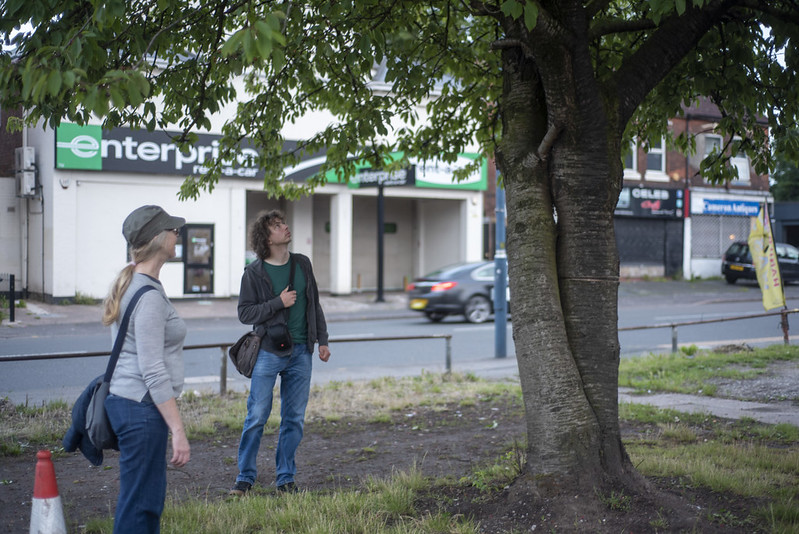
Not only is this a beautiful (ornamental cherry?) tree when in bloom but it has a conjoined double trunk. I had to look this up – it’s called inosculation, or more colloquially ‘husband and wife’ trees, or ‘marriage trees’. Some forms can be quite suggestive.
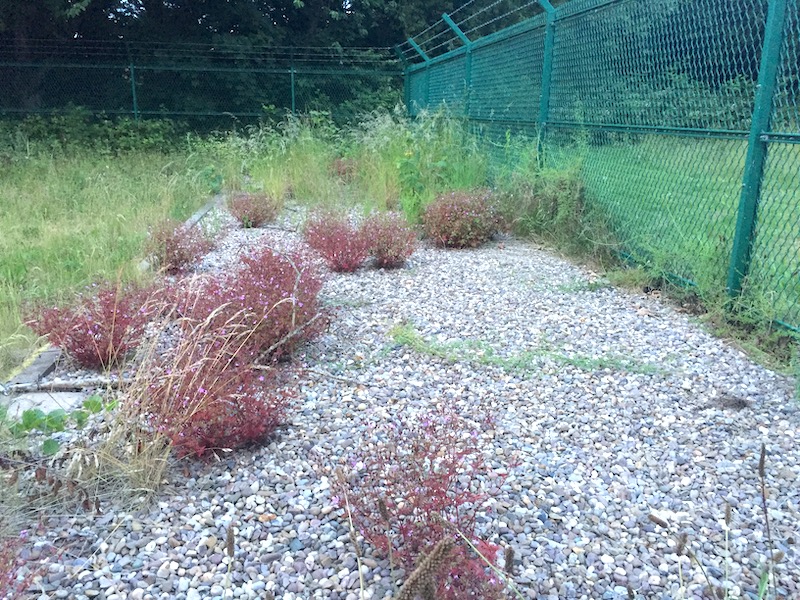
The ‘experimental caged garden’ is busy with stinking Bob, aka herb robert geraniums, and also the beginnings of a tree. I think there is a large flood defence system under here, put in to stop the Pershore, Cartland and Ripple Road floods. I’m guessing it drains into the River Rea just behind it. I like how the barbed wire cage frames the space and makes it a ‘thing’ to look at.
We didn’t have time to get to the hidden cricket club – it would have been locked and inaccessible anyway. With sunset imminent, we bombed up to Hazelwell Park to see not the sunset but some beautiful partially lit skies. The photos run from the sunset at 9.34pm to the solstice – the moment the sun stands still – at 10.43pm.
I, for one, am reluctant to let the sun leave us. There is always a moment of melancholy for me after midsummer. But instead we performed our Solstice rituals, not knowingly or formally but as if it is in our pagan DNA – to light a candle, sit in a loose circle, exchange stories (of sage highs) and poems (of YAWPS in Walt Whitman’s Verse 52), to drink and make merry, and hail the solstice.
After months of lockdown, this was like an emergence back into the world of celebration. And mother nature, fecund, abundant, looked down and saw it that it was good.
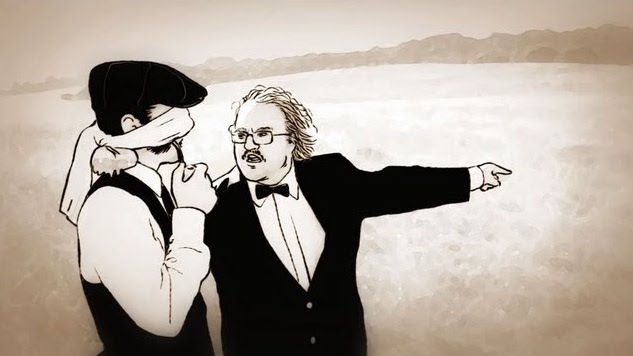
While chatting about walking the other day, as we do, Fiona mentioned something she’d read in Shane O’Mara’s excellent book In Praise Of Walking. Humans are, apparently, incapable of walking in straight lines when blindfolded or otherwise prevented from seeing landmarks.
Participants were asked to walk either in a large and dense forest or in the Sahara desert. Their task was simple: to walk in a straight line for a minimum set period, usually a few hours. Some walked in the day, others at night. All wore GPS tracking devices. While walking without reliable visual cues in the fog, or with heavy cloud-cover, the subjects regularly veered left or right, and eventually crossed the path they had been on. In clear daylight, they sometimes veered from a straight path but neither systematically walked in circles nor repeatedly crossed their own path. The result was the same in moonlight.
O’Mara, p84
Here’s another account of the phenomena, from Robert Krulwich and NPR.
The idea that walkers might drift a bit is fine, but that you might go in actual circles seems ridiculous. It’s evidently true though, so why this reaction?
Did our ancestors find this phenomena weird? Did nomadic tribes just abandon the very notion of going for a walk in the fog? Does this happen with people who have lived for generations in deserts and forests or just with interlopers?
Do we find it weird because in an urban environment there are always visual cues to guide us? We might not know exactly where we are but we know what direction we’re going in, most of the time.
Maybe straight walking is an anomaly, a relatively recent invention of the Romans? In Watling Street, John Higgs talks about how, before the Romans, British roads meandered and weaved around the physicality of the landscape. Maybe we didn’t need the ability to navigate because the land would get us there eventually. It was only when we imposed our lines and made the land a problem to be solved that we started getting lost without them.
I don’t know, and that makes it really interesting.
Have you made a piece of work, walking or otherwise, in response to the Coronavirus pandemic? As the world suddenly changed a lot of us found our art practice was a vital way to make sense of it all and the National Academy of Sciences in the USA is looking to archive this hopefully unique moment. You just need to fill out a short form with a link to your work and they’ll do the rest.
I’d encourage people to take their criteria as a broad invitation, not a narrow “proper artists only” filter. Creative responses that seem small, indulgent or insignificant are often the most interesting in a situation like this, coming as they do from the gut.






 Walkspace
