Categories
Guest Posts Inspiration Reviews

This Albion – a book extract

An invitation landed in the Walkspace inbox that was too good to pass up:

“I’m writing to bring your attention to an event – the launch of a pamphlet of writing about walking – that might be of some interest to your members. I’m told there aren’t many tickets left, but there’ll doubtless be walk-ups.”

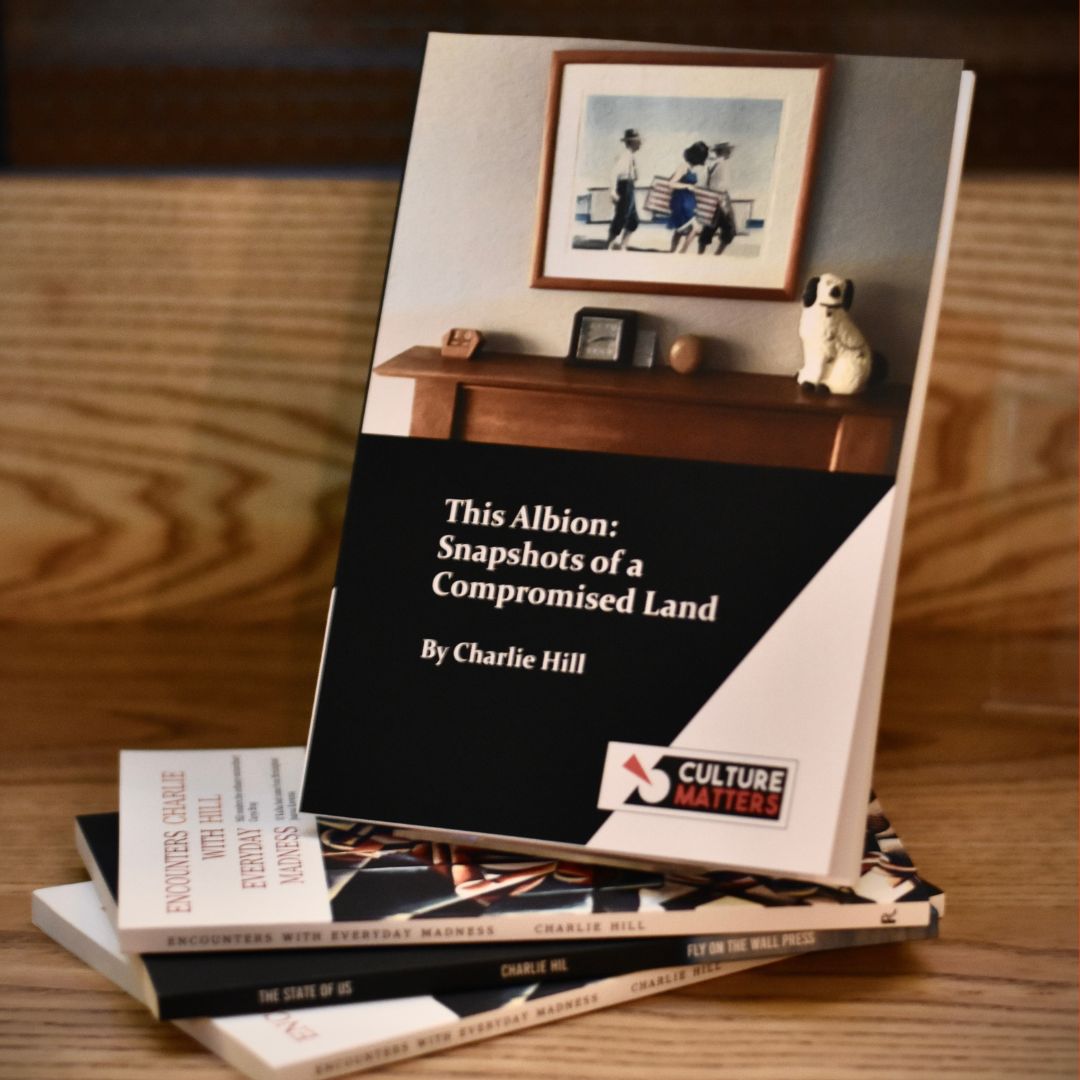
The event was hosted by Voce Books and the pamphlet was “This Albion: Snapshots of a Compromised Land” by Charlie Hill, an author once described as Birmingham’s answer to Franz Kafka. Curiosity piqued, a group of us headed out to Digbeth on a bitter November evening to see what Birmingham’s Kafka had to say about walking.

In the last two years Digbeth has become a hub of Birmingham’s literary scene with the arrival of Voce Books and the founding of Floodgate Press. Between them these two have done invaluable work in championing and showcasing homegrown talent, revealing just how much great writing there is going on in the city. Stepping into the railway arches that house Kilder Bar for one of Voce’s events, you can feel the buzz in the air, and this night is no different.

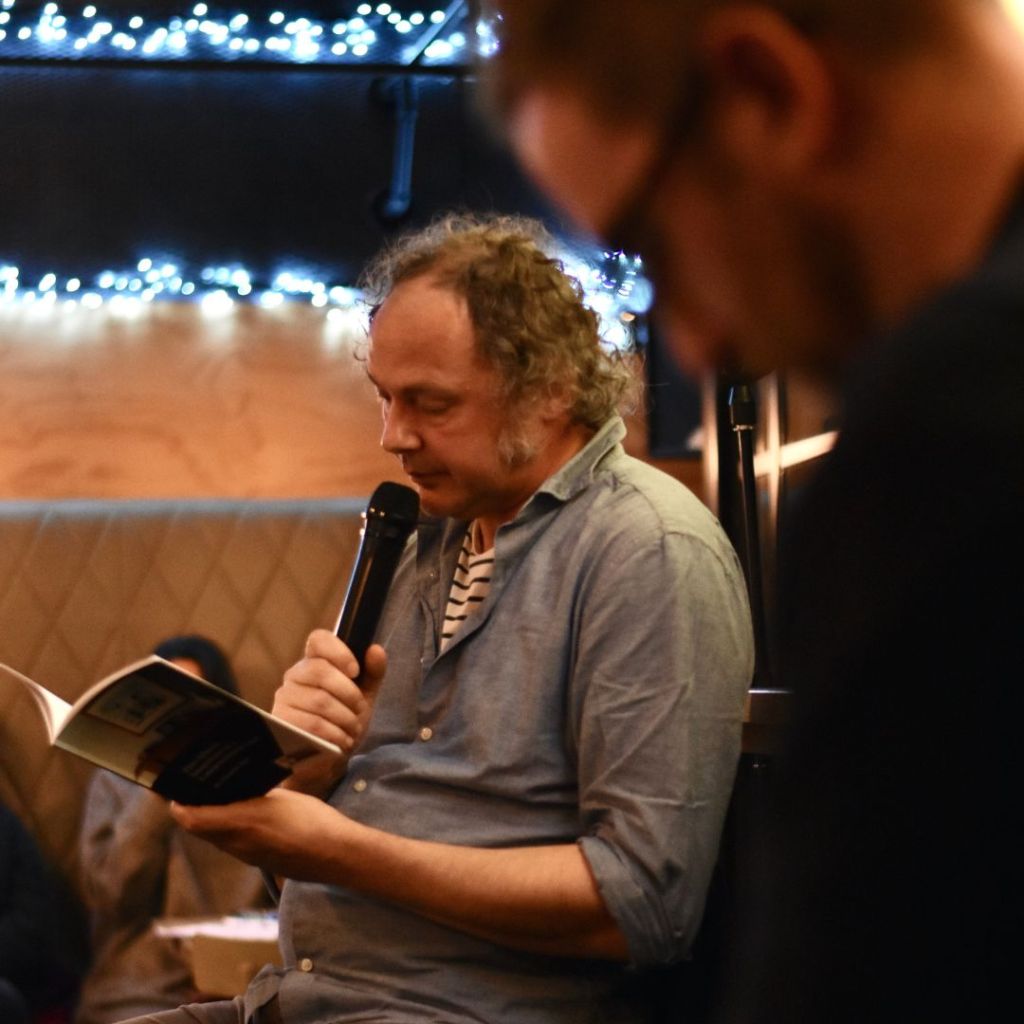
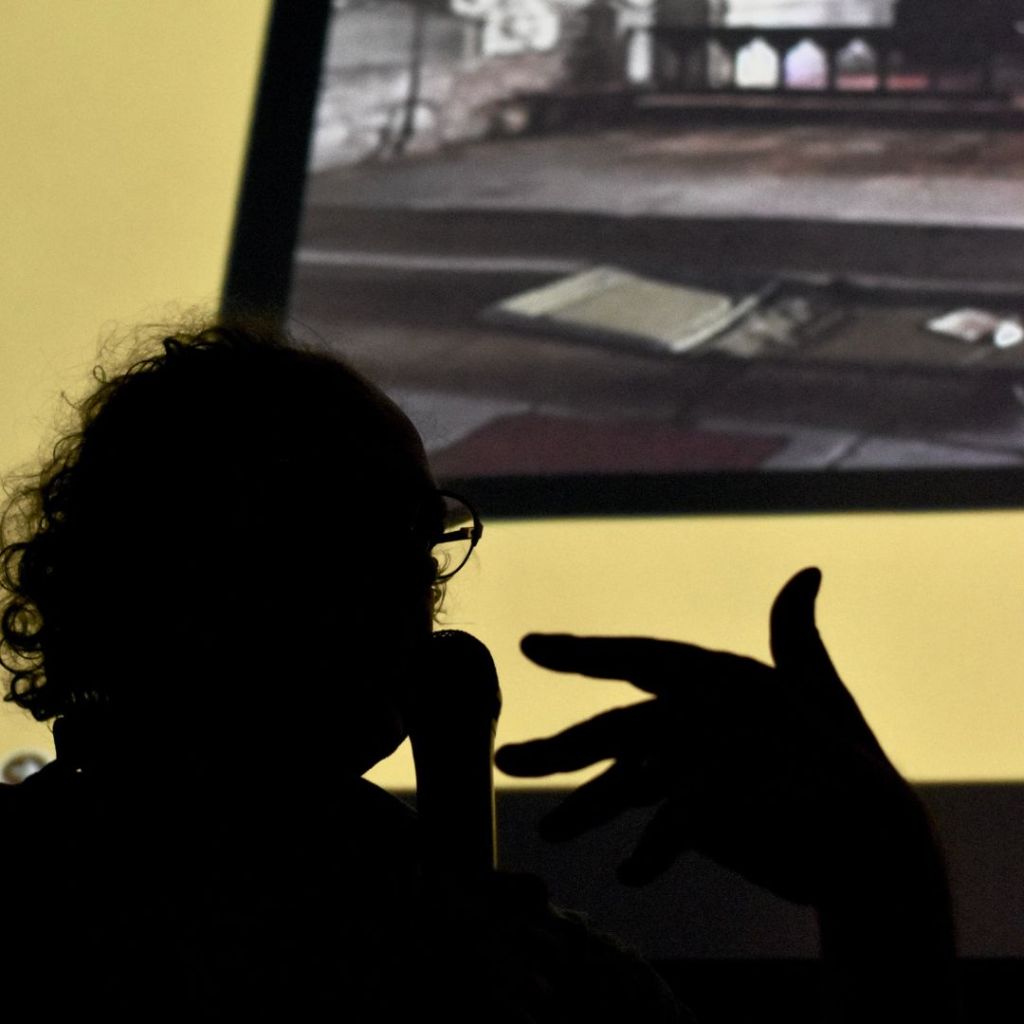
Another sell-out event, we fight our way to the bar and then take the only seats left, right at the front, within sniffing distance of the author. The night unfolds as a casual back-and-forth between Hill and Voce Books co-owner Clive Judd, riffing off some of the themes explored in the book such as authenticity, “champing” (church camping), the joy of Premier Inns and the overuse of the term “edgelands” in contemporary place-writing. Photos from the book appear onscreen behind them; literal snapshots from Hill’s travels, demonstrating his eye for the absurd within the mundane.
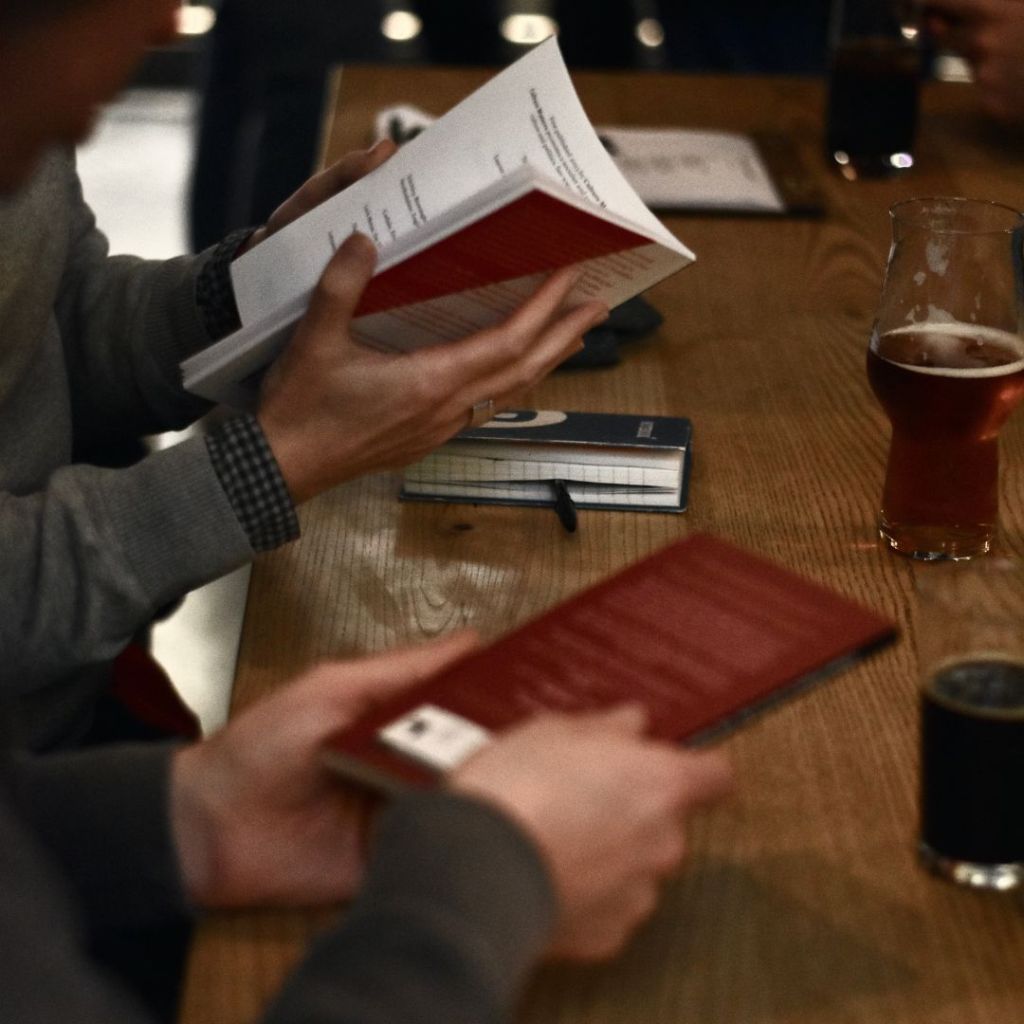
The book itself is an offbeat travelogue and part memoir that is by turns poignant, sardonic, world-weary and compassionate. Over the course of its modest 47 pages we visit 21 locations across England, Wales and Scotland and are treated to Hill’s observations and musings about second-hand bookshops, old pubs, Victorian cemeteries and the etiquette of countryside walking. His writing is direct and concise, sometimes very funny and he has a way of crafting a final sentence that reframes all that’s come before, landing a real emotional punch.

With the subtitle “Snapshots of a Compromised Land” this easily could have been a lot of sneering from another grumpy old man but mercifully that’s not the case. Don’t get me wrong, Charlie Hill IS a grumpy old man but his grumpiness stems from a long-simmering rage and sadness at the injustices and indignities of a land riven by inequality. There may not be much hope in these snapshots but there is plenty of humanity.

Charlie kindly shared with us this extract about the Birmingham to Worcester canal to give you a flavour of the work. If you like what you read do consider buying a copy through the link below.

Birmingham to Worcester Canal

The canals of Birmingham – with their kingfishers and railway lines, their willow herb and jays and graffiti – exist outside the less obviously mutable suburbs they pass through: underneath too; the banks of the towpath are steep and dark and when you re-enter the city, you emerge blinking with surprise at where you are, and how different the light seems. 

There’s a directness to walking the canals. Although they turn corners and curve, they feel like 18th century ley lines connecting factory yards, parks, churches, and other areas of communal ritual. The Birmingham to Worcester canal is like this. From the city centre it goes out past the commercial junctions of Five Ways, through the student accommodation and apple trees of the Vale, past the university itself to Bournville, where the station is done out in Cadbury purple and the air smells of chocolate. You might see egrets here.

Just beyond Kings Norton is Wast Hills tunnel. It’s a mile and a half long. Kings Norton is a parish that used to be in Worcestershire, outside the city’s boundaries. There is no towpath through the tunnel and walkers are sent up and onto the Hawkesley estate, in the overground outskirts of the suburbs. Once I tried to find the other end of the tunnel, setting off past a canalside cottage and a large secondary school in the direction a heron might fly.
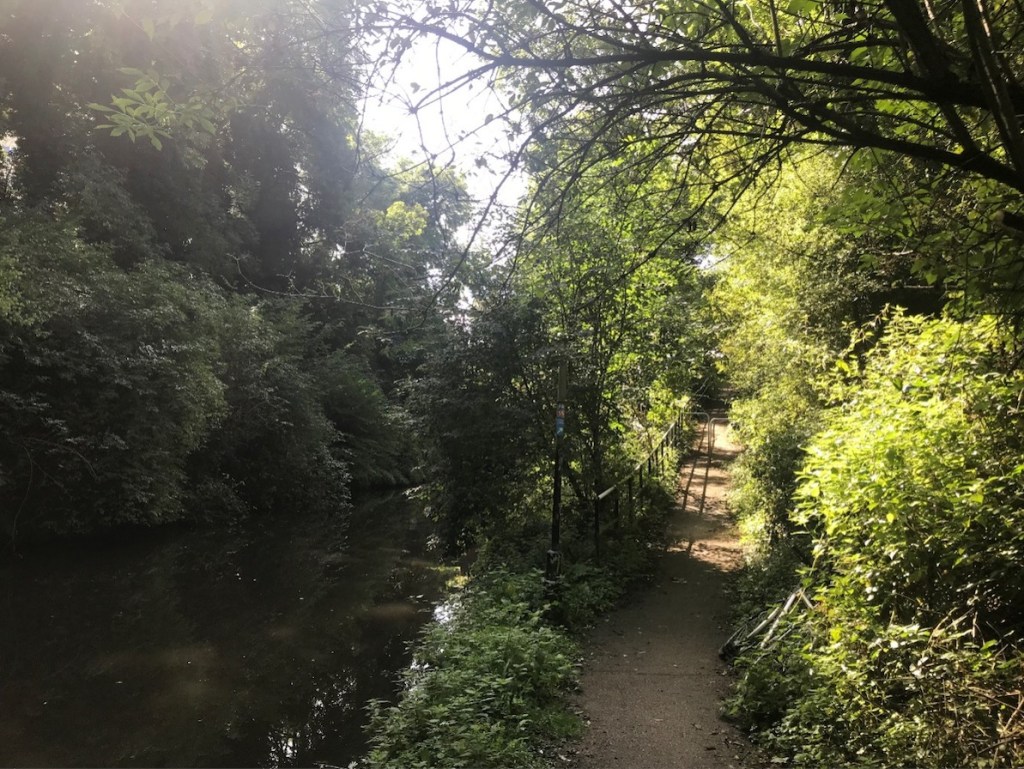
Photo © Charlie Hill

I didn’t find it. Roads sweep through Hawkesley but it’s warren-like in places too, with shortcuts as criss-crossed as the towpaths seem straight. There are discarded shopping trollies in this closely-knit patchwork of social housing, twisting alleyways and shin-high picket fences, there are desire paths, and deep scarlet haws in confusions of undergrowth. It’s easy to project, to romanticise this anti-burb, this liminal space, this neither-one-thing-nor-the-other-ness, and that of the waterway that has created an underworld beneath the estate; the entrances to the tunnel are called portals, and I found Yarrow Drive led to Harebell Gardens, which led to Bargehorse Walk. But it’s worth remembering that the canal was cut into the earth like an industrial wound, by working people who died in its cutting.

Extract from This Albion: Snapshots of a Compromised Land © Charlie Hill, 2024

This Albion is available to buy at Culture Matters. Charlie Hill’s other published works can be browsed on his website.

About Charlie

Charlie Hill is an internationally-acclaimed author from Birmingham. He has written long and short form memoir, and contemporary, historical and experimental fiction. He has been described by Natalie Haynes as ‘the chronicler Birmingham needs’ and compared by his fellow writers to KafkaBeckett and Georges M Perec. His second collection of short stories – Encounters With Everyday Madness – was shortlisted for the 2024 Edge Hill Prize.
Categories
Posts Walk Reports Walkspace Erratics

Walk Report: Summer Solstice Erratic Stone Circle

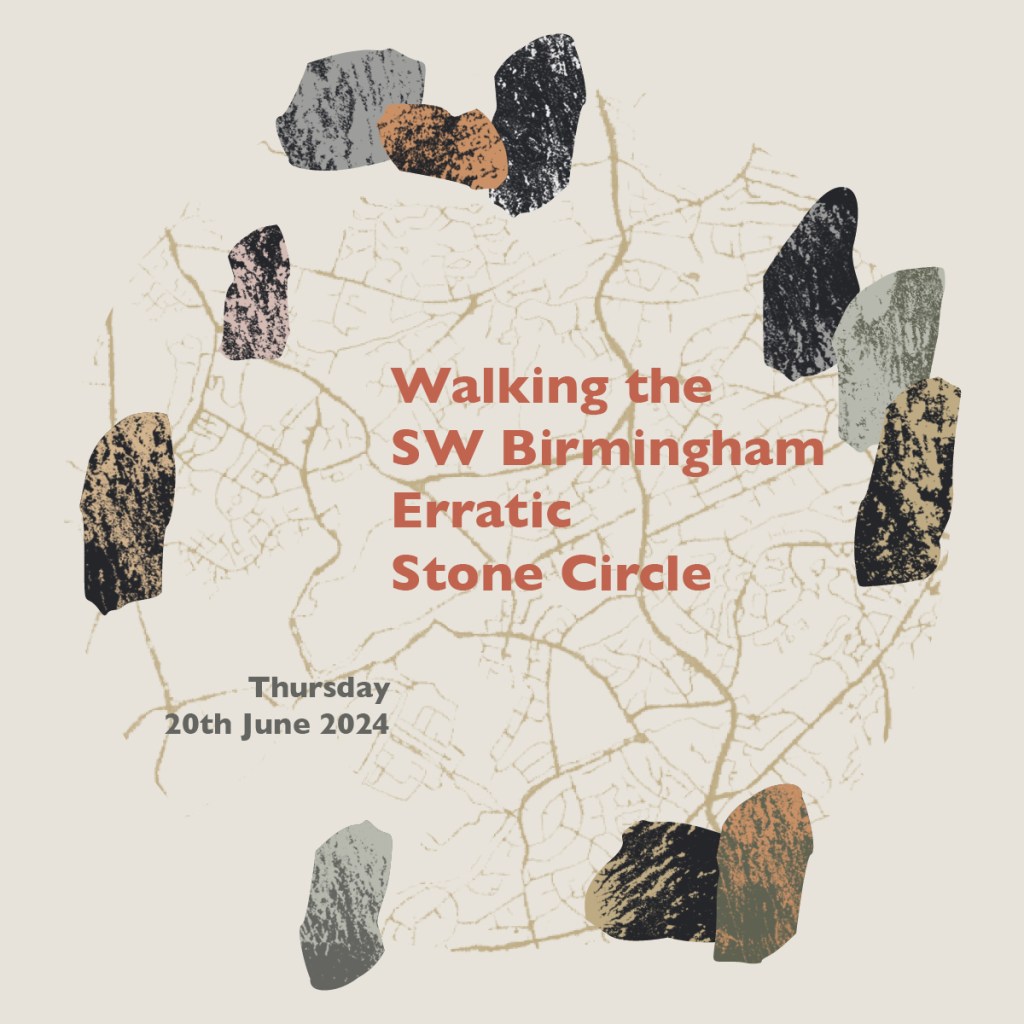
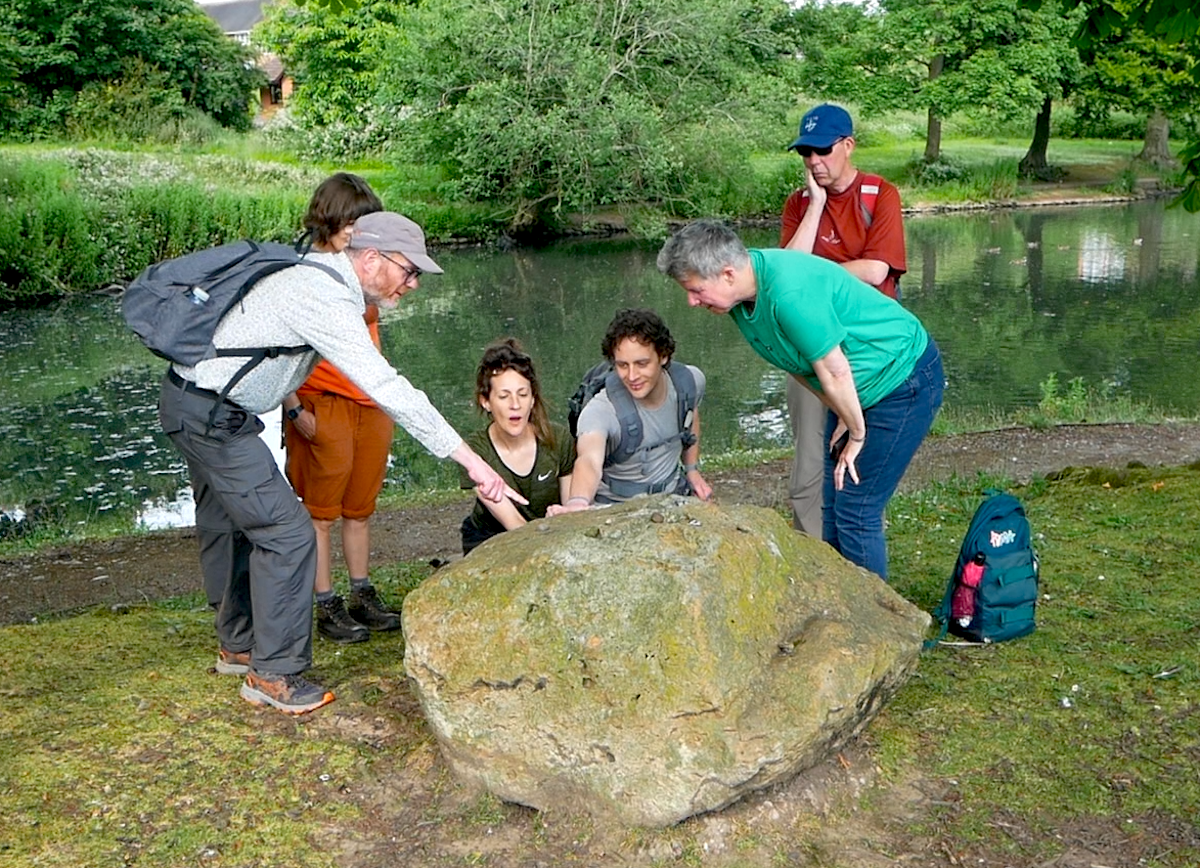
To celebrate the Summer Solstice we walked a new stone circle into existence. The West Midlands may not be as blessed with megalithic monuments as other parts of the country but we DO have an abundance of another type of ancient rock: the glacial erratics which travelled here from North Wales on an ice sheet.
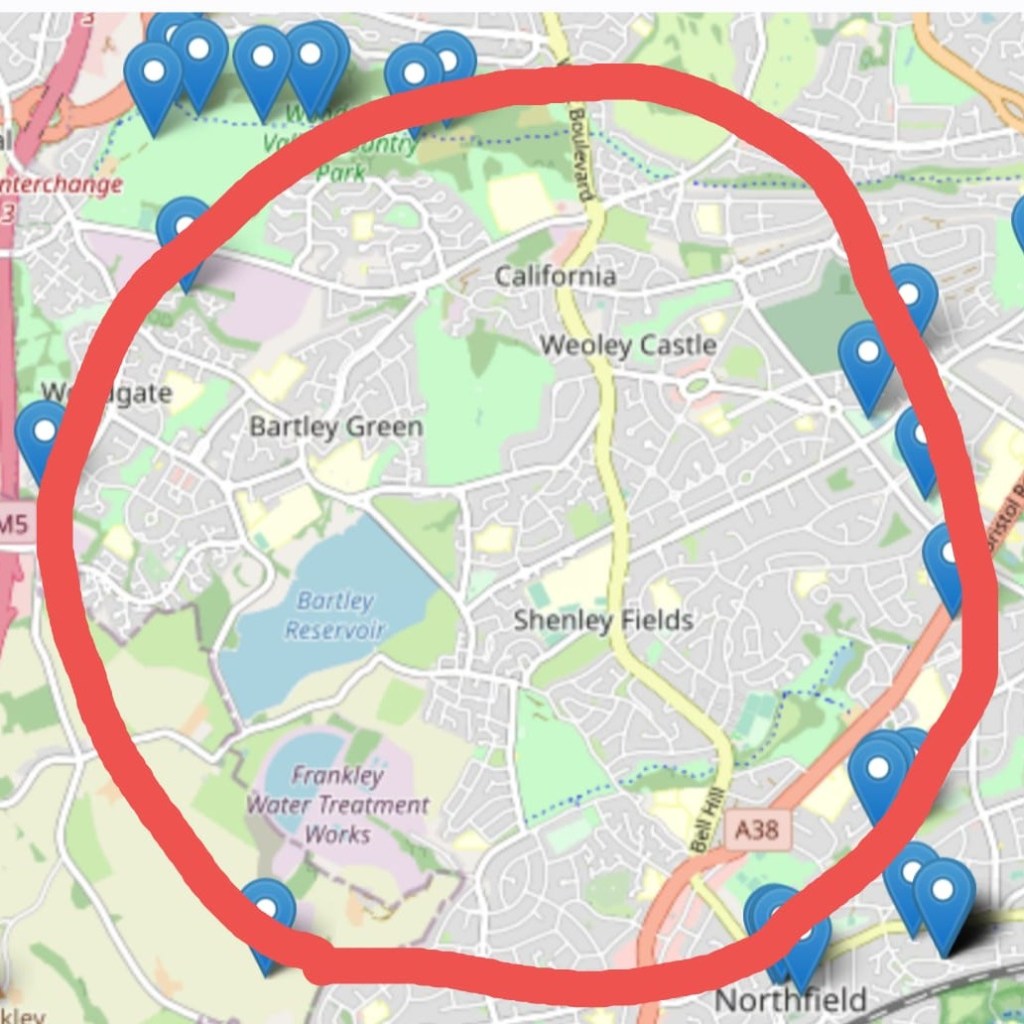
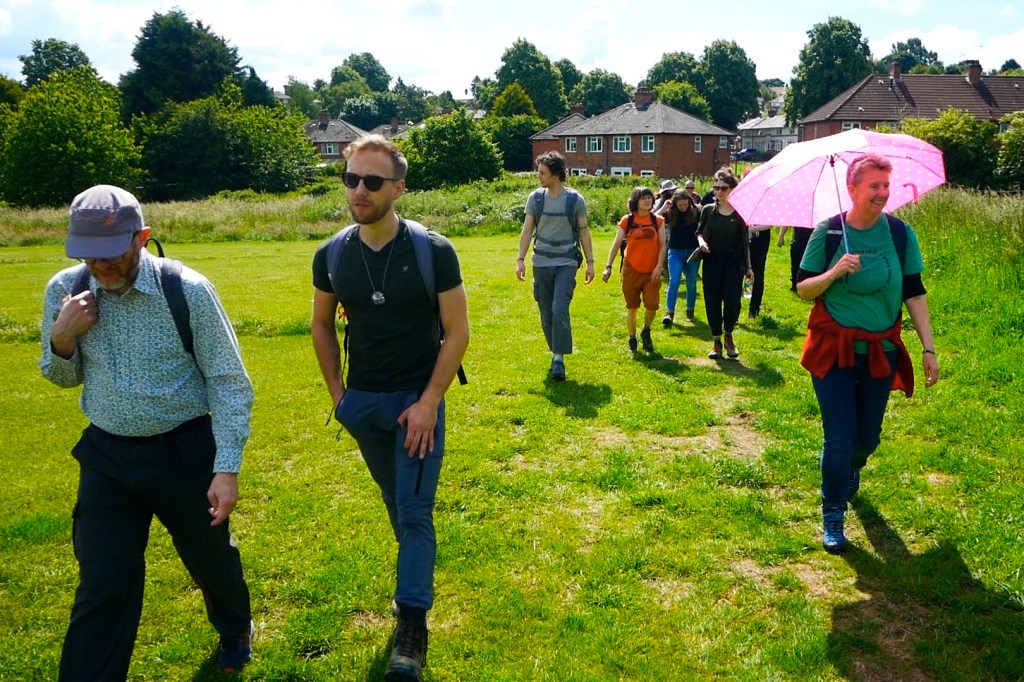
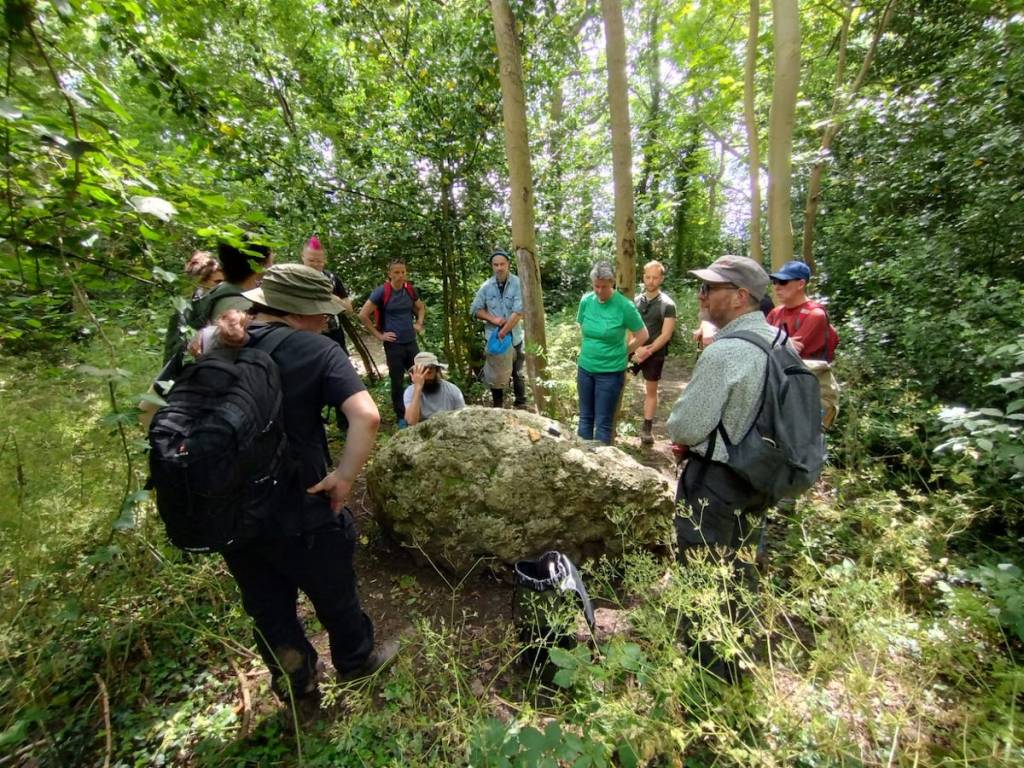
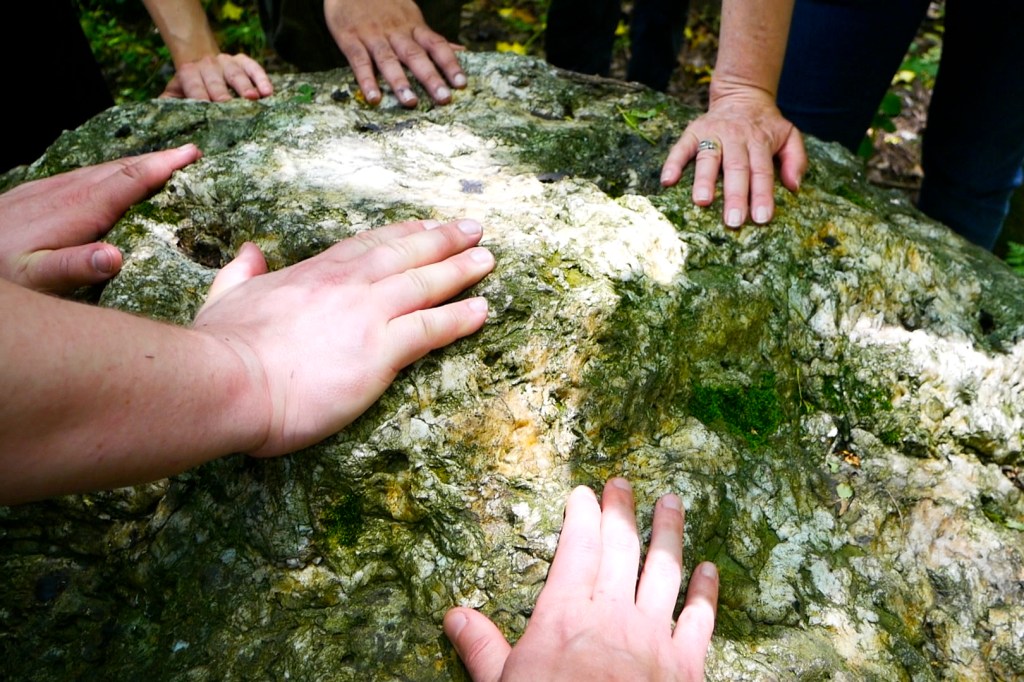
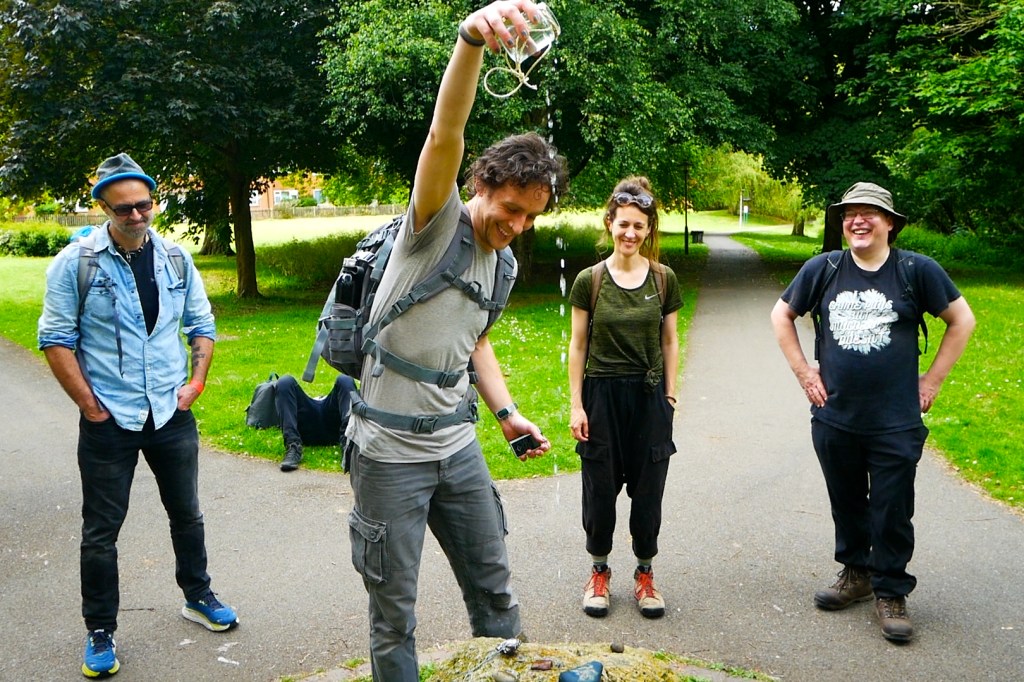
Thanks to the mapping efforts of the Erratics Project we can see that several of these boulders can be joined up in a giant circle. In order to activate this newly discovered ancient monument (several hundred thousand years older than Stonehenge), we walked the entire 13 mile circuit, anointed each boulder and took turns reading aloud The Stone Monologues by Alyson Hallett. We were honoured to be joined by Alyson herself who took a detour on her journey back from Scotland to spend the day with us.
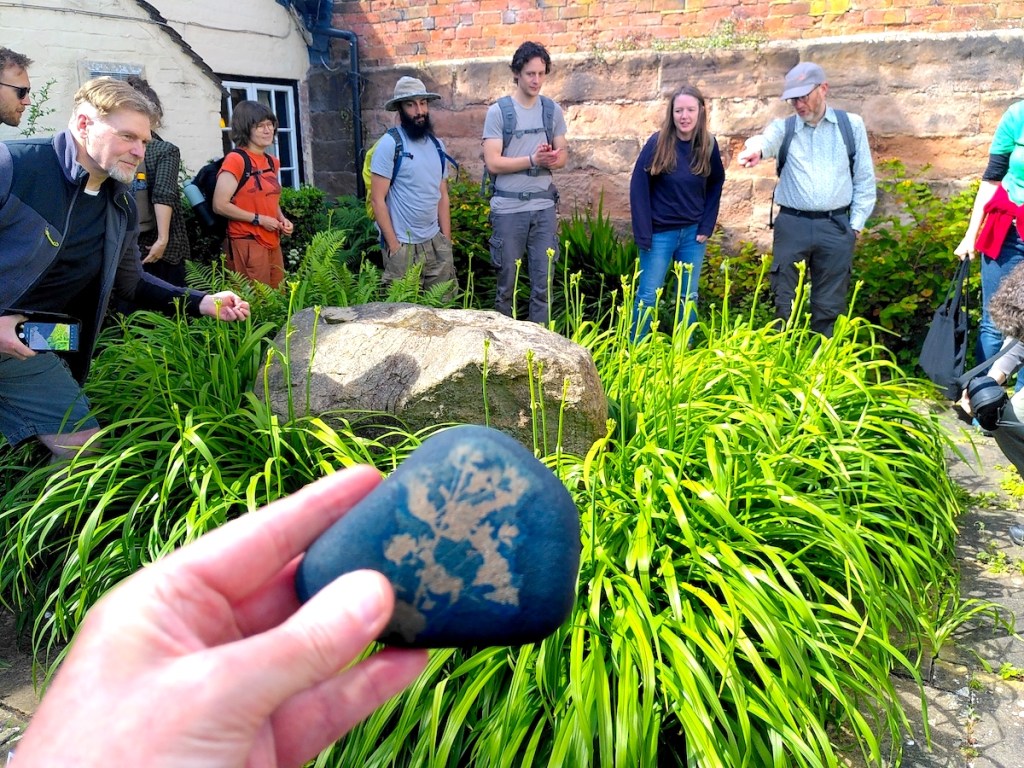
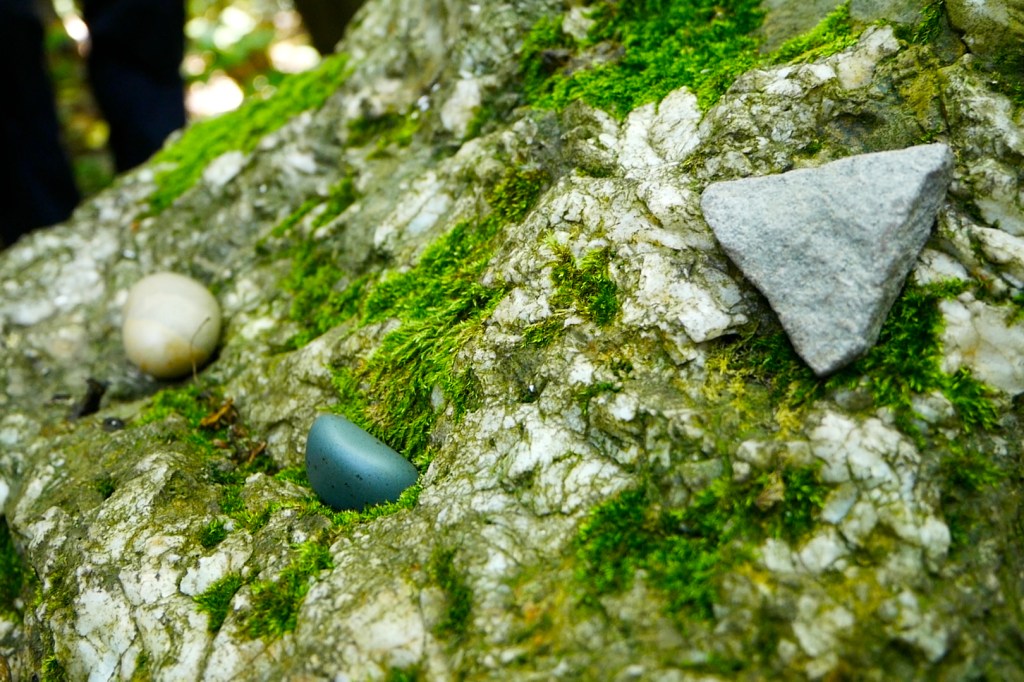
The walk started and finished at The Great Stone Inn in Northfield. This historic pub is custodian of not one but two erratic boulders and the landlady kindly granted us access to the 17th Century village pound which contains the titular Great Stone itself. Participants were asked to bring along a pocket-sized stone of their own and we opened proceedings by placing the stones at our feet, creating a miniature stone circle around the Great Stone erratic.

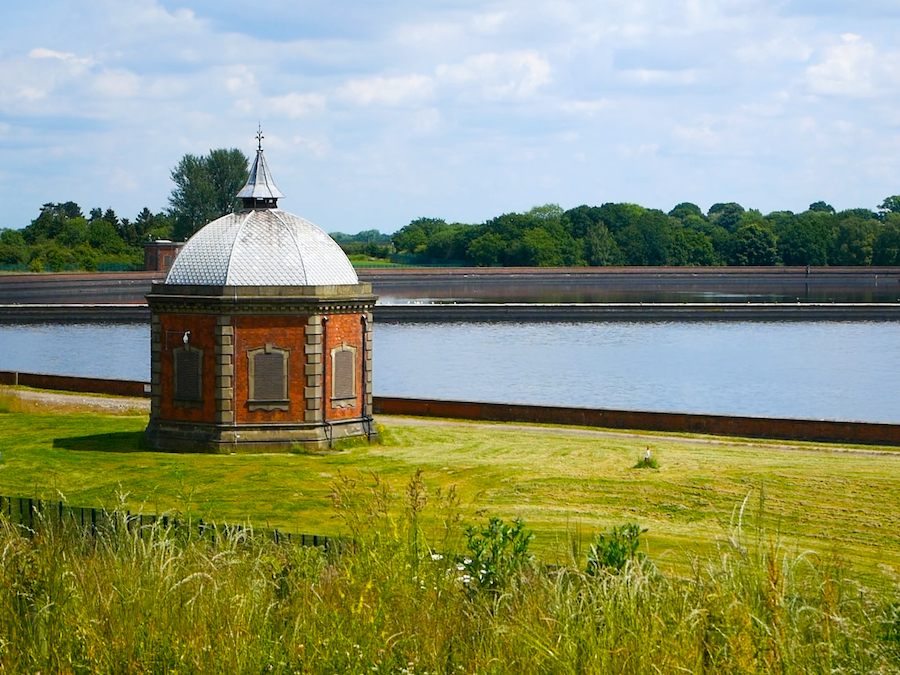
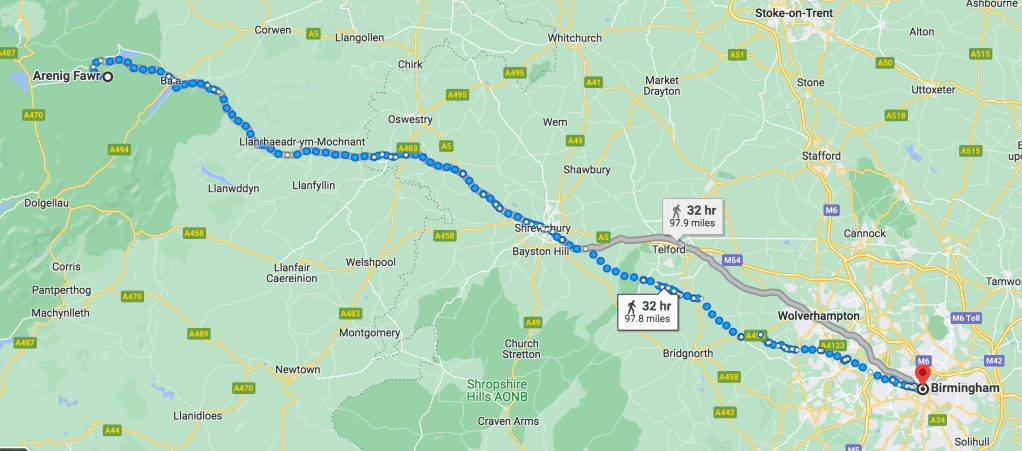
The walk took us close to the Bartley and Frankley Reservoirs, the home of Birmingham’s drinking water. This water also travels here from Wales, in this case from the colossal reservoirs of the Elan Valley. The water makes the 73 mile journey through a huge pipe called the Elan Aqueduct, powered only by gravity. Welsh tap water to anoint the Welsh stones.

The Stone Monologues is a ten part poem written from the perspective of an erratic boulder. Alyson Hallett wrote the monologues after encountering an erratic on Cader Idris and becoming obsessed with travelling stones. Since then she has taken five migrating stones on journeys around the world. The stones have a line of her poetry carved into them and are sited in Scotland, England, USA and Australia. A sixth stone is destined for Ukraine. On all her travels Alyson says she has never known anywhere so abundant with erratics as Birmingham.

Particles of myself ride the wind into homes and hands of strangers. Rain washes me into the earth and the earth’s fast running rivers. I record the touch of a hand, step of a fly, scud of clouds. I have small pockets that catch words from a walker’s lips, light from the moon’s bright lyre.

From “The Stone Monologues” © Alyson Hallett

We walked for seven and a half hours in the midsummer heat, arriving back at The Great Stone exactly as the church bell struck 6 o’clock. Pleasingly the final stone sits in the pub beer garden. By then we were ready for a pint. Alyson summed up the day nicely: “it was ceremonial, sacred, fun and I met amazing people. Days like this allow me to experience how poems can come into the communities of more-than-human beings and expand the cosmic soul. Happy Solstice to everyone.”

Pictures © Andy Howlett unless otherwise stated.


For our previous boulder walks see Wandering Rocks parts one and two.

Want to walk the South West Birmingham Erratic Stone Circle yourself? Get the route on the OS app.

Categories
Posts Upcoming Events Walkspace Erratics

Walking the Watershed for Terminalia

A geographical quirk of living in the middle of the country is that half of our rivers flow northeast towards the Humber estuary and the other half flow southwest towards the Bristol Channel. The natural boundary that separates the two catchments is called a watershed. In the West Midlands the watershed lies along the ridge of the Lickey, Waseley, Clent and Rowley hill ranges. Rainwater that falls on the eastern side of these hills ends up in the North Sea via the Trent, whereas rain landing on the western side ends up in the Atlantic Ocean via the Severn.

For Terminalia 2024 we will celebrate this quietly mind-blowing feature by walking from the source of the river Rea to the source of the river Stour. The river sources are only 2.5 miles apart but the Rea springs on the east face of the hills and the Stour springs on the west so the two water courses have drastically different journeys, ultimately reaching the sea over 200 miles apart.

Source of the Rea in the Waseley Hills. Photo © Andy Howlett

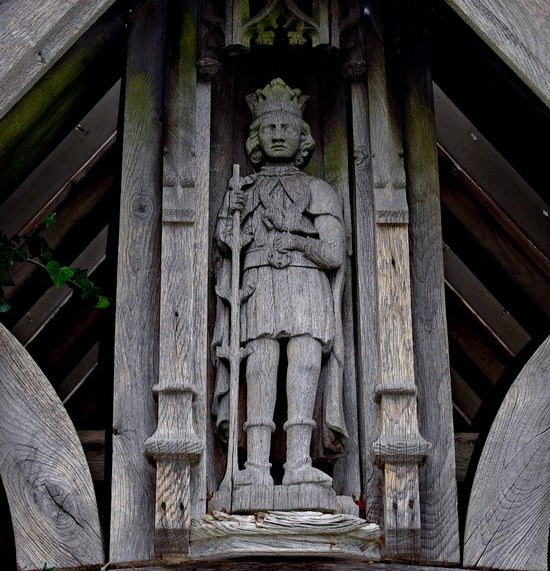
Josh Allen of Walk Midlands (and co-facillitator of this walk) argues that the watershed also forms a significant cultural boundary between the rural southern Midlands, “a land of Morris Dancers, part-timbered buildings, ancient earthworks, 12th Century churches and cider orchards”, and the industrialised northern Midlands, “pockmarked by former collieries and industrial sites, redeveloped as warehouses, retail parks and Barrett houses”. This is reflected in the very different mythologies associated with the two waters: the Rea as Birmingham’s founding river, and the Stour’s role in the fantastical legend of St. Kenelm, Prince of Mercia.

St Kenelm. The source of the river Stour is a holy well dedicated to the boy prince. Photo © P L Chadwick

Meet Andy and Josh outside the visitor centre of the Waseley Hills Country Park (B45 9AT) at 12pm, Friday 23rd February. No need to book, just turn up. This is a four mile walk via Romsley and finishing up at Hagley Road on the southwest tip of Halesowen (B63 1DT). This is a walk in the hills so be prepared for some steep sections and muddy conditions. Walking boots advised! Bring a packed lunch and some water. Due to the time of year we can’t recommend ritual bathing but feel free to bring a votive offering of some sort. We aim to be finished by 3pm.

There are toilets and a cafe at Waseley visitor centre and there’s a Harvester at the end of the walk. We can stop half way for a toilet break in Romsley too.The 63 and 61 buses get you close to the Waseley Hills Country Park entrance for the start of the walk. The 4H, 142A and 192 buses can be picked up at the end of the walk for connections to Hagley Station and Halesowen Bus Station. We can advise anyone who needs to get back to Birmingham!

This walk is part of Terminalia, a one day festival of walking, space, place and psychogeography on 23rd February. Terminalia was the festival of Terminus, Roman god of boundaries and landmarks. See what events are happening in other parts of the country here.

Terminus, god of landmarks and boundaries

Categories
Posts Walk Reports Walkspace Erratics

Walk Report: Wandering Rocks 2

For the second walk in our Wandering Rocks series we visited Birmingham city centre for more glacial boulders, geological curiosities and further examples of “beached heritage”.

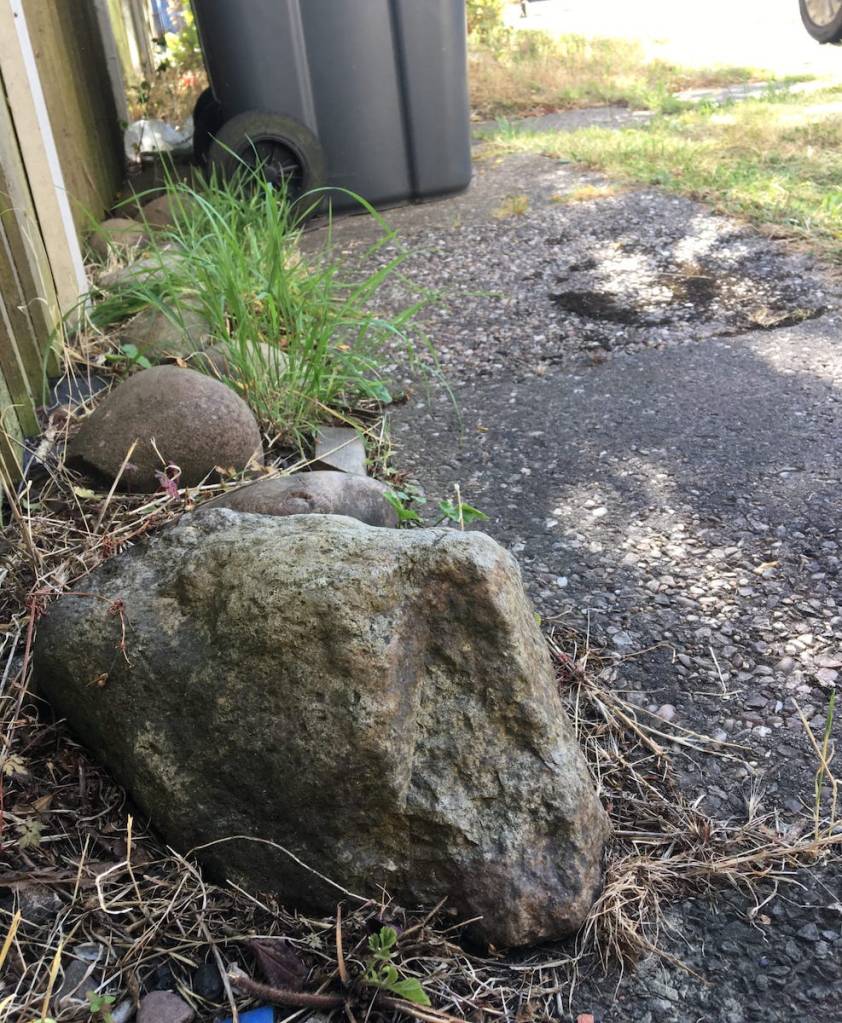
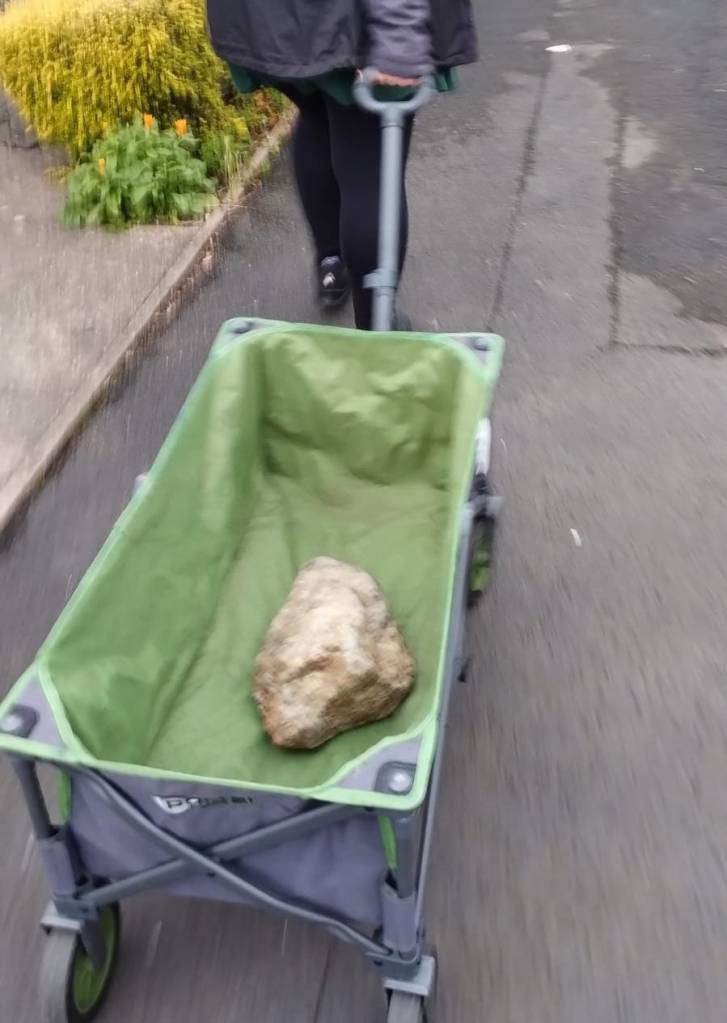
The “wandering rocks” of the title refers to the erratic boulders which travelled to Birmingham from Wales on an ice sheet 450,000 years ago. The catalyst for this walk came when I discovered one of these peripatetic stones hiding out in my front garden beside the footpath.

© Andy Howlett

After receiving confirmation of its erraticness from the experts at the Erratics Project, I met up with Robson in the pub and we started plotting the next walk. Taking after the artist Alyson Hallett who travels the world with large stones, we decided to take the garden erratic for a tour of its adopted home city.

© Andy Howlett

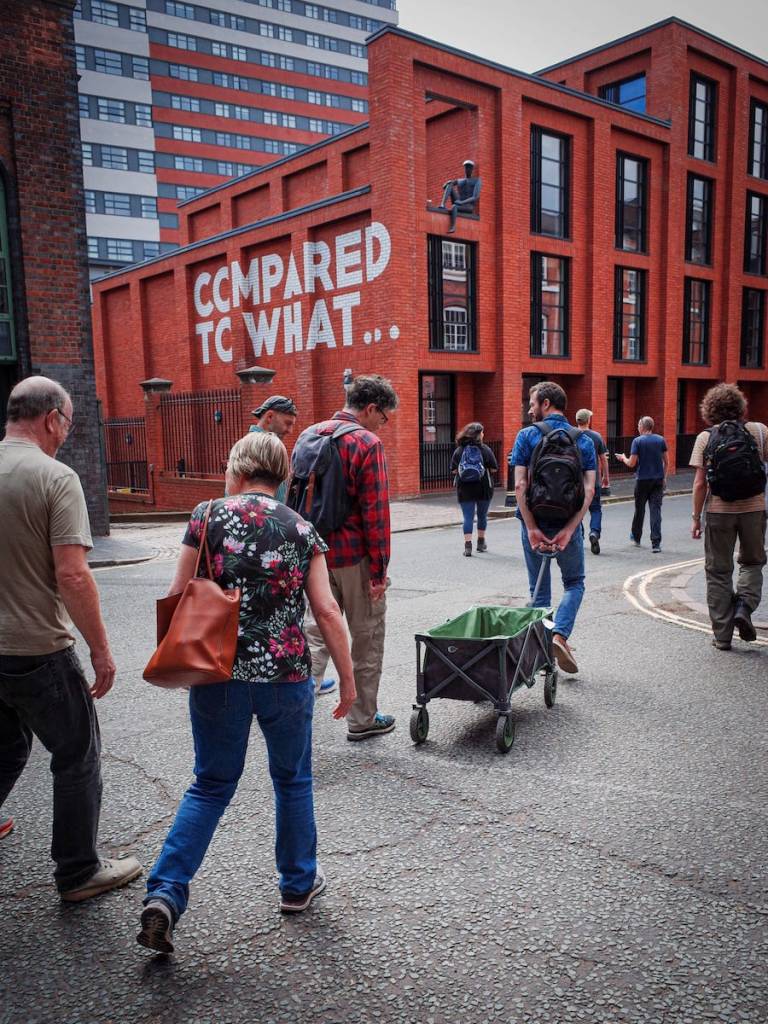
Appropriately enough the walk started in the Jewellery Quarter, a place full of precious stones that have travelled from all over the world. Eleven people came to share this tiny chapter of our stone’s journey by taking a turn pulling the cart.

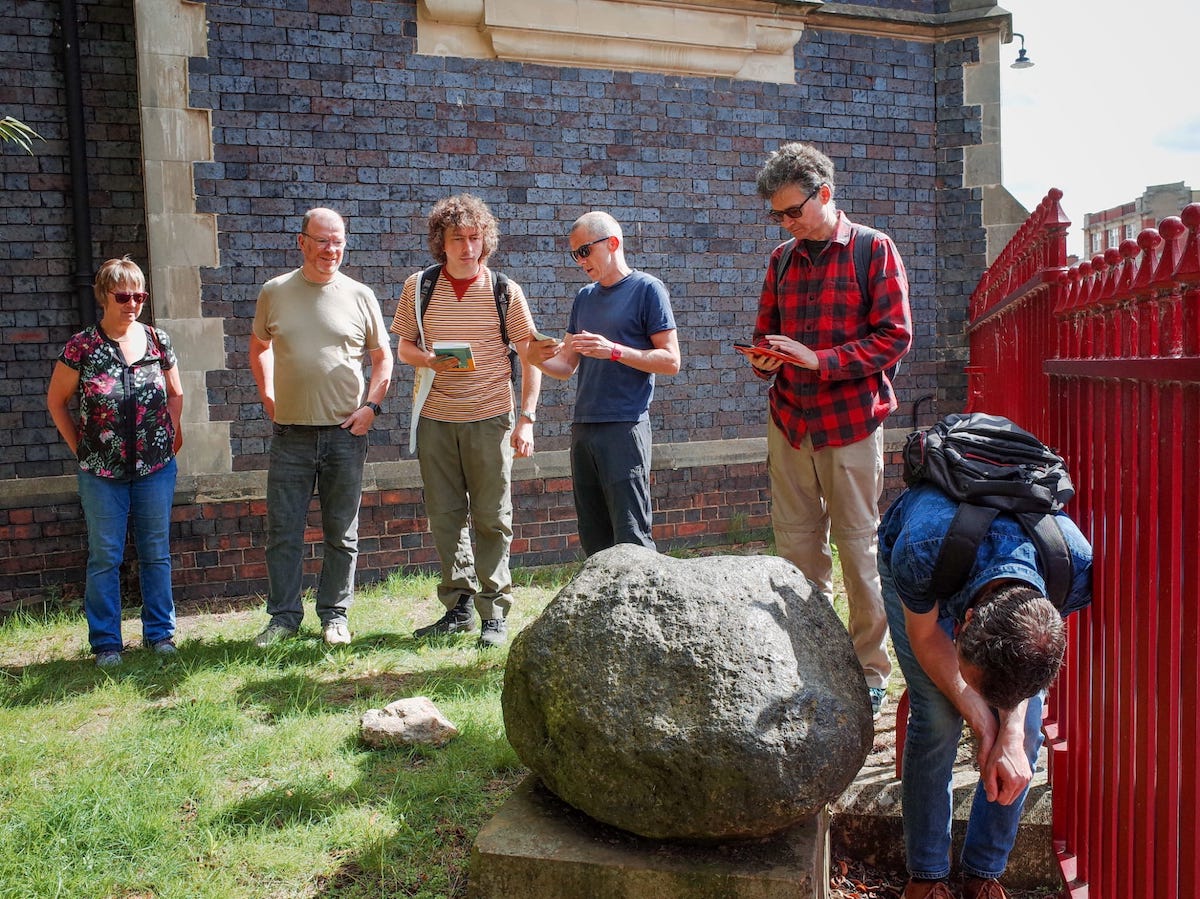
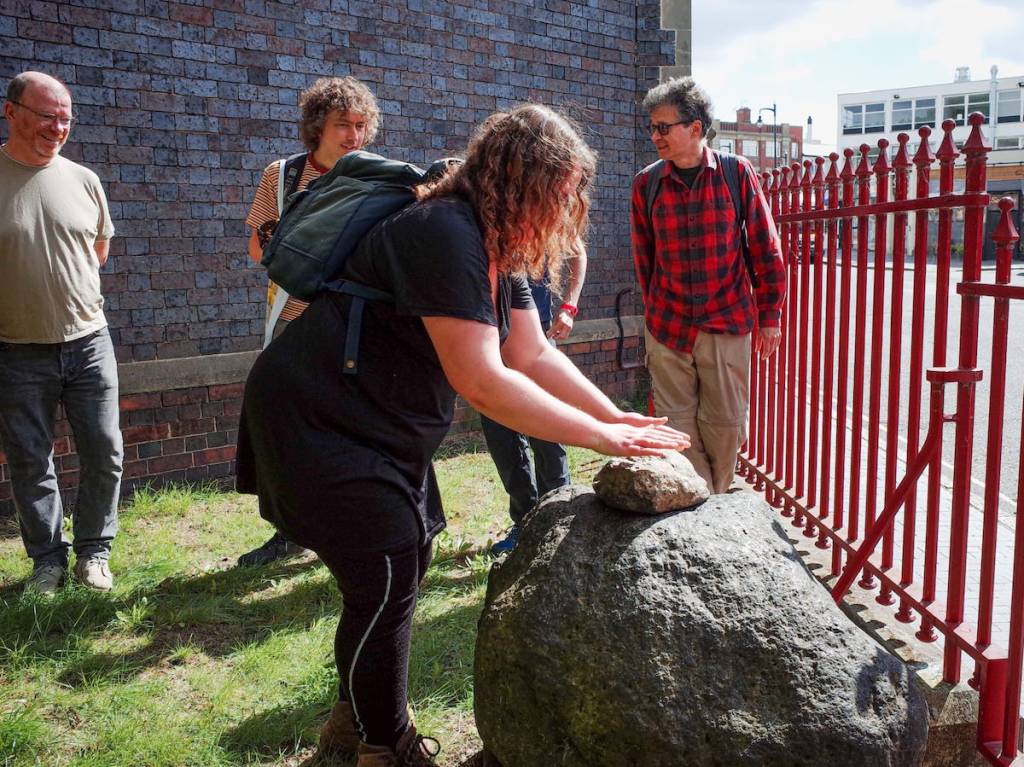
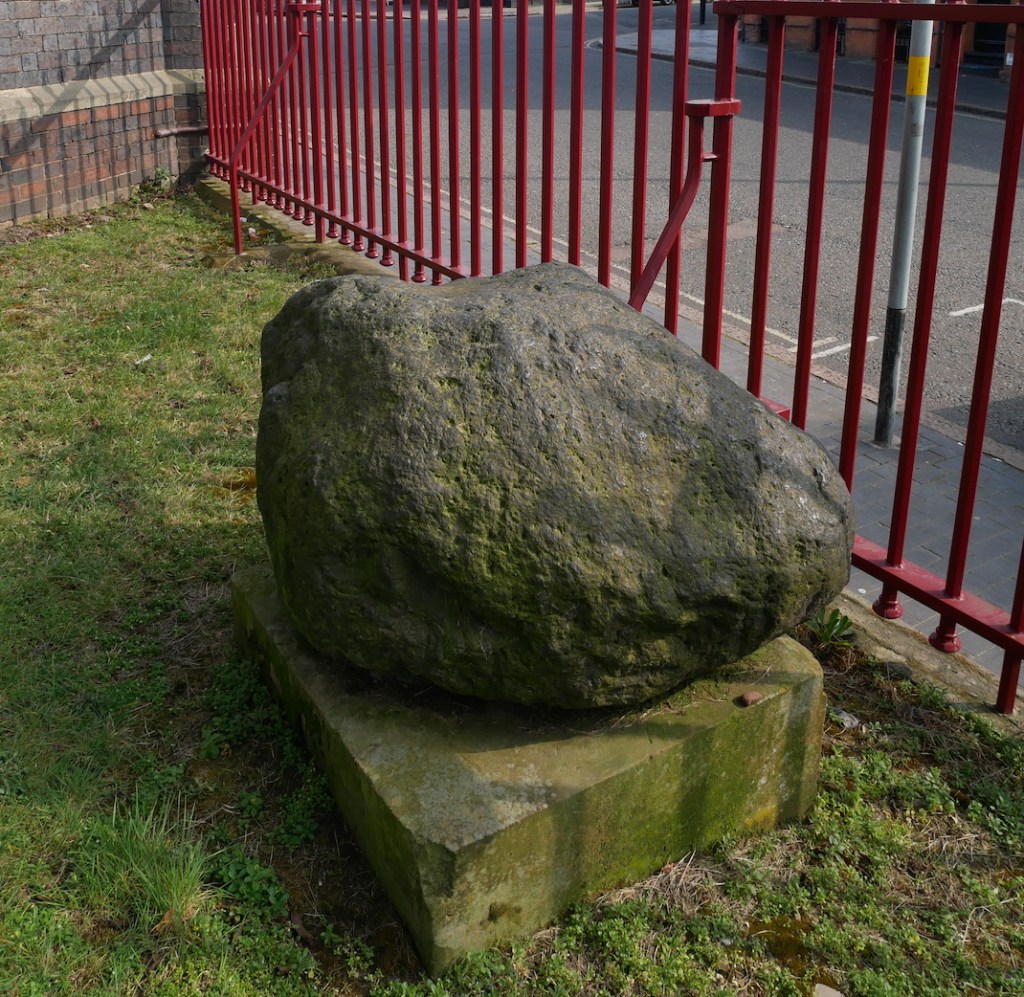
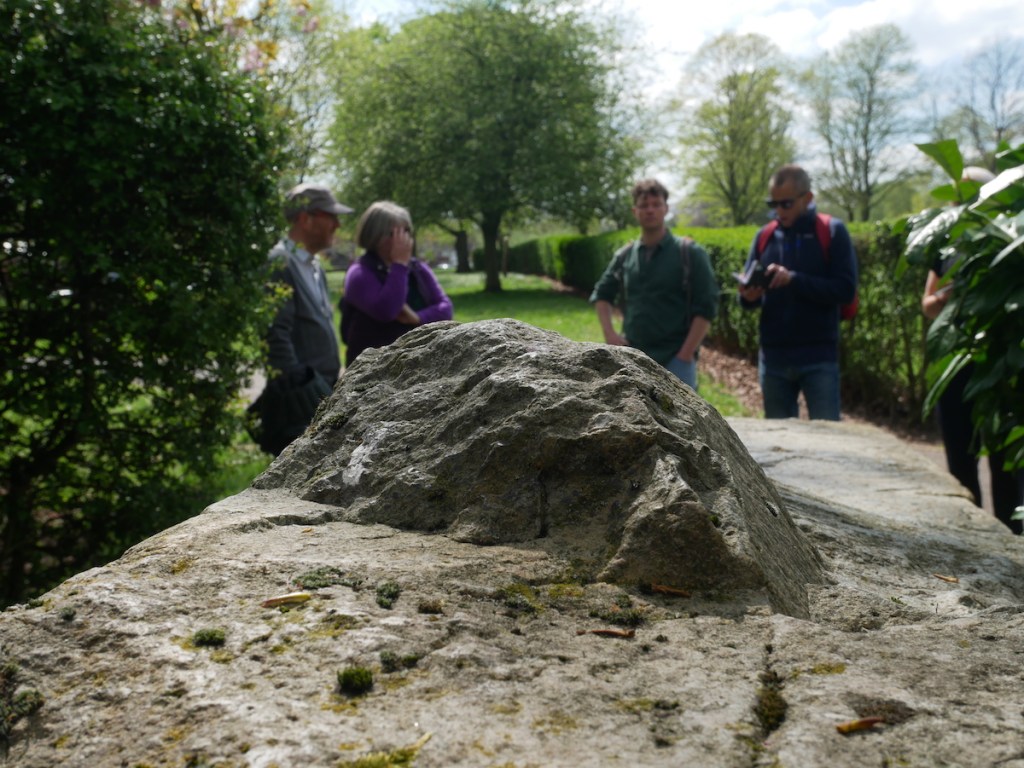
Our first stop was the War Stone which has given its name to the cemetery in which it now resides. An inscription reveals that it once marked the meeting point of the parish boundaries of Birmingham, Aston and Handsworth and that its name is a corruption of “Hoar Stone” meaning boundary stone.

It was an emotional reunion for the War Stone and its smaller cousin who for several millions of years would have been neighbours in the Arenig Mountains.

© Jay Mason-Burns

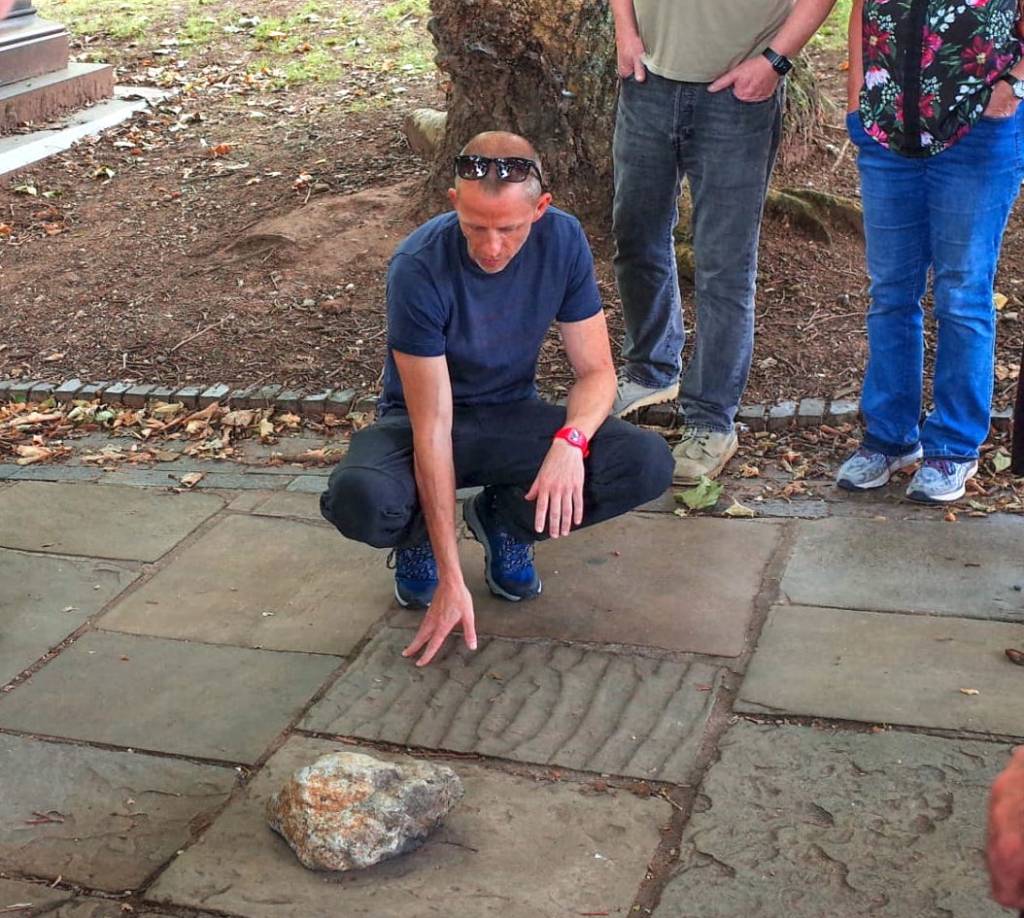
Next up we visited a flagstone in St Paul’s Square which appears to be a petrified slab of riverbed.

© Jay Mason-Burns
© Jay Mason-Burns

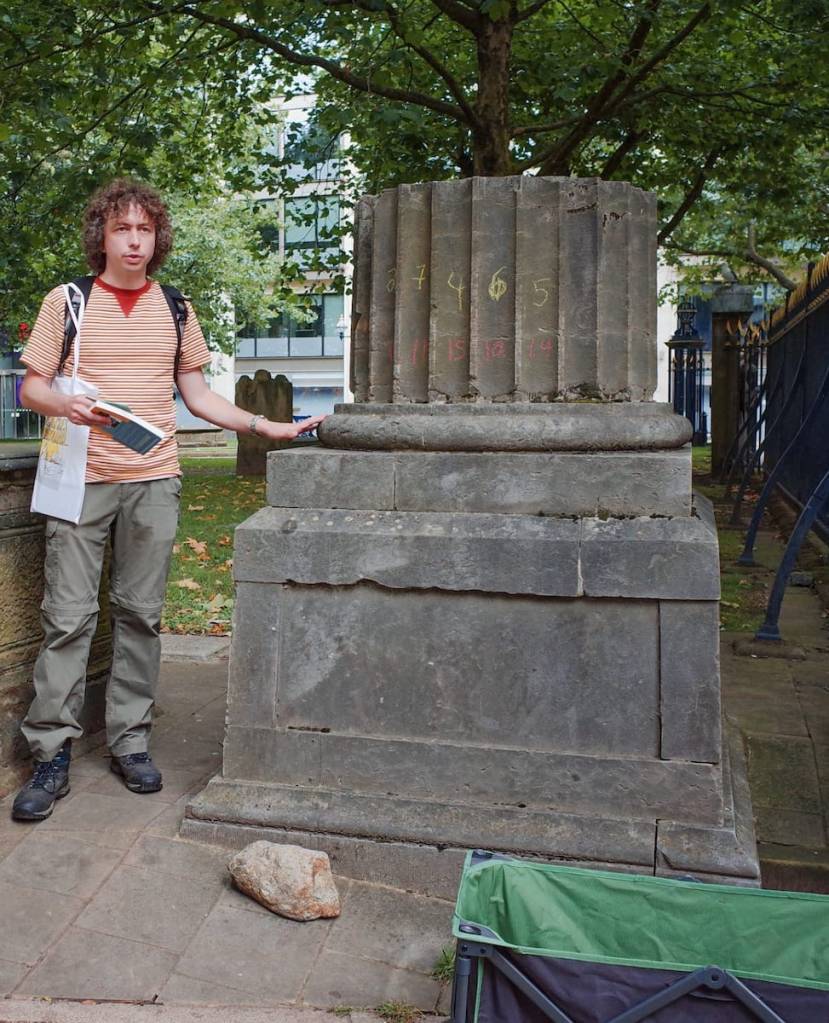
As is often the case on our Erratic walks, many of the best revelations came from our guests. On our visit to the Badger/Heap memorial in Cathedral Square (or “Pigeon Park”), Phil revealed that in funerary architecture a truncated column symbolises a life cut short. The monument commemorates John Heap and William Badger, two stone carvers who were killed by a falling truss during the construction of the Town Hall in 1833. It has since become a focus for International Workers Day to commemorate all workers killed in the workplace.

© Jay Mason-Burns

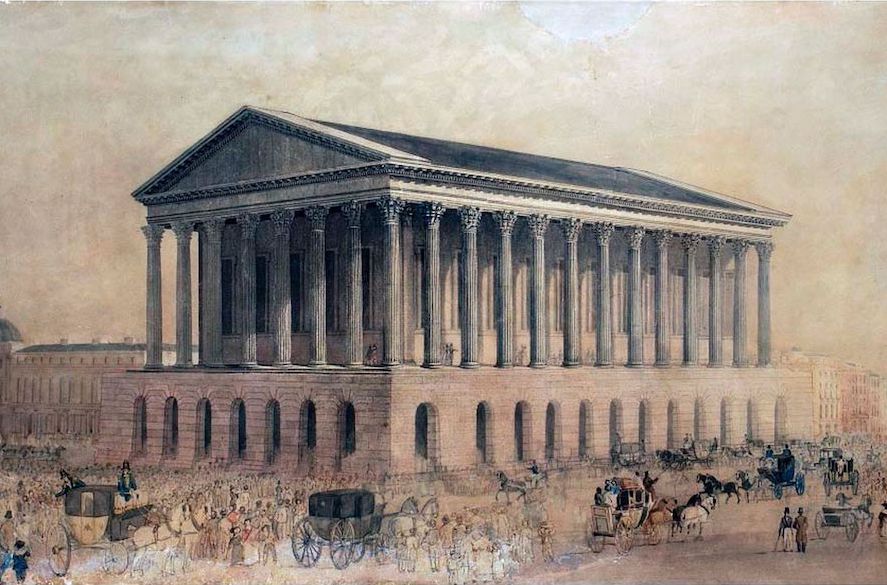
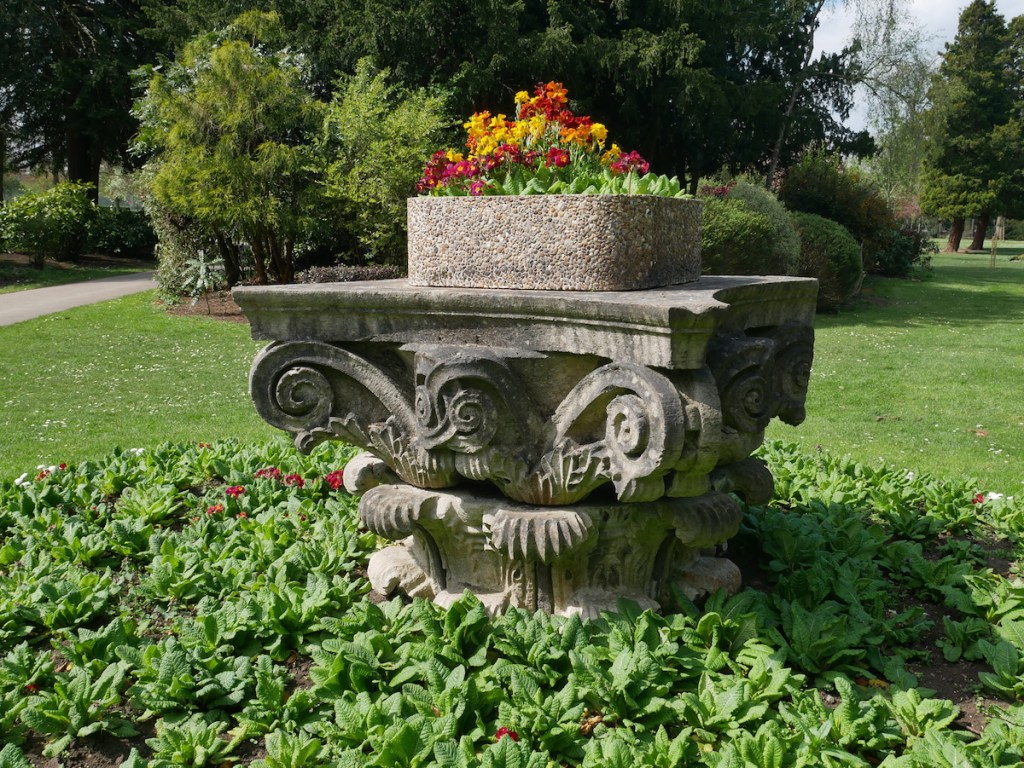
Curiously this monument isn’t the only “spare part” of the Town Hall to have strayed from its mother building and taken on a new function. In our first Wandering Rocks walk we visited Cannon Hill Park where two of the building’s capitals (the topmost part of a column) enjoy new lives as flowerbed ornaments. How many more architectural “erratics” are out there living incognito? Could you construct an entire building out of them?

In Counter-Tourism: The Handbook Crab Man introduces the concept of “beached heritage” to describe any sort of artefact that has travelled (geographically and/or temporally) and washed up on alien shores.

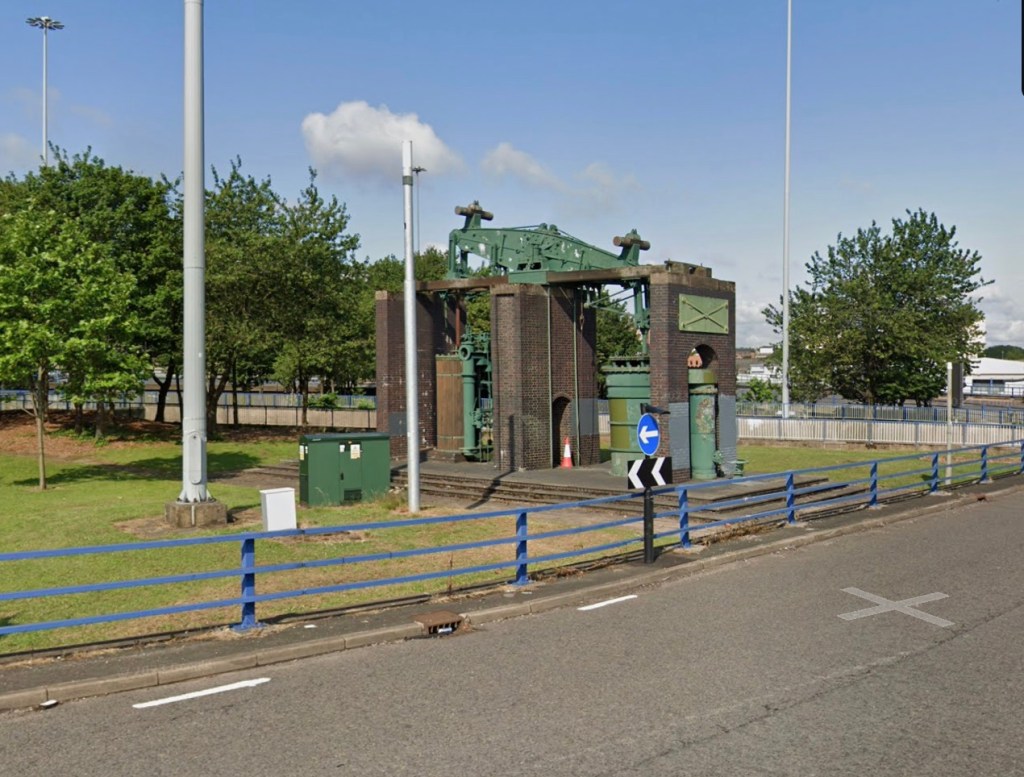
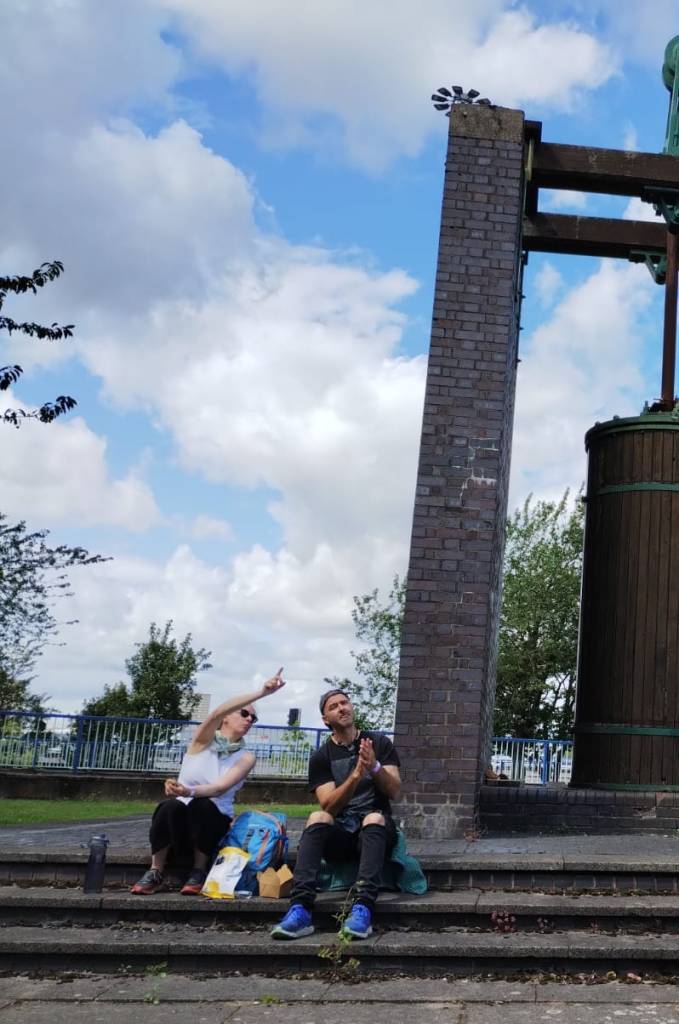
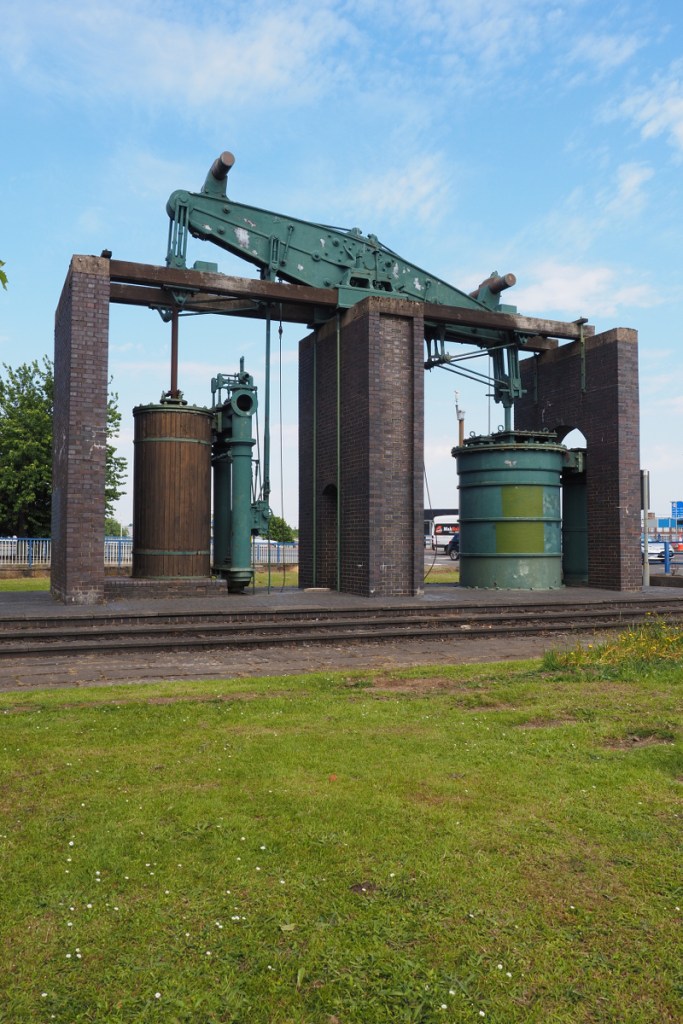
Birmingham’s most striking example of this is surely the Grazebrook Beam Engine of 1817. Built to the design of local inventor and Steam Age pioneer James Watt, the beam engine was used for blowing blast furnaces at the Grazebrook foundry in Dudley. It’s the largest steam engine ever built in the Birmingham/Black Country area and it remained in operation for close to a century. It now sits on a busy traffic island overlooking the Aston Expressway.

Screenshot

The engine is accessible via pedestrian subways but there is no information board to explain its historical significance. Its mute grandeur speaks volumes enough. Just over the way though is a shiny black plaque commemorating the Matalan development of 2001.

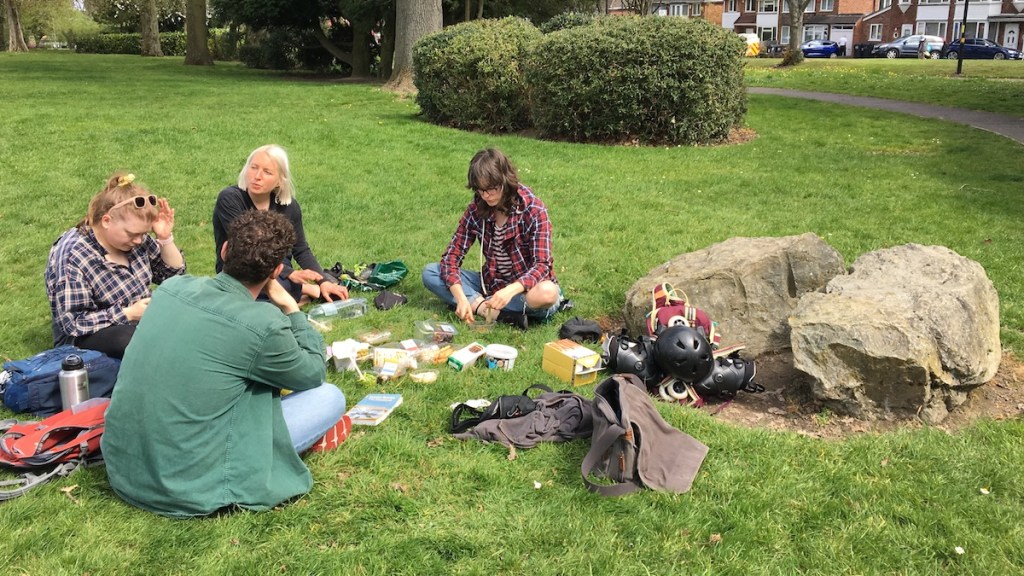
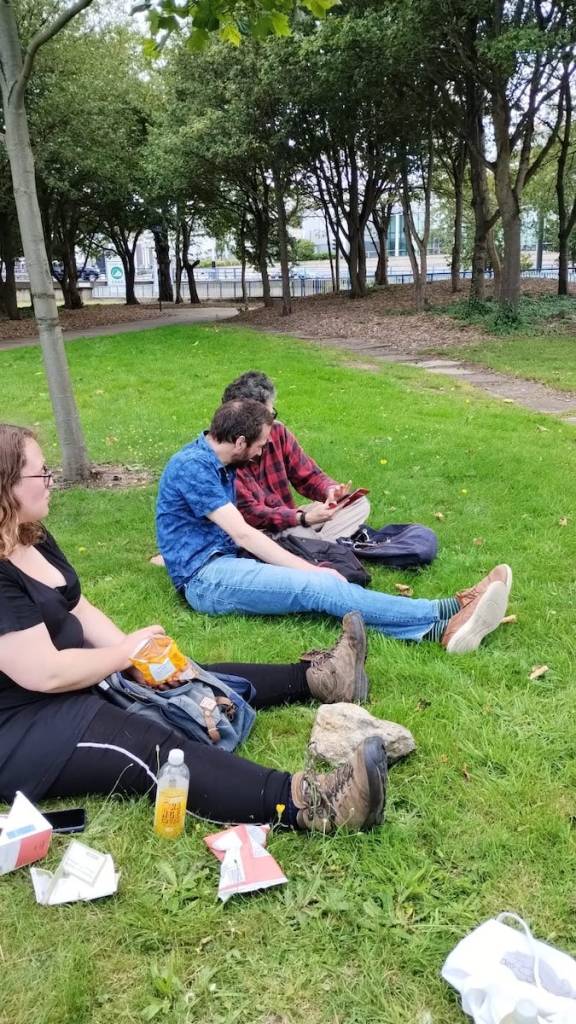
The traffic island itself, Dartmouth Circus, is something of a monument to Birmingham’s motorcity age when the planners reimagined roundabouts as sites for green space and relaxation. In fulfilment of this vision we stopped here for a picnic.

We visited several examples of public art: some for their nomadic history (William Pye’s Peace Sculpture), others for their geological intrigue (Vincent Woropay’s Wattilisk), but perhaps the most pleasing stop of this sort was the one we didn’t plan.

As we passed through Aston University campus one of our party (Phil again) spotted one of John Maine’s Aston Stones which he remembered from his time as a student there. Phil told us how originally there were five of these stones (we only saw one) positioned along two axes in the shape of a cross. They weren’t fastened to the ground though and if several drunk students put their backs into it, the stones could be manoeuvred around the campus in the middle of the night. This earned them the nickname “The Rolling Stones”.

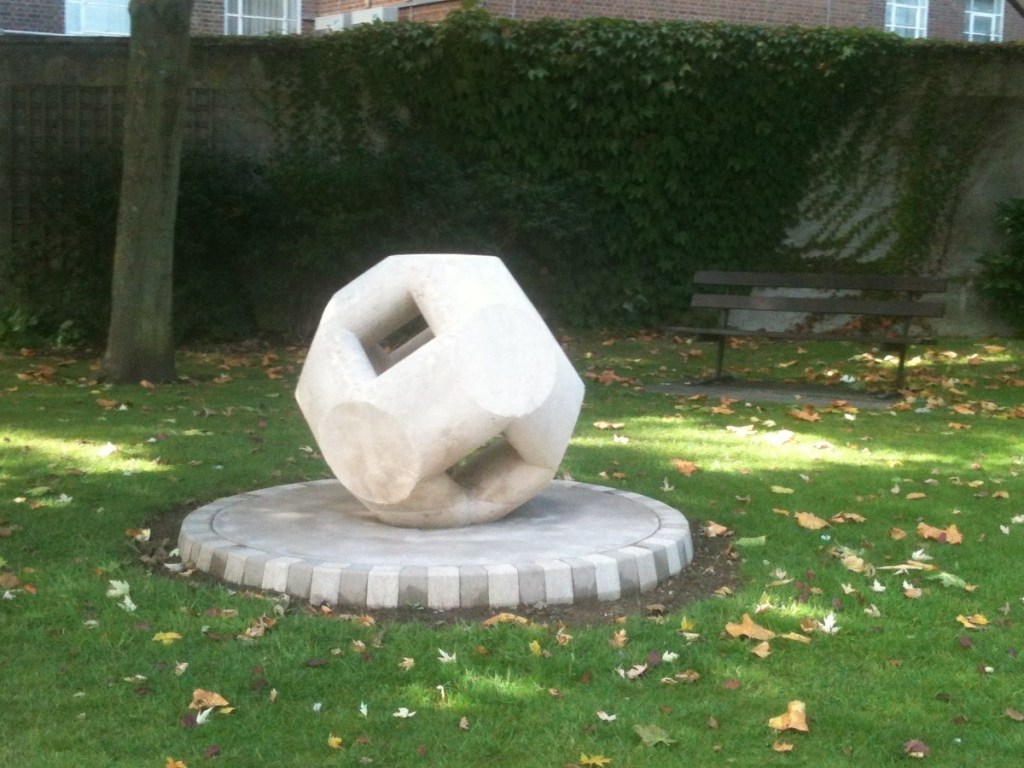
Those other four stones must be out there somewhere. Photo © Brianboru100

Thank you for joining us on this journey, whether that was in person or by screen. If you’d like to join us on future walks and hear about other Walkspace activity please sign up to our mailing list.

For now I shall leave you with an on-theme poem from one of my favourite writers, Joel Lane:

Don't Go

You said, stone dies like us.
They knocked down that pub 
off Deritend, close to the viaduct
that'll be the next thing to go.
I said, but stone doesn't live:

just sweats it day after day,
holding on, but not feeling,
slowly growing a coat of ash
while the lime drips from its pores.
You said, that's not living?
© Charlie Best
Categories
Inspiration Posts Upcoming Events

Still Walking, book launch, and the search for a lost well

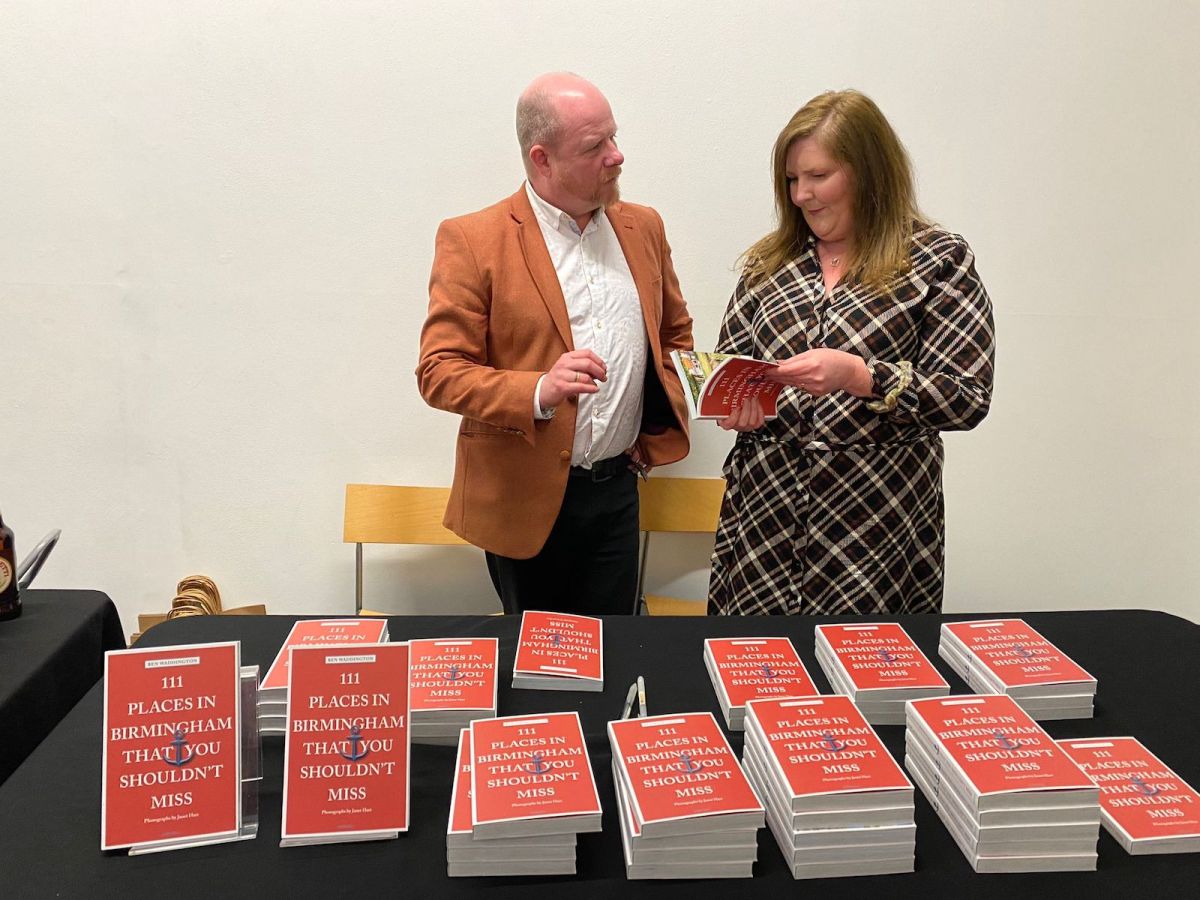
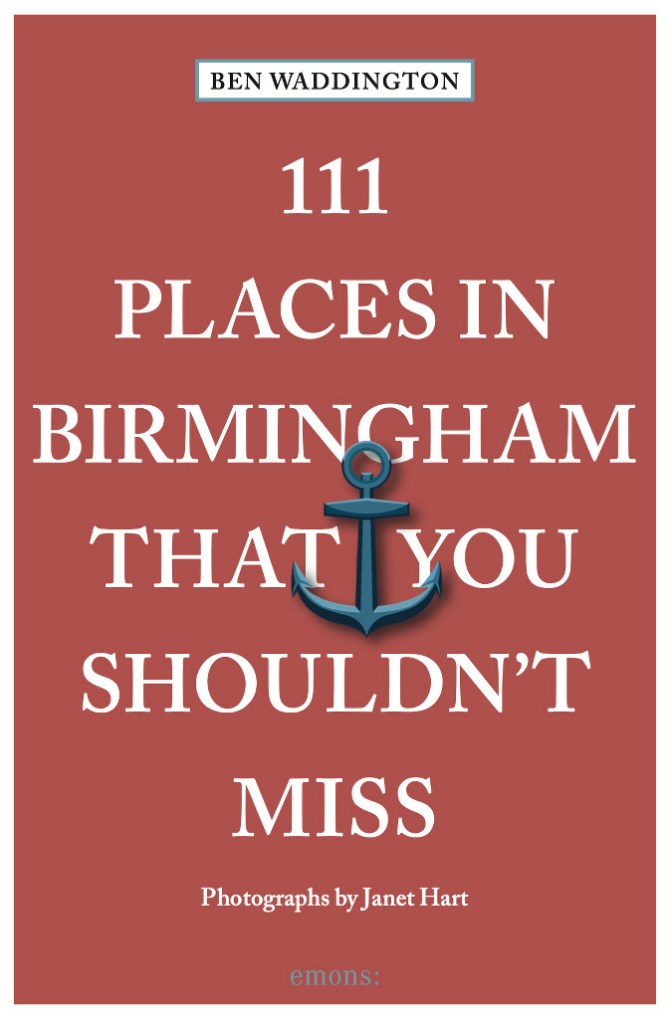
It’s lining up to be a good summer for walking in Birmingham with the return of Still Walking Festival and the accompanying guidebook “111 Places in Birmingham That You Shouldn’t Miss” by Ben Waddington.

Still Walking has been a big influence on many of us at Walkspace with its unusual and highly creative approach to the walking tour format so we’re very excited for its return over May and June. This edition features Sherlock Holmes, Shibboleths and Satan. Book onto the walks now.

As for the book, here are some words from the publisher:

‘111 Places…’ books are known for side-stepping a city’s best known places, instead highlighting the lesser-known— or wholly overlooked— features that more candidly reveal the city’s identity. Ben takes this approach on his guided tours with Still Walking… walks informed by posing the question ‘what would guided tours look like if they weren’t about sight-seeing?’

The aim of the book was to tell Birmingham’s story through its art, architecture, music, industrial history and cultural diversity; showcasing the city’s triumphs while embracing its gritty side. Accordingly, there’s an intriguing mix of urban oddities, micro-museums, sacred sites, epic landscapes, industrial remnants (bridges, tunnels, engines) and a handful of ‘survivors’ from the pre-Revolution Birmingham. 

A few of us went along to the book launch at Ikon gallery earlier in the month and listened to Ben in conversation with Andrew Kulman. The talk was full of fascinating insights but it was especially interesting to hear about all the things that for one reason or another didn’t make it into the book.

The book was several years in the making and in typical Birmingham fashion a number of the places originally due for inclusion were demolished before it went to print. Perhaps we can expect a follow-up volume: “111 Places in Birmingham You Shouldn’t Have Missed”.

Another reason for some places not being included were the difficulties in obtaining permission to photograph private property. Ben told us of the case of the Lady well, “Birmingham’s answer to Leicester’s Richard III car park discovery“.

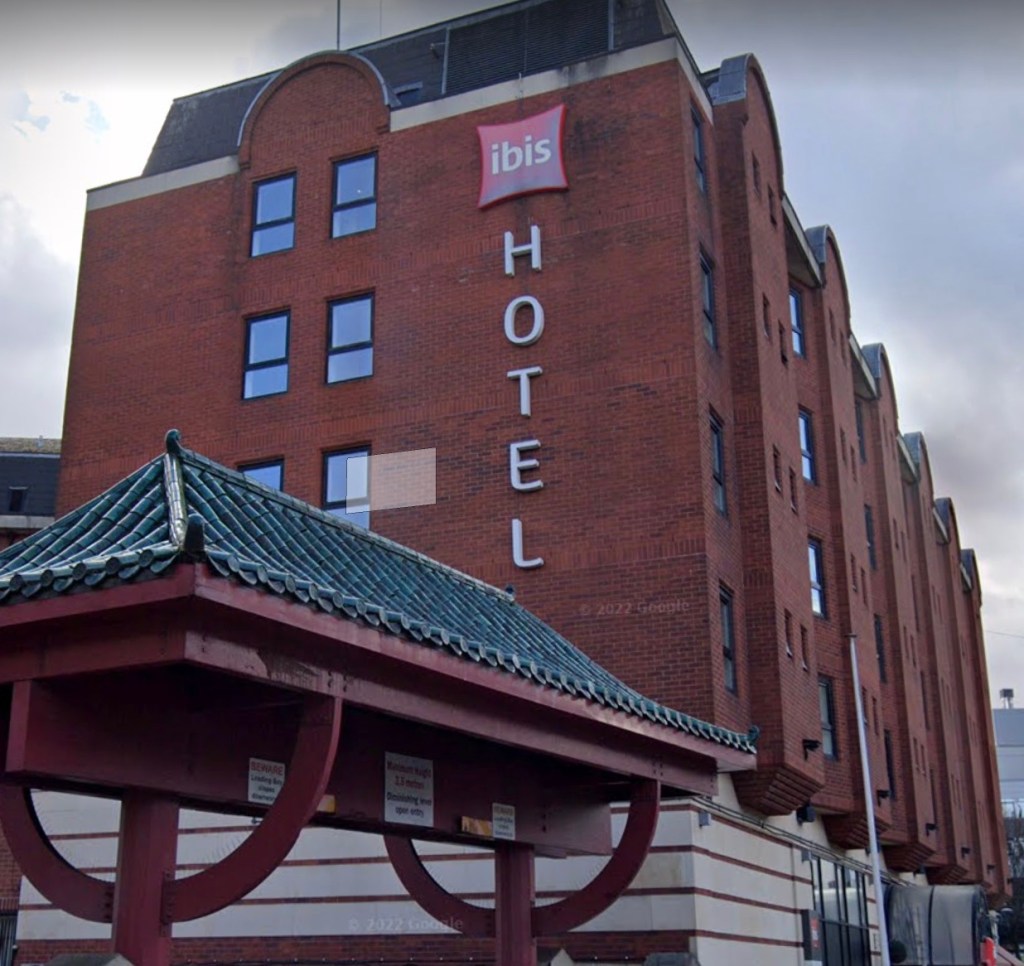
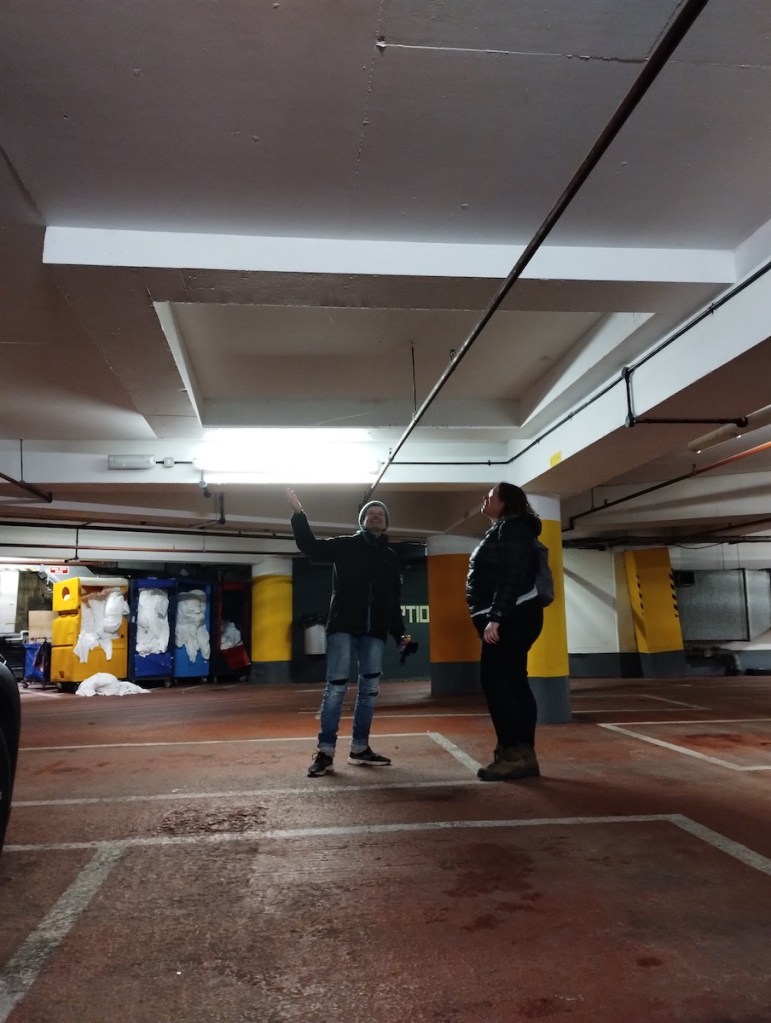
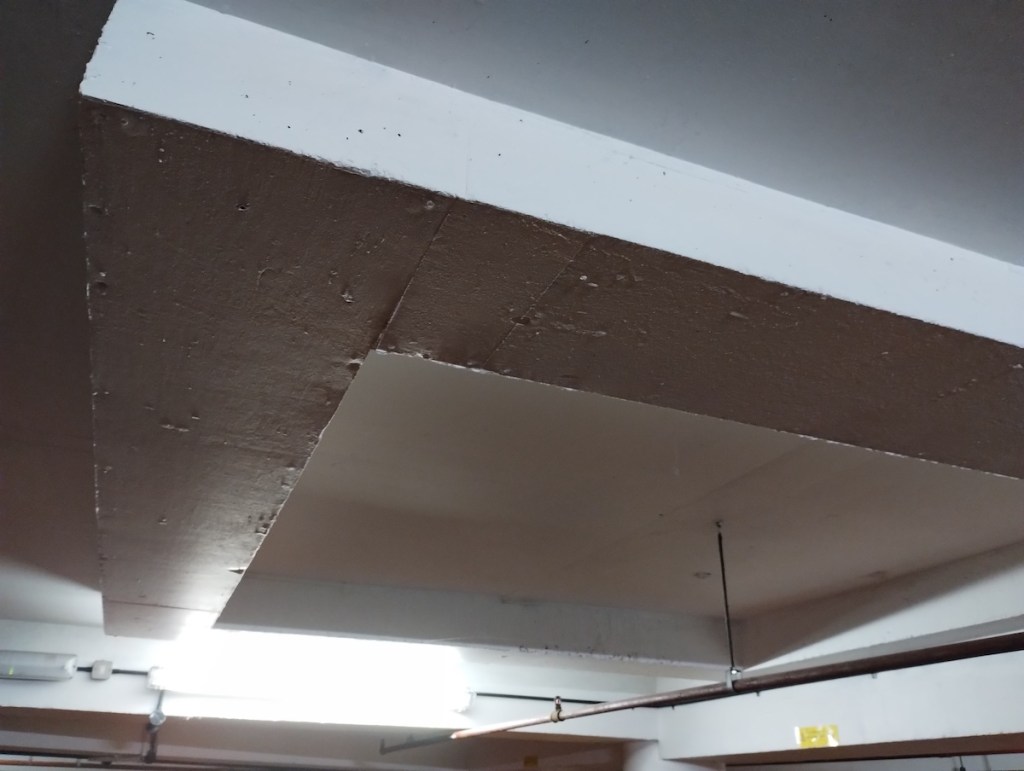
Buried underneath the car park of the Ibis hotel in Chinatown is a holy well, probably once dedicated to the Virgin Mary, that provided water for domestic and industrial purposes until the mid 19th Century. The site of the well is marked only by a concrete square built into the ceiling above.

Ben enquired to Ibis for permission to photograph the sacred site but found himself entering a Kafka-esque, bureaucratic nightmare, being passed from department to department with no one being able to give him a clear answer. Alas, the Lady well doesn’t feature in the book. This story was just too tantalising though so immediately after the book launch three of us decided to schlep over to the other side of town in the pouring rain to investigate.

Photo © Andy Howlett

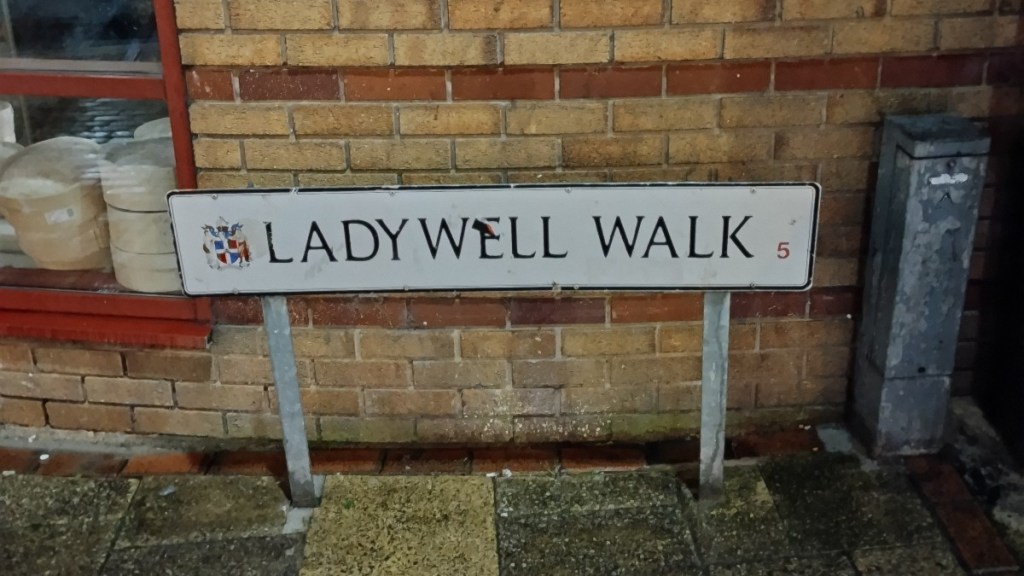
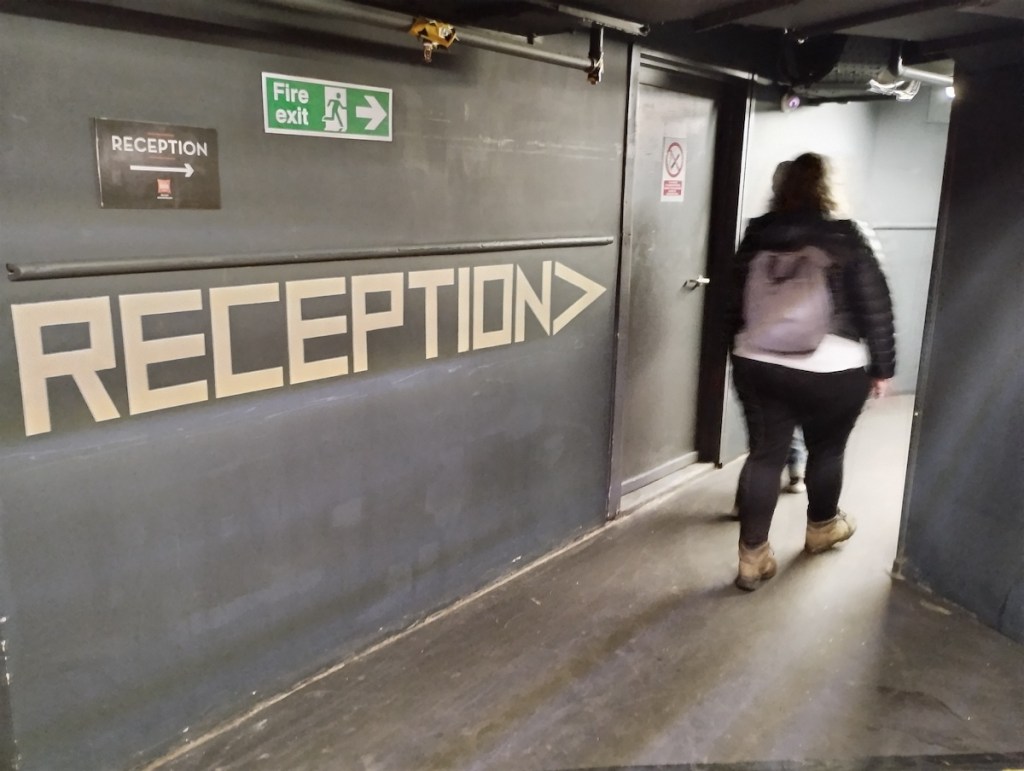
The first clue is in the name of the road that the hotel is on: Ladywell Walk. The car park can only be accessed through the hotel reception so we stepped inside, approached the receptionist and said that we had come to see the site of the holy well. Somewhat perplexed by this request, she told us to take a seat while she went to consult a with colleague.

A few minutes later the colleague came and acknowledged the existence of the well but warned us that there wasn’t much to see. She offered us a keycard to get down there and told us about reported ghost sightings associated with the well. Unperturbed we thanked her and made our way down.

Photo © Andy Howlett

This is a taster of the sort of unexpected discoveries and urban adventures that Still Walking and “111 Things…” offer up to the curious city dweller. For the tenth edition of the festival, Still Walking has crafted a special programme of eleven walks inspired by the new guidebook. Head over to the website where you can order a signed copy of the book to collect when you attend any of the walks for the discount price of £12.

Categories
Posts Walk Reports Walkspace Erratics

Photos from Winter Solstice sunrise walk

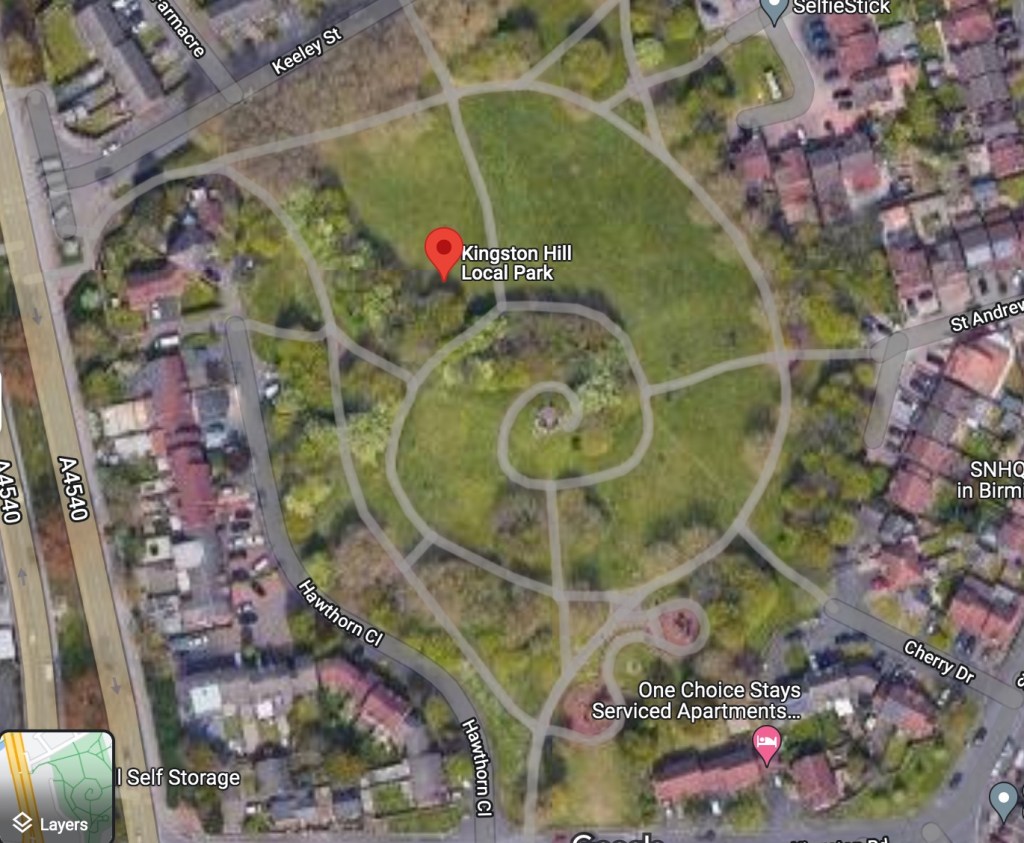
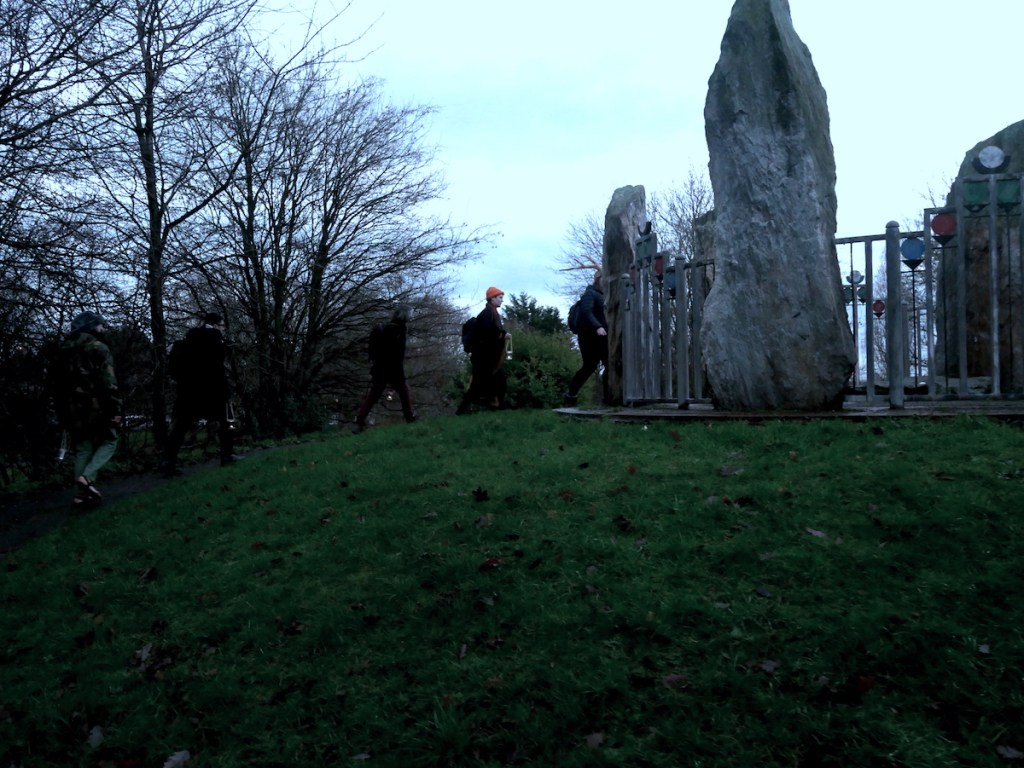
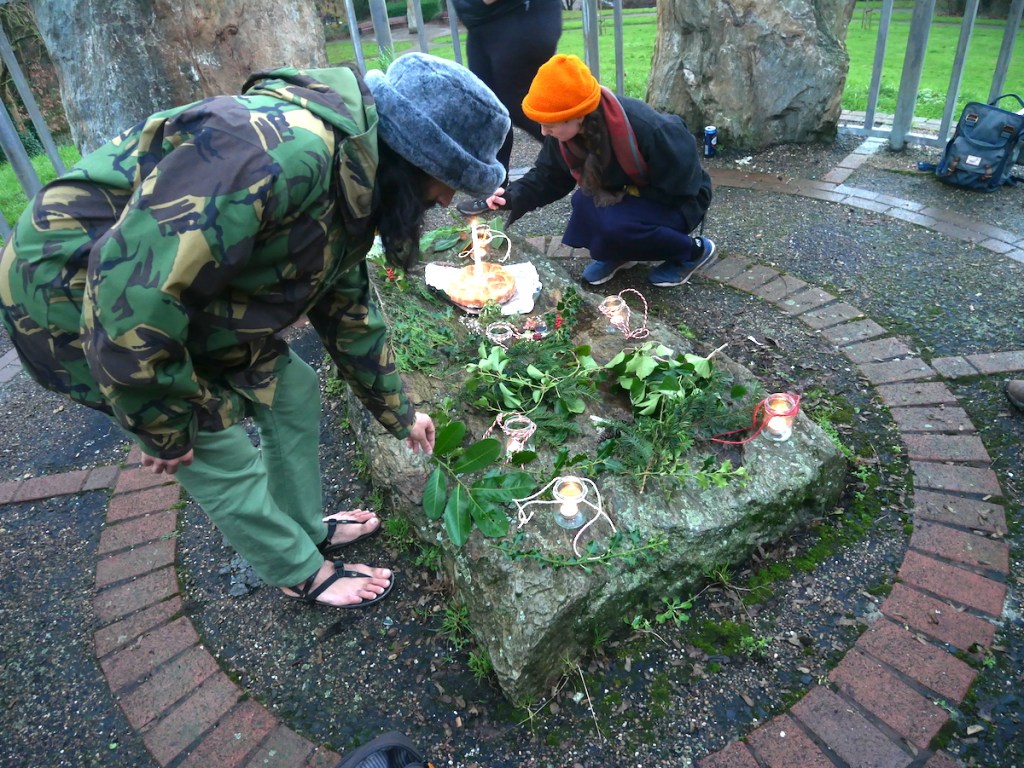
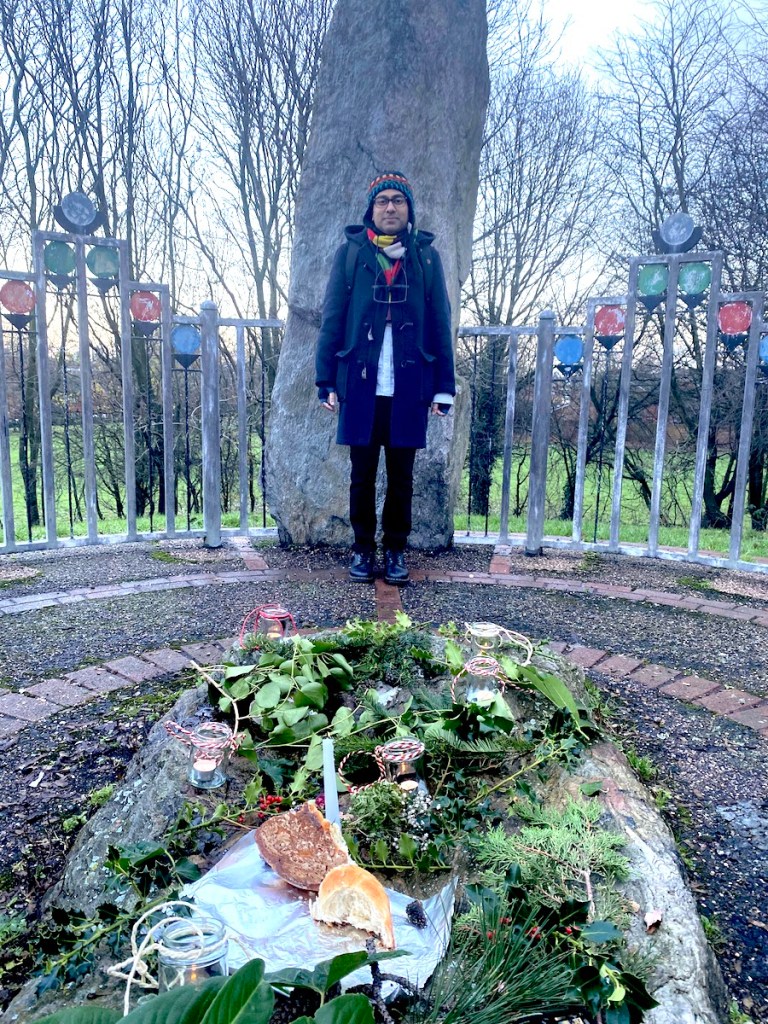
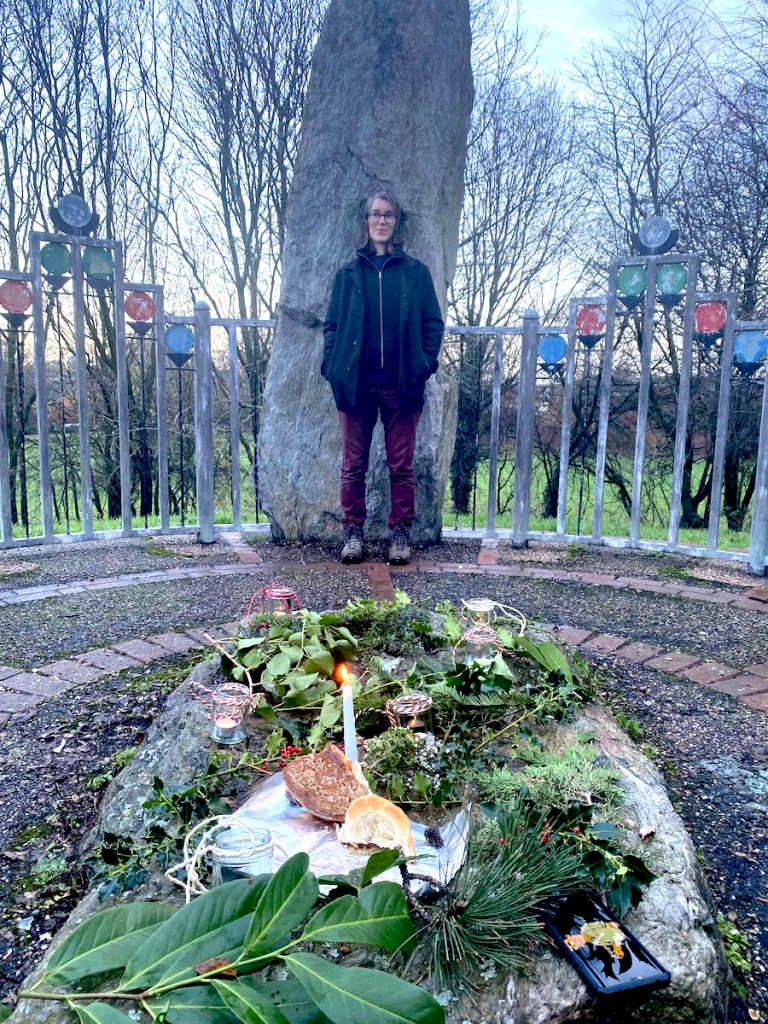
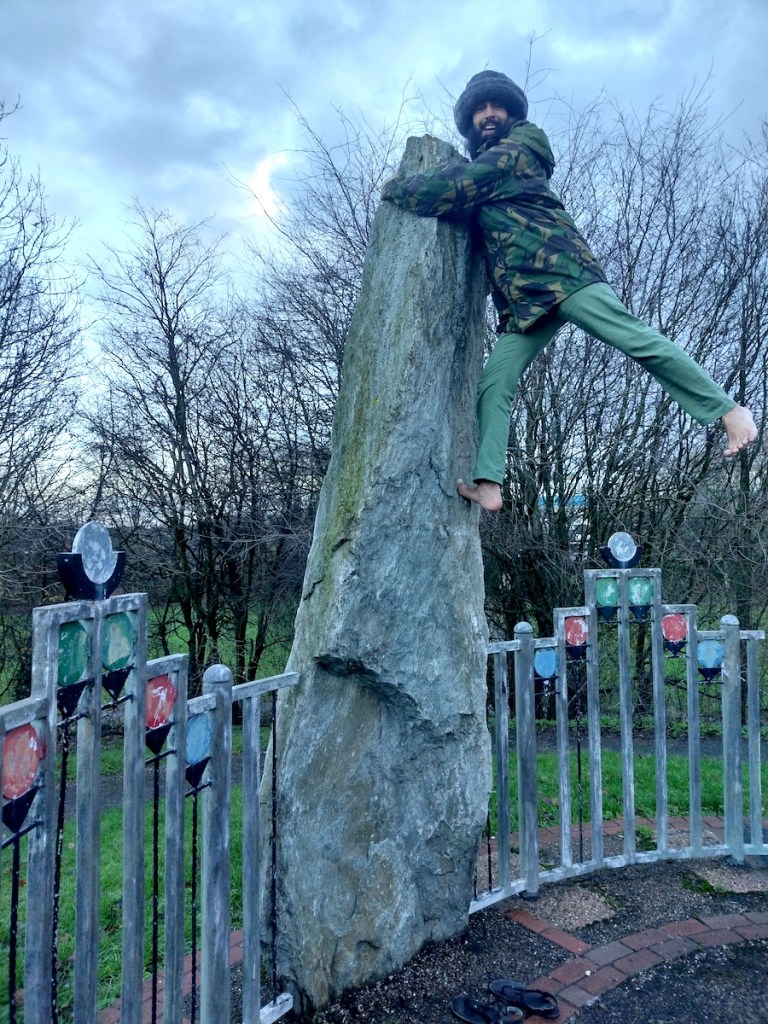
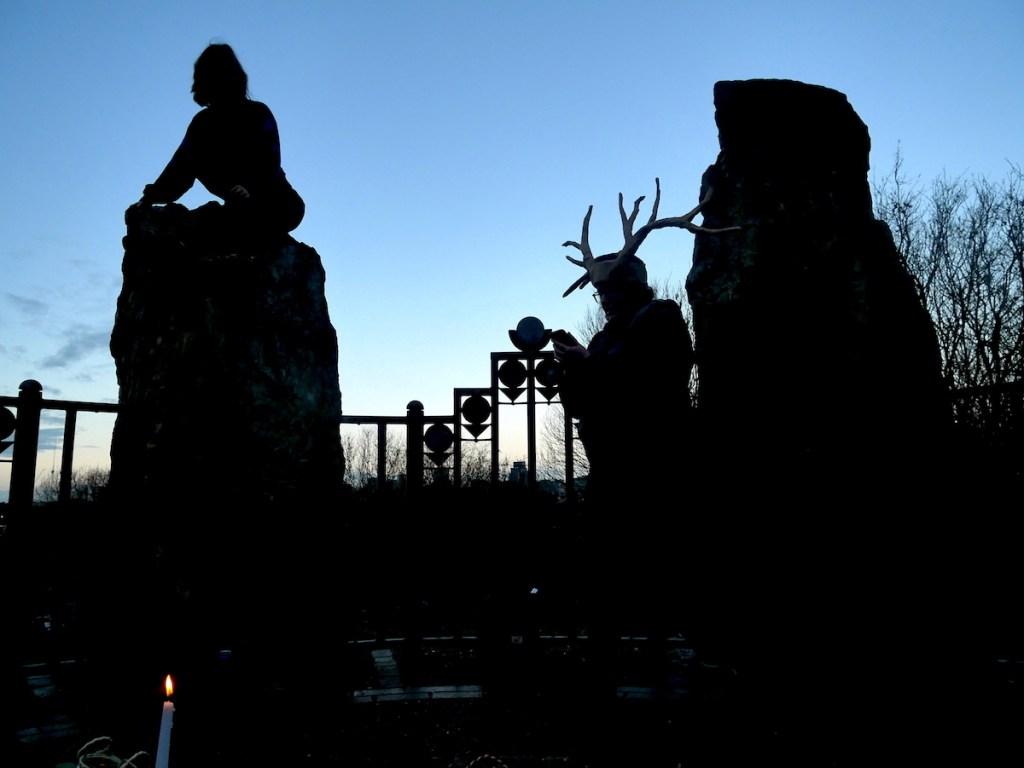
For the final Walkspace Erratic of 2022 we visited Bordesley Henge in Birmingham to mark the Winter Solstice. Bordesley Henge is a municipal stone circle situated in Kingston Hill Park and is believed to date back to the 1990s. Six standing stones form a ring on top of a mound, up which a spiral footpath winds its way from the park’s entrance just off the A4540 Middleway. The park is the very definition of a hidden gem and from above it looks like a giant ammonite.

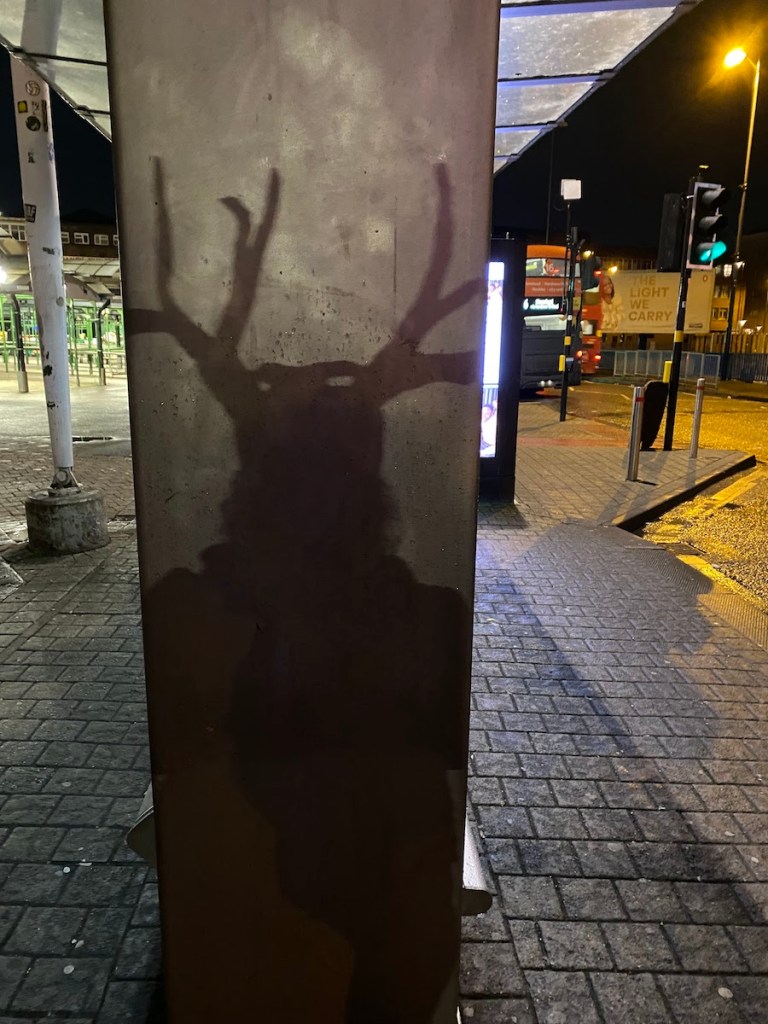
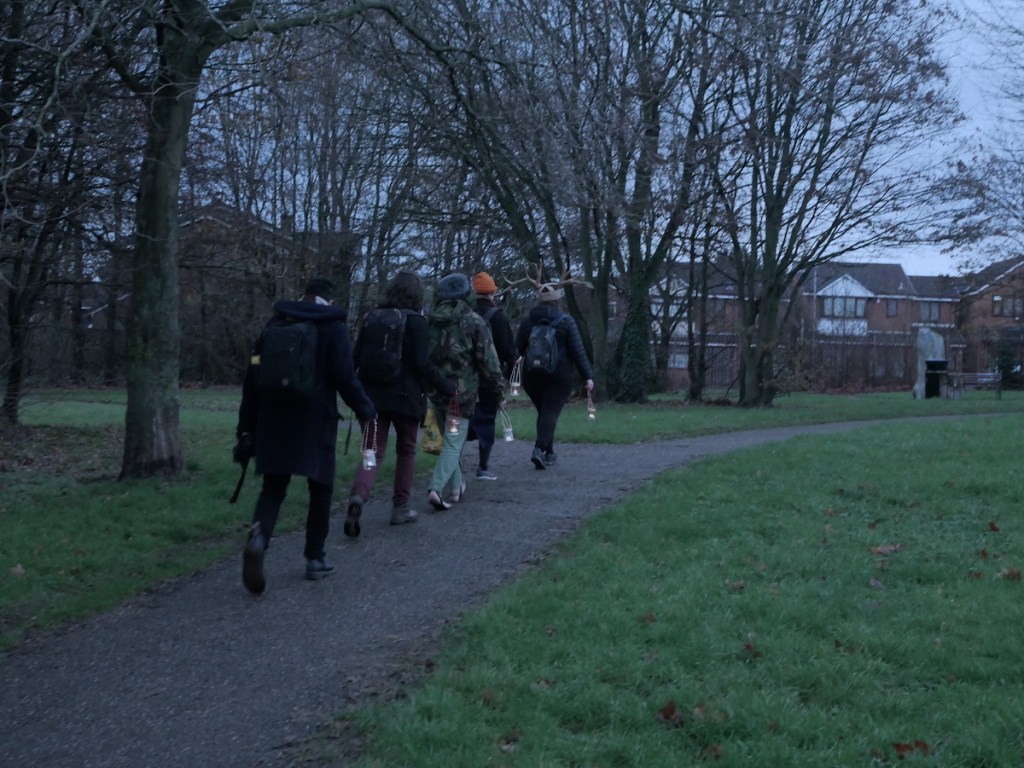
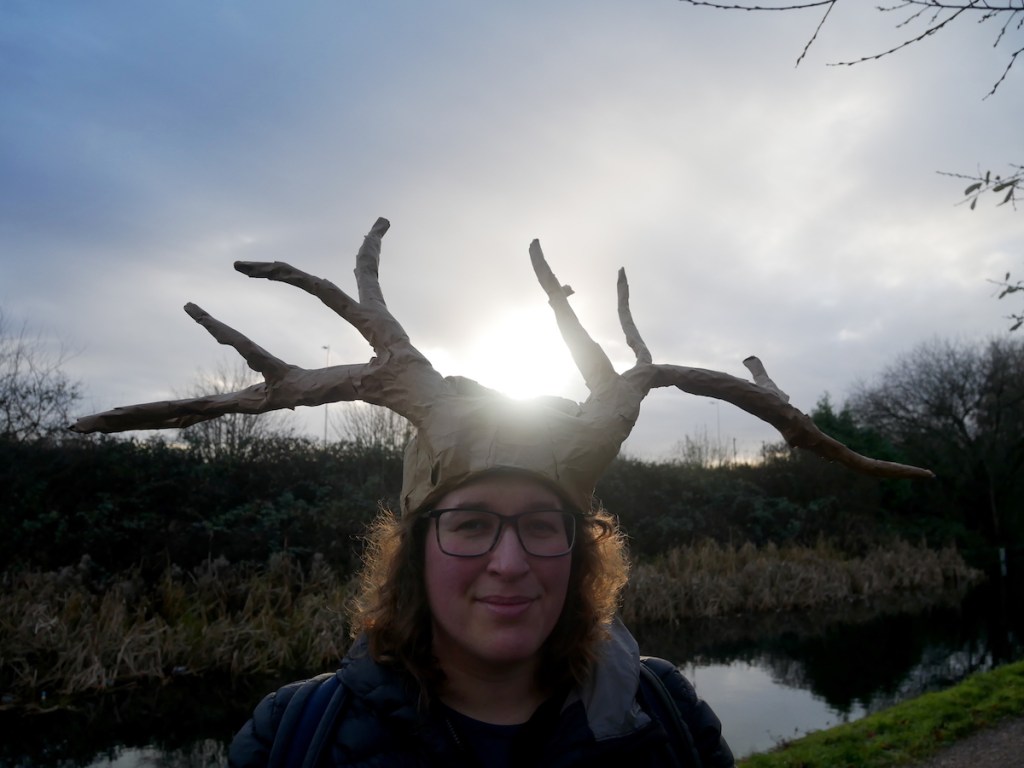
Andy first piloted this walk three years ago in the days before Walkspace but this time around he was joined by Charlie who helped flesh-out the idea with a lamp-lit procession and Yule Altar. Being a sunrise walk we weren’t at all sure how many people to expect but we were delighted to be joined by some friendly faces including the Deer Mother and Holly King.

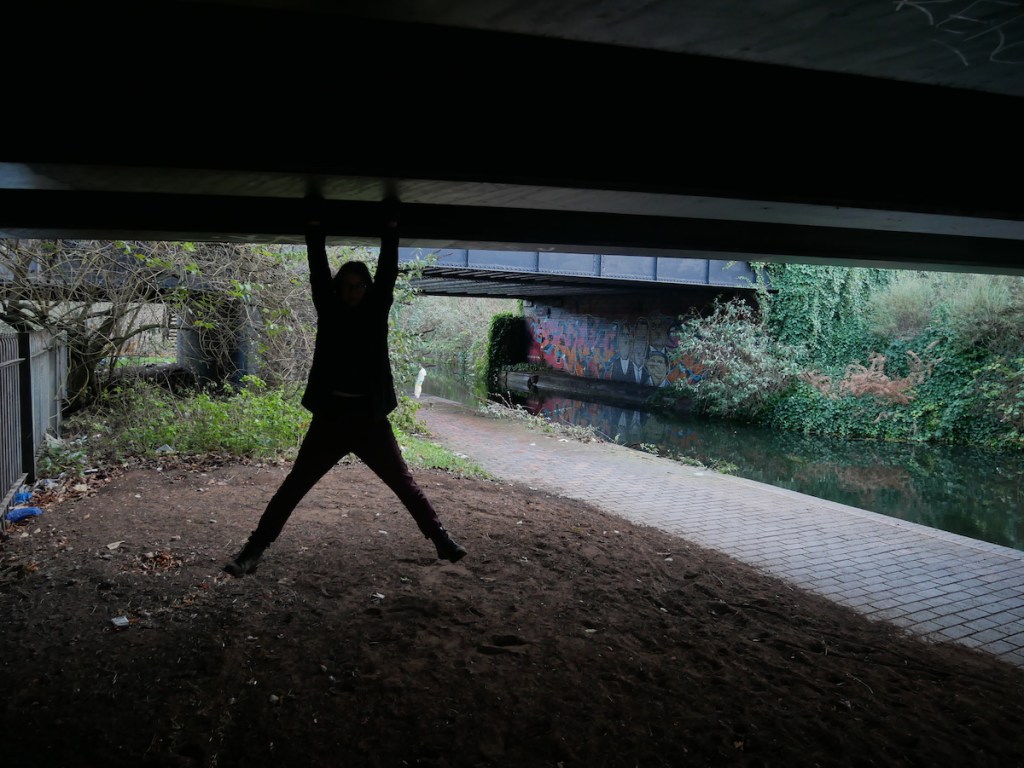
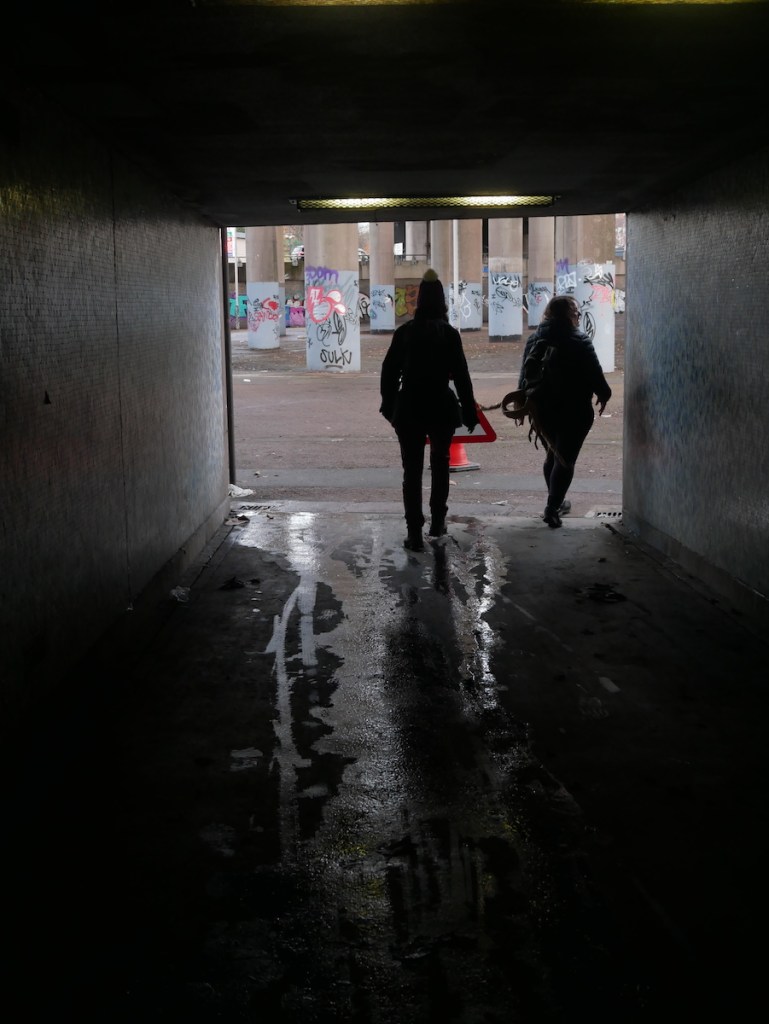
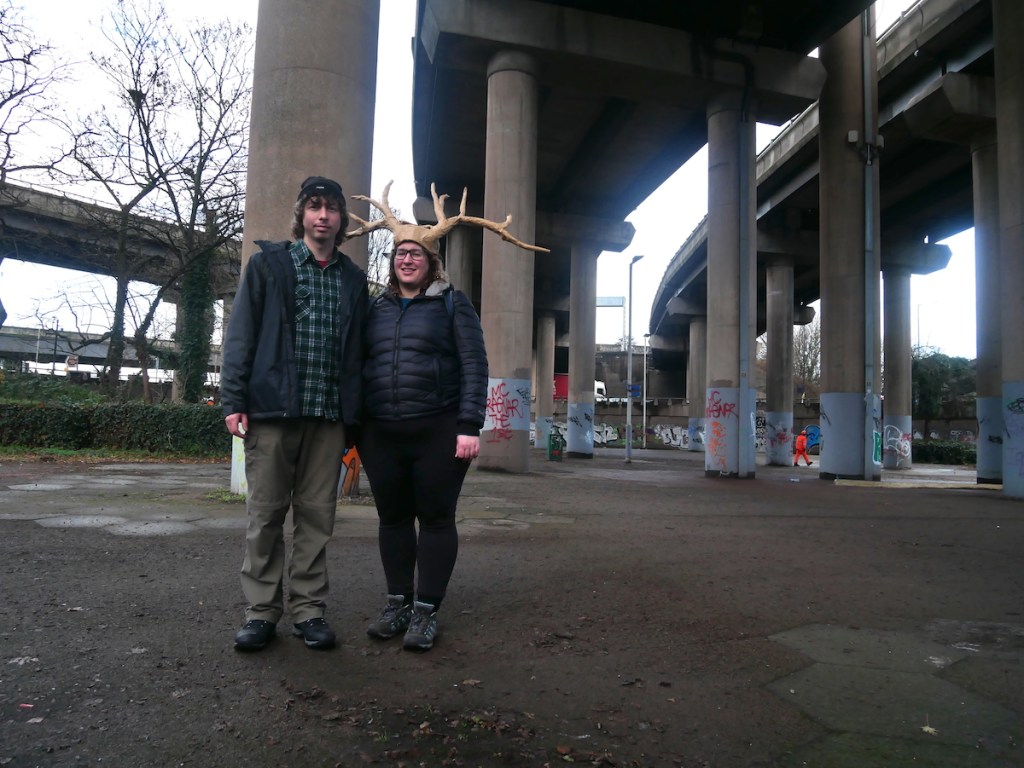
After making our offerings at the altar and enjoying an impromptu singalong, some of us made our way onto the Grand Union Canal and followed the towpath north to Spaghetti Junction for a cup of tea in Salford Circus – a very different type of stone circle.

We hope you enjoy these pictures from the day and here’s to many more Erratics in 2023. It gets lighter from here!

Photos by Andy Howlett unless otherwise stated

Photo: © Charlie Best
Photo: © Roo Hocking
Categories
Posts Walk Reports

The Contraption – A tribute to Nicholas Monro 1936 – 2022

This piece by Andy Howlett was originally written in April 2021 and appeared in Back to the Future, “a forward looking journal about past-futures, modernism, architecture, and town-planning in Birmingham.” Upon learning of the death of the pop-artist sculptor Nicholas Monro it seemed fitting to repost it here in tribute. Every word of it is true and like all great stories it started with a walk…

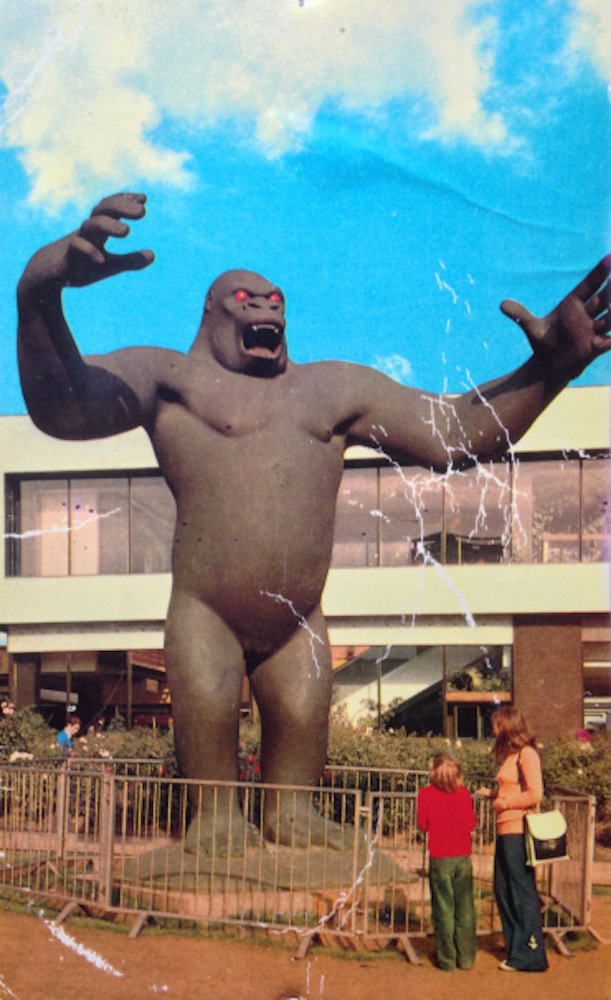
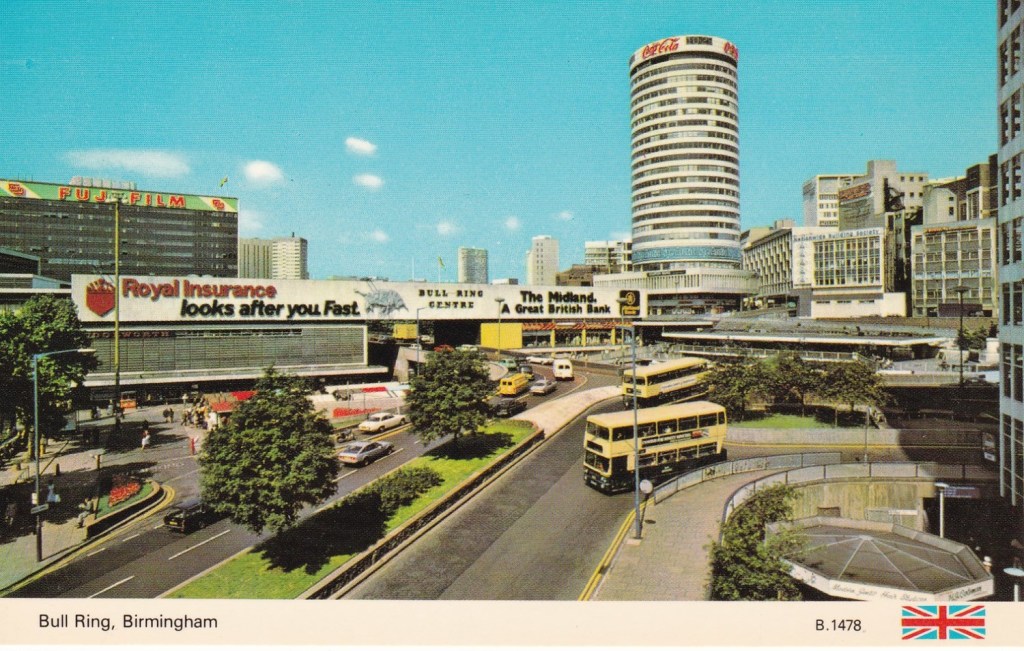
Anyone who’s seen the film King Rocker will know that for a brief time in the early ‘70s, a giant fibreglass gorilla lorded it over the grounds of the Bull Ring shopping centre in central Birmingham. The previous two decades had seen the city rebuilt from the rubble of World War Two in the image of what was then considered the future: soaring flyovers, concrete monoliths, traffic island beauty spots, heroic multi-storey car parks.

“What Birmingham does today, the world does tomorrow”

King Kong watched over this futurescape from the shadow of the Rotunda, encircled by the rumbling flow of the gyratory new road system.

Guardian Spirit

City (dis)oriented

Eighth Wonder of the World

The mighty Kong’s reign however was short-lived. After six months Birmingham City Council sold him off to a second-hand car dealer down the road at Camp Hill. The “City of the Future” swiftly degenerated into a concrete wilderness: the once radiant surfaces became sullied by petrol fumes, pedestrians came to resent their second-class status, and the much vaunted inner ring-road earned itself the nickname “The Concrete Collar”.

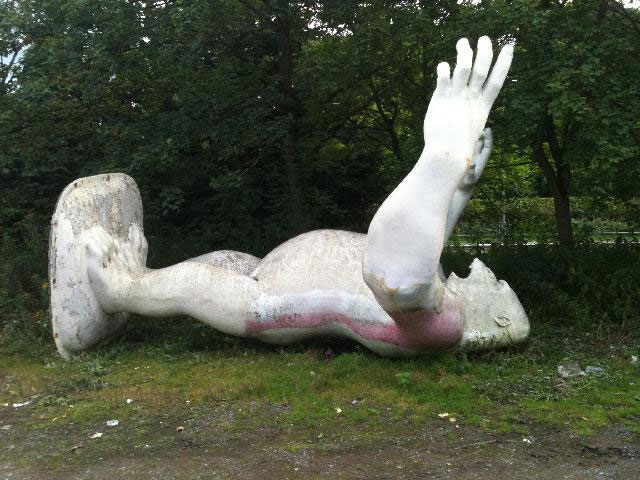
After his stint in second-hand car dealership, King Kong found his way to Scotland, was painted bright pink and displayed in a market, only to be later left abandoned and vandalised in a car park in Penrith.

Photo © fittoprint (CC BY-SA 2.0)

Fast-forward half a century. It’s a sunny May afternoon in suburban Birmingham, the country is in the grips of a deadly pandemic, and I receive a text from my mum:

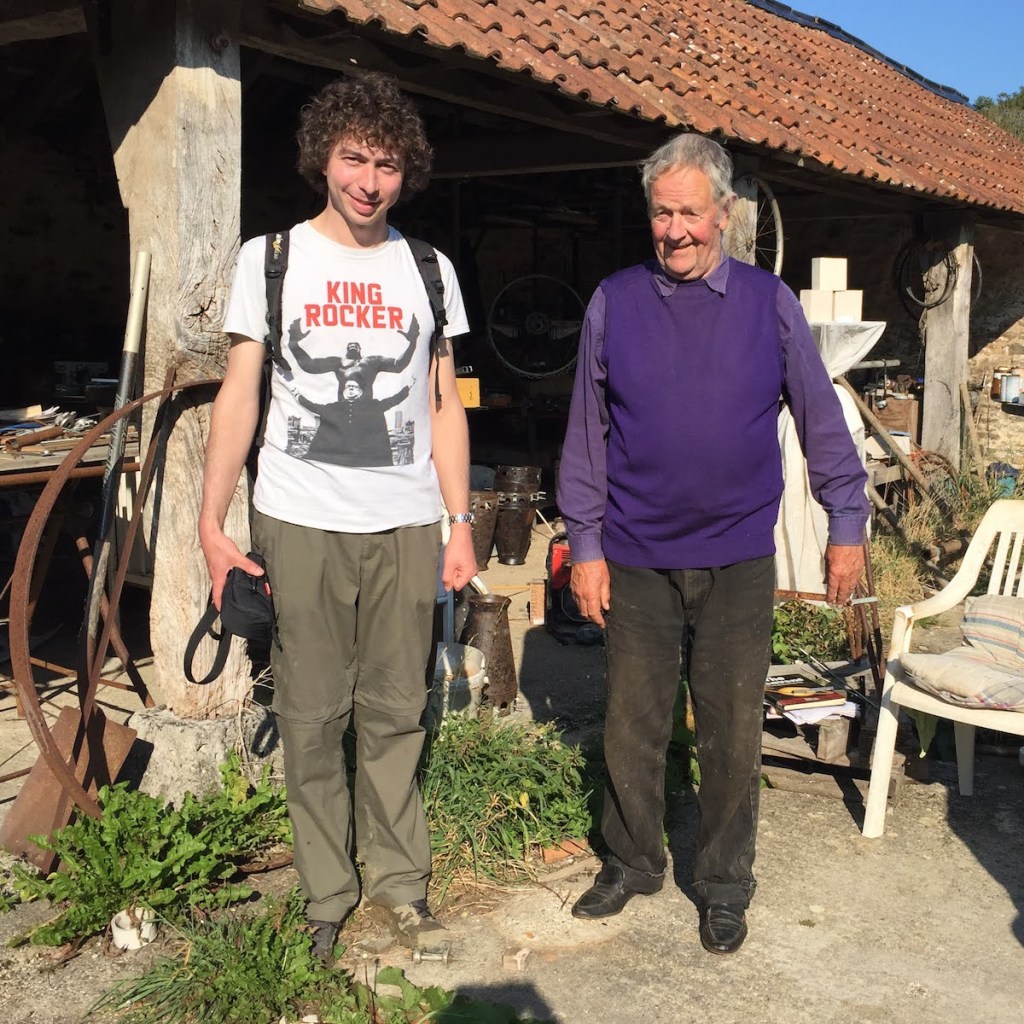
“You’ll never believe this but I think I met the sculptor of King Kong on a walk in the Dorset countryside this afternoon!!! Tony and I were out walking and we came across this remote cottage and we couldn’t tell if it was inhabited or derelict. Then we walked round and saw this elderly man working on a strange object in a half covered shed. He said his name was Nicholas and talked a while with Tony about his invention. Then we came across the local farm shop and they said he had been a sculptor. We looked him up when we got back and are pretty sure he is Nicholas Monro and that one of his creations was King Kong!! How amazing is that.”

I look up from my phone and regard the King Rocker poster on my wardrobe door. The great ape returns my gaze through a pair of fiery red orbs.

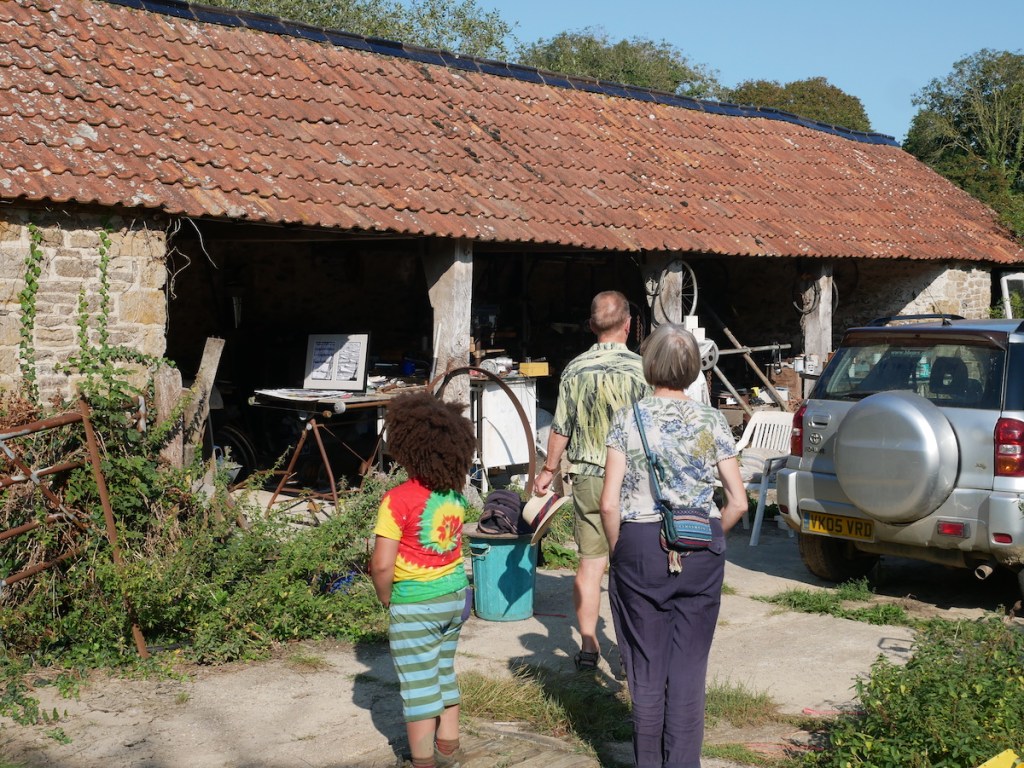
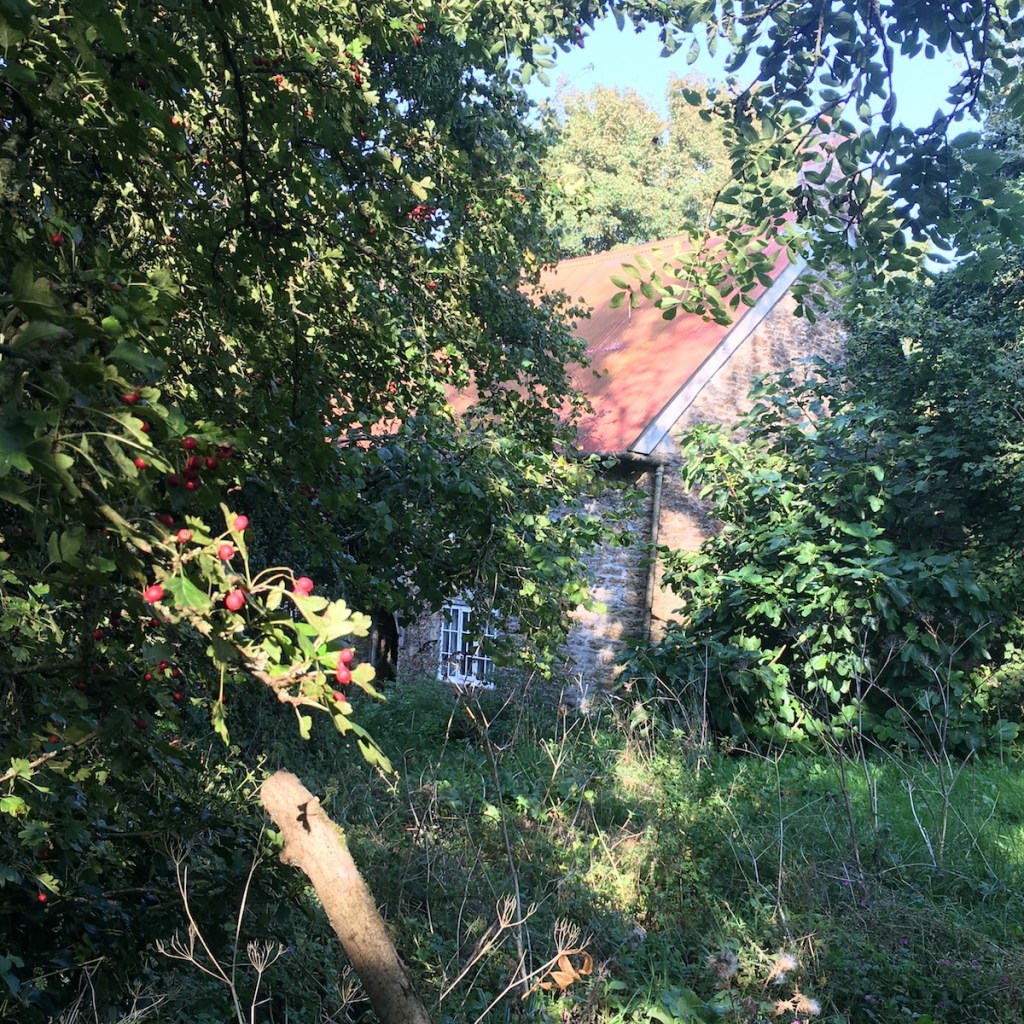
Fast-forward four months. We are walking along a dusty track through the lush Dorset countryside, the site of a lost medieval village. We don’t know if he’ll be home but I have a printed picture of the Kong statue and a sharpie pen, just in case. Anticipation grows as we descend the gentle valley and proceed through a corridor of foliage. Various farm buildings loom up either side of the path, the immense steel and wooden structures swallowed by ivy.

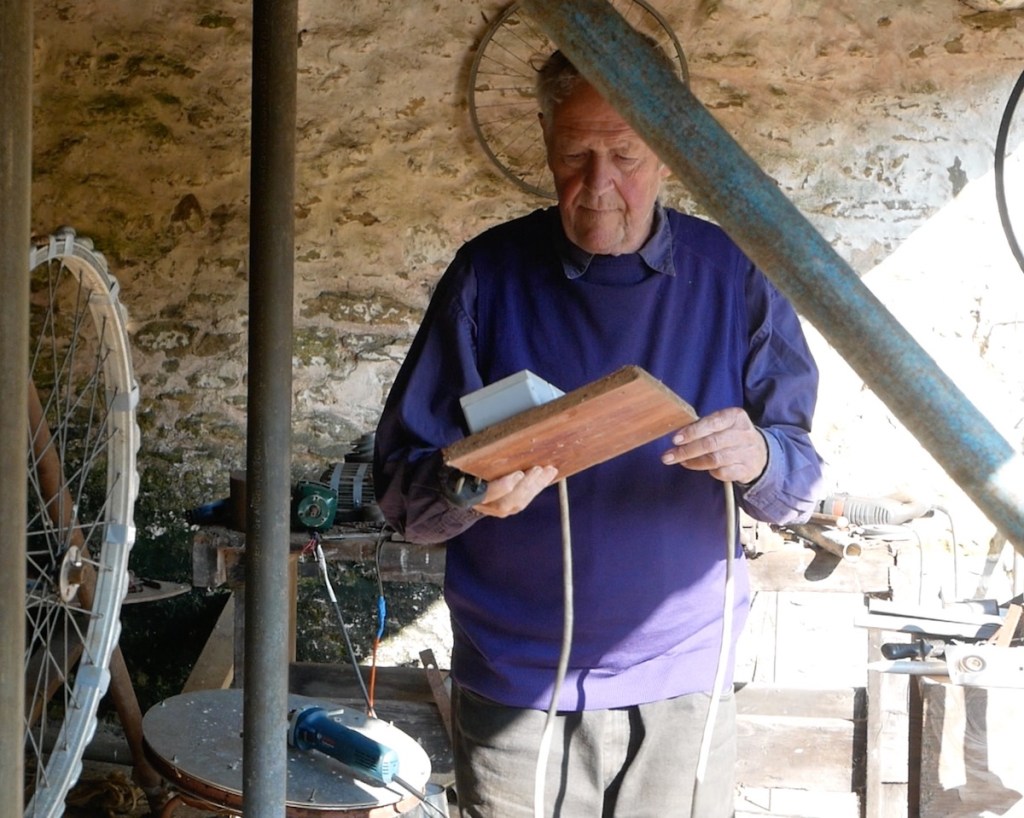
Then we reach the shed; a sturdy structure of stone and wood with a wavy red-tiled roof. One side is open to the world and the contents spill out onto the weed-ridden yard. The vibe is somewhere between a junkyard and a workshop: upturned wheelbarrows, assemblages of rusted machinery, tripod-mounted sculptures including a spindly figure of wire and bone. Other than a lolling tabby, there’s no one here.

Photo © Andy Howlett

“Hello?”

“Is anyone there?”

“Nicholas?”

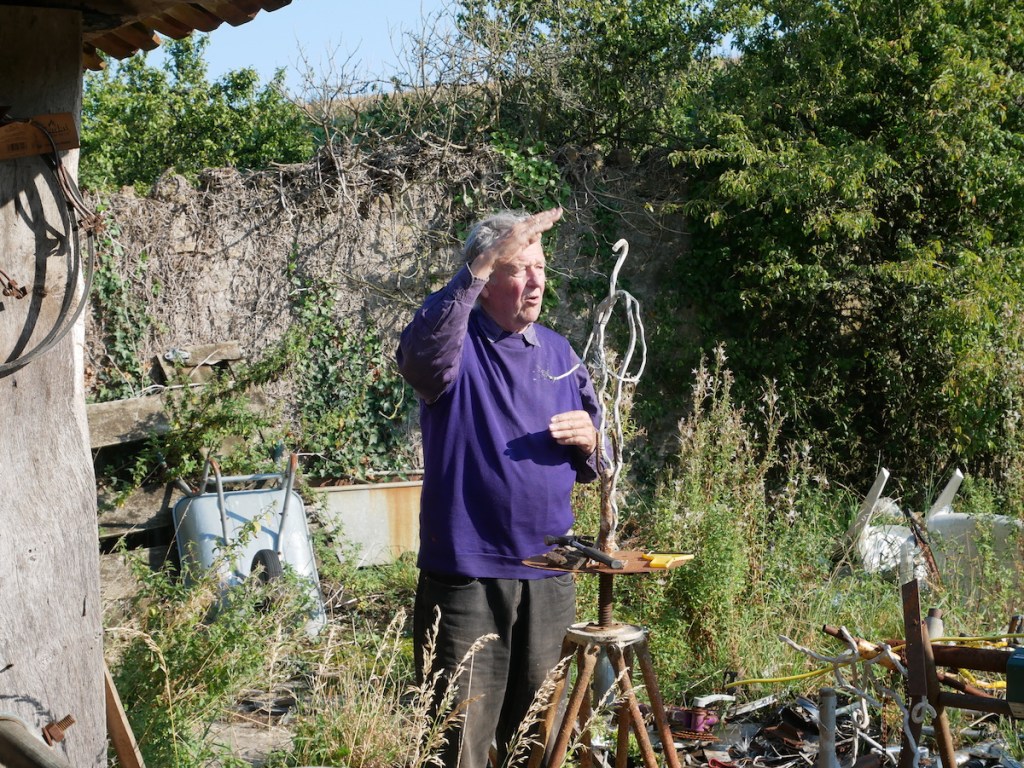
We wait with bated breath, the cottage just visible beyond a sprawling garden. We consider knocking but then he emerges from a track beside the shed in a striking purple jumper and matching long sleeve shirt. We’ve interrupted his afternoon glass of wine but we’re a welcome interruption. He remembers Tony and my mum and is delighted to see that this time they’ve brought company: a ragtag audience. He’s even more delighted and not a little astonished to learn that we know who he is. He sees my King Rocker T-shirt and his eyes light up in recognition of his famous simian creation.

Photo © Andy Howlett

The makers of the film had looked into contacting Monro for an interview but couldn’t get an address and were told he lived off-grid, reachable only by payphone. He tells us about the Kong statue’s critical reappraisal in recent years, how it was rescued from the car park, restored to its original condition and displayed in the Henry Moore Institute in Leeds, star attraction of the City Sculpture Projects 1972 exhibition. He says he wishes he’d known that we were interested because then he could’ve told us about the show.

I take the printout from my pocket and ask if he could sign it for me. This clearly isn’t a situation he’s familiar with – how should he address it? “Dear” sounds too personal.

“To Andy,

Nicholas Monro”

Photo © Tiernan Philpot

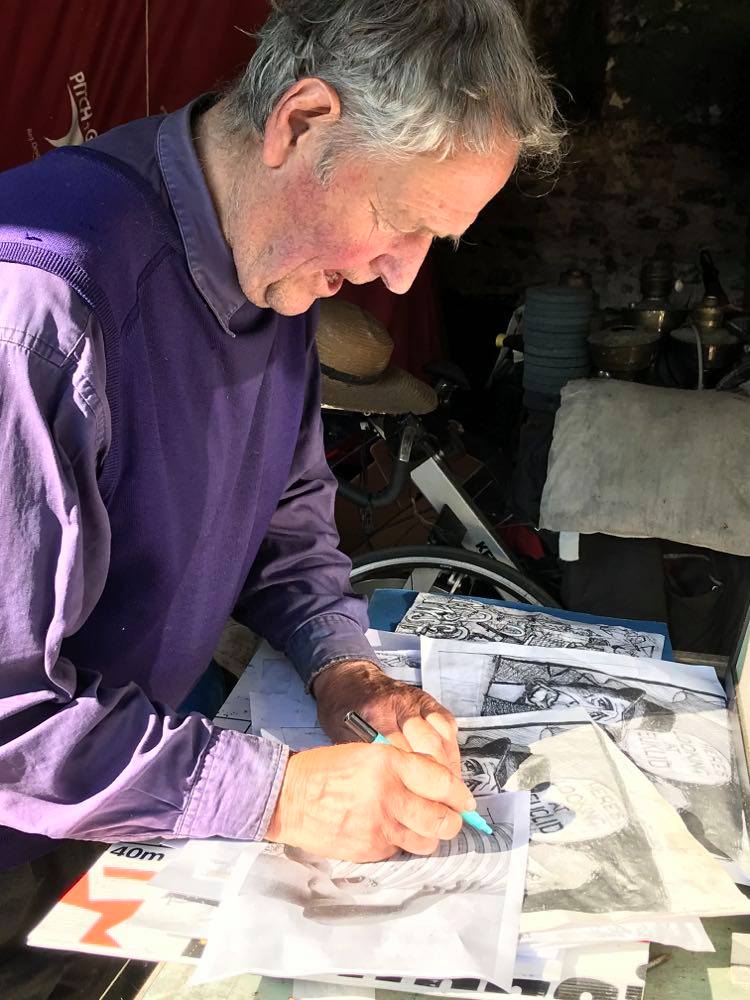
He takes us into the studio-shed and shows us some of his latest ink drawings: a series of comic-book style scenes based on puns of his own invention: “Here’s looking at Euclid”, “Vermeer to Eternity”. He’s considered approaching the art shop in the nearby market town but hasn’t mustered the courage yet.

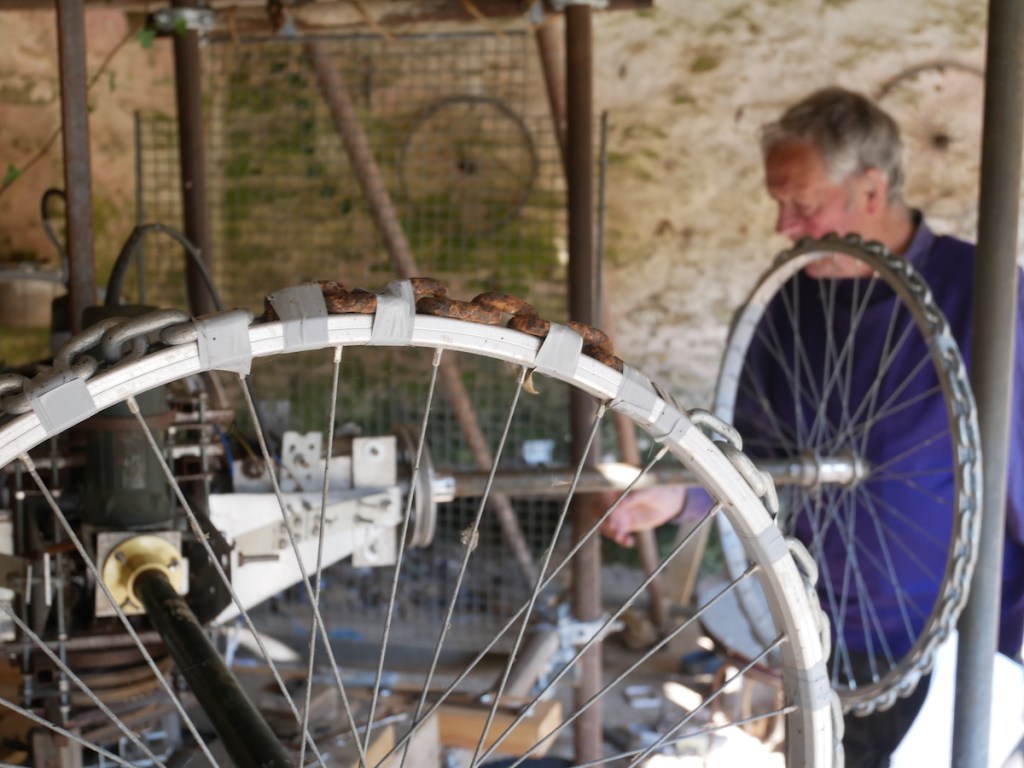
He leads us away from the work-desk towards the grand centrepiece: a work-in-progress he refers to as “The Contraption”. A curious apparatus of scaffolding, breezeblocks and bicycle parts, assembled in a radial configuration with a motor at the centre. It’s immediately clear that this is his true passion project, as he excitedly offers to give us a demonstration.

Photo © Andy Howlett

The generator is located in a small outhouse adjacent to the workshop. He disappears behind the door, starts it up and re-emerges with a makeshift control pad. He turns a dial and The Contraption jumps into life, the bicycle wheels rotating around a central axle in a centrifugal motion, gradually picking up speed. We all take a step back.

He’s at pains to stress that this isn’t the finished thing but more like a prototype. He points to a pile of physics textbooks and explains how when he’s got it just right, the component parts will rotate in such a way and at such a velocity that the known laws of physics will break down and The Contraption will defy gravity. Yes, Nicholas Monro is building a flying machine. Once the basic principle has been demonstrated he’s confident that it will revolutionise the aviation industry, put an end to our fossil fuel dependence, and make flying cars a reality.

Photo © Andy Howlett

He says that while he’s done his best with the skills he has, what he really needs is an engineer and some decent kit. He’s contacted the physics departments of different universities to tell of his innovation but none have been willing to take him seriously. “They think I’m a charlatan,” he tells me, “I don’t mind really but given the choice I’d rather be thought of as a fool than a charlatan.”

By now The Contraption has picked up quite a bit of speed and the youngest member of our group asks excitedly, “is it going to fly?” to which Nicholas replies with a chuckle, “no it won’t now but it will someday… because I say it will.” Following the demonstration he bids us farewell and tells us we can come and visit any time we like. We promise we will and continue our walk in the scorching late summer sun.

Photo © Helen Burgess

It’s 2021 now; King Rocker has premiered on Sky Arts to great acclaim and Birmingham tentatively looks ahead to a post-pandemic reality. In a time of such uncertainty, when so much has been lost and so much may never return, it’s comforting to know that somewhere in deepest rural Dorset, a kindly elder is keeping the future alive.

Photo © Liz Howlett

Many thanks to Joseph Lilley at The Holodeck for permission to republish

Categories
Posts Walk Reports Walkspace Erratics

Walk Report: The Wandering Rocks

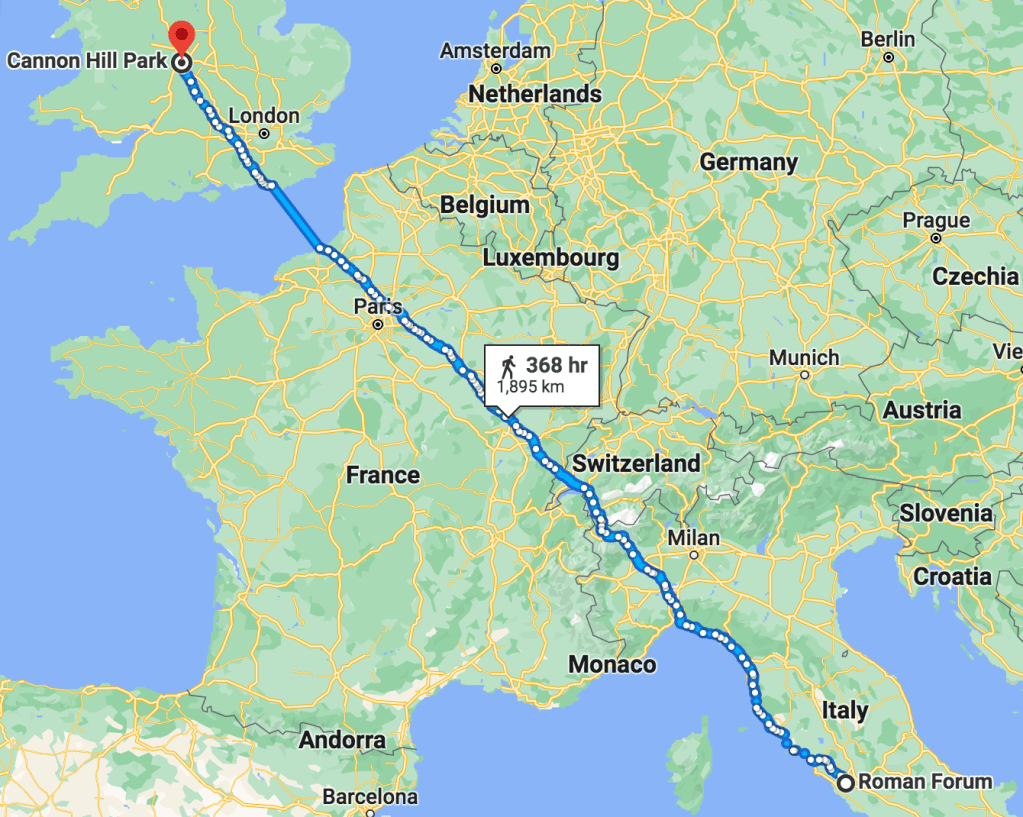
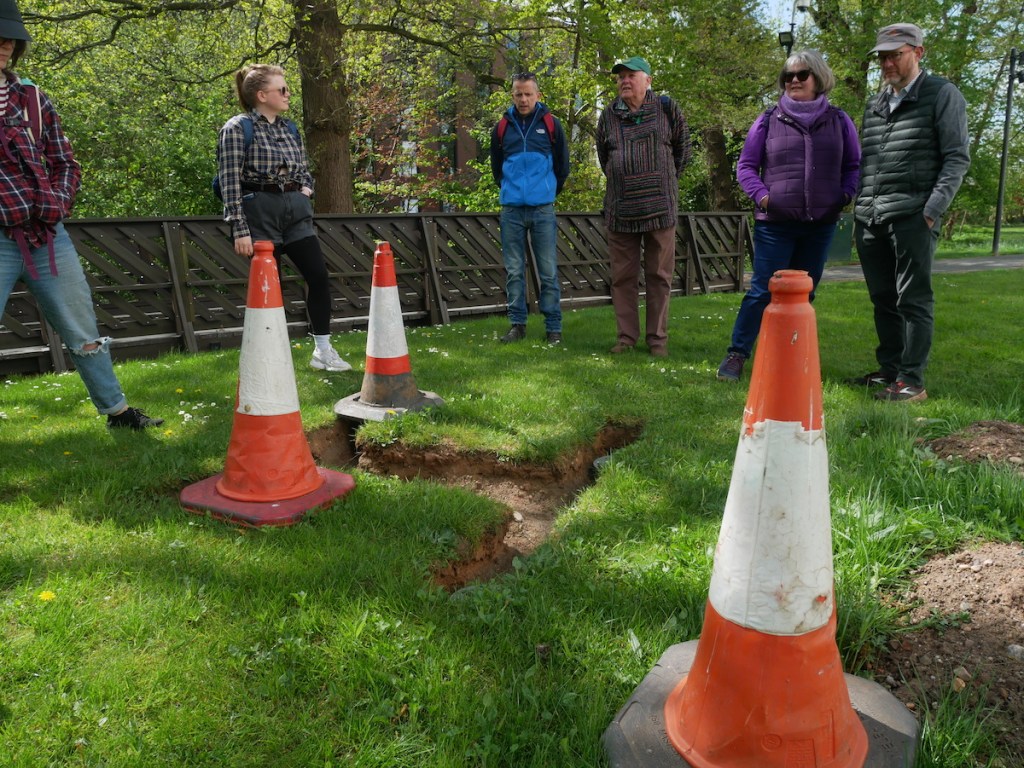
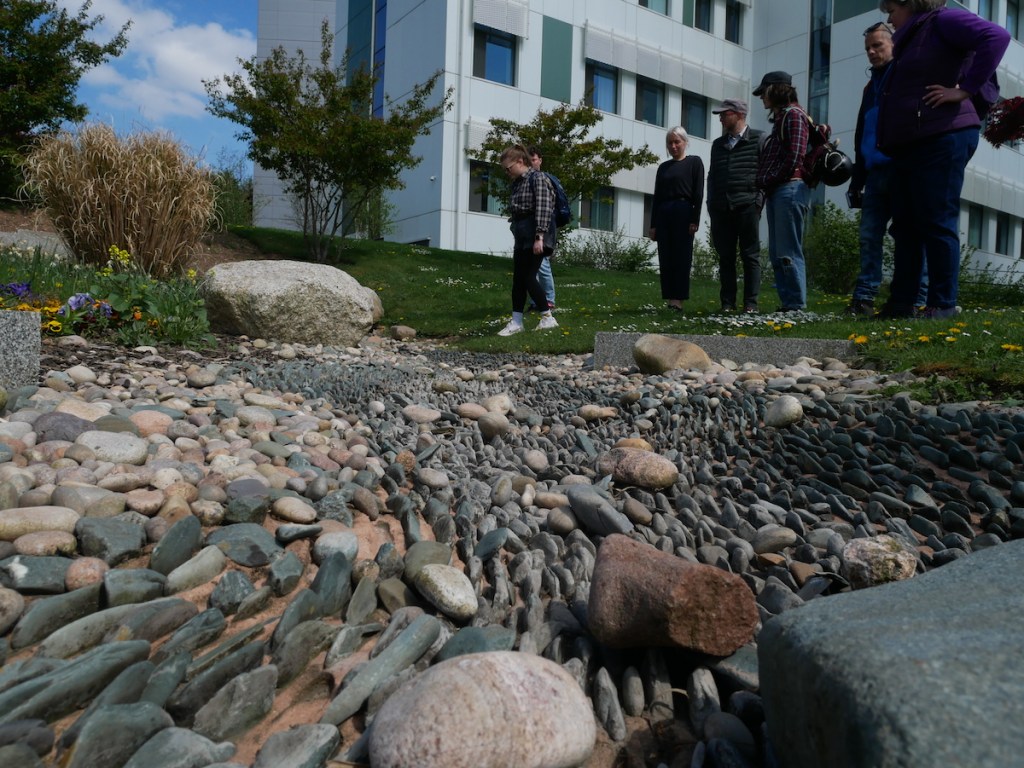
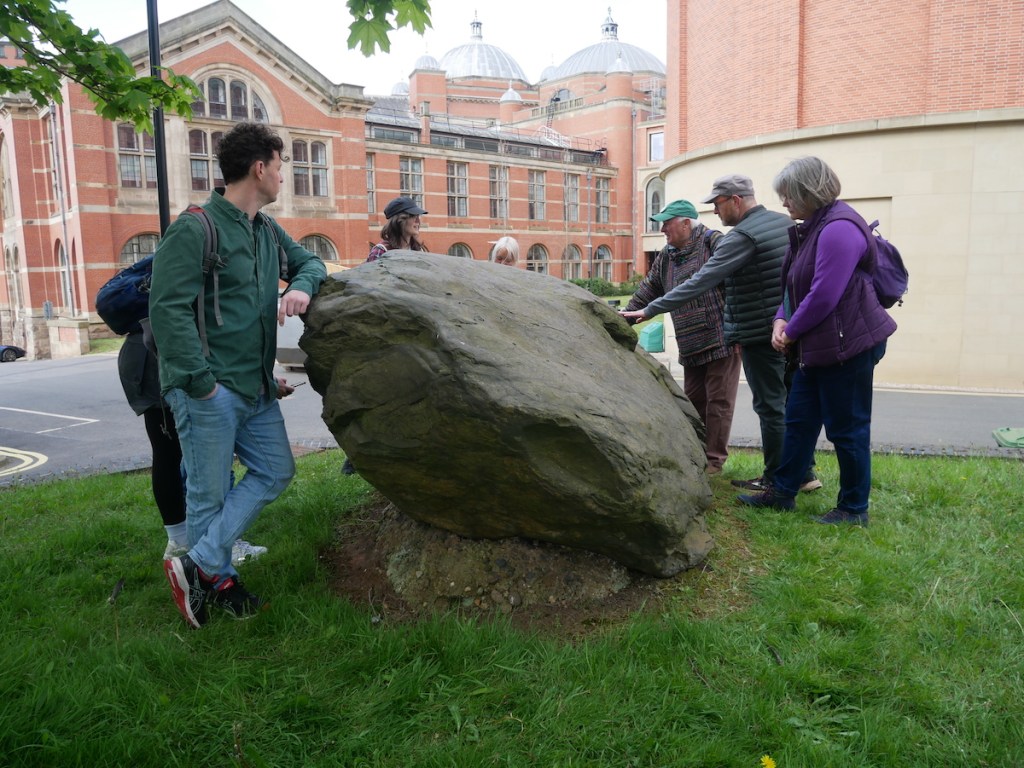
We relaunched The Walkspace Erratics last Sunday with a delightful springtime boulder hunt. We took the name “Erratic” from the glacial erratic boulders which were deposited across the region in an ice age 450,000 years ago. Robson and Andy felt it was time to pay tribute and so devised a walk from Cannon Hill Park to Selly Oak Park via The University of Birmingham.

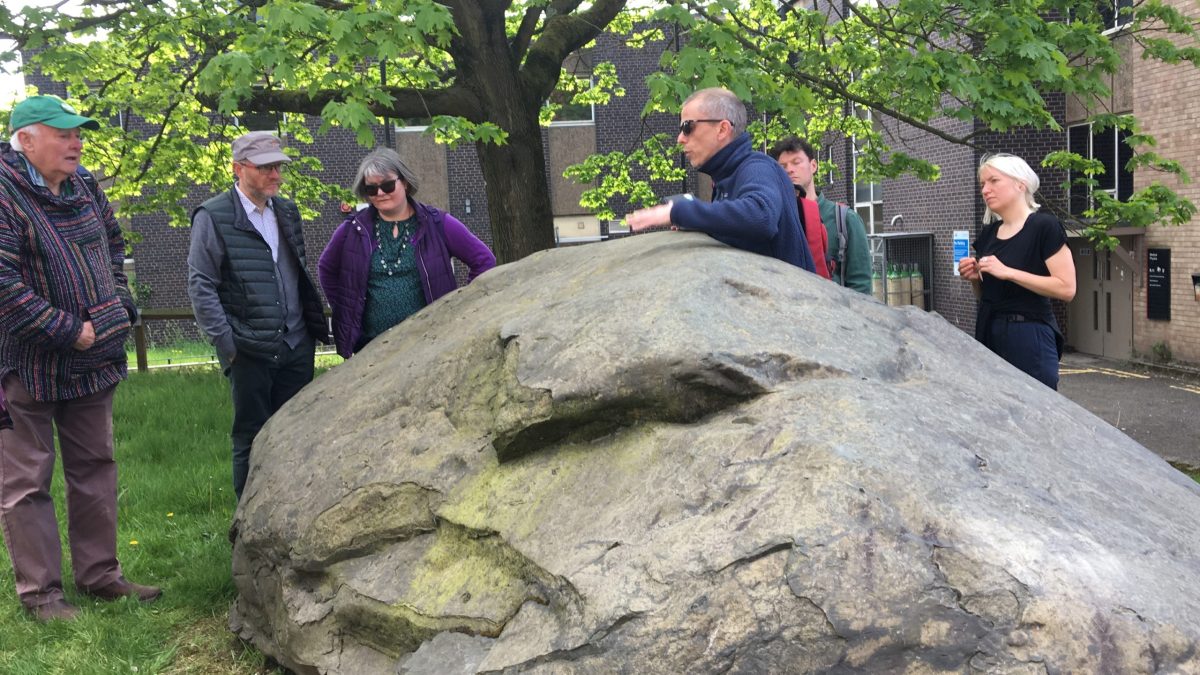
The boulders were formed in a volcanic eruption 450-460 million years ago and later travelled from the Arenig mountains in Wales to the West Midlands on an ice sheet. Eons passed, the ice retreated and the boulders now litter the alien shores of 21st Century suburbia. They can be found lurking in parks, graveyards, roadside verges, beer gardens and hidden in walls and buildings.

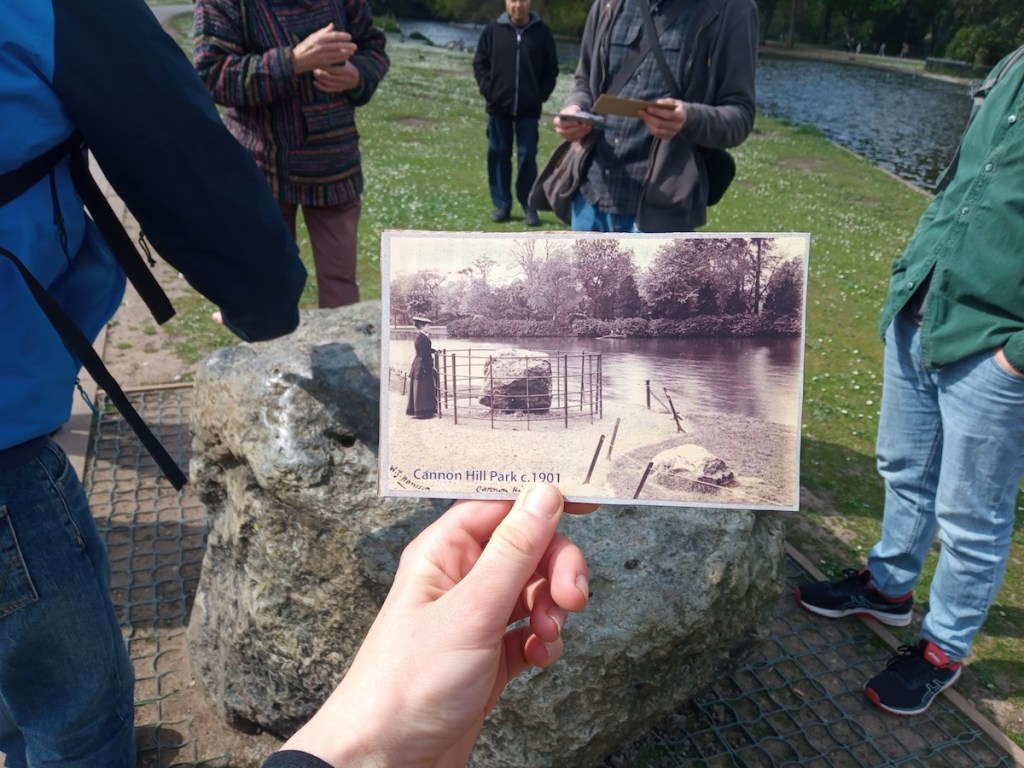
The word “erratic” comes from the Latin errare meaning to wander, roam or stray. The restless rocks are still on the move: many have disappeared since the great age of discovery in the 19th Century. The picture below shows the Cannon Hill Park boulder in 1901 and beside it is another, smaller boulder. The main boulder remains but its little cousin has upped and left. Forget Paris, the original flâneurs are here (for now).

Photo © Katy Hawkins

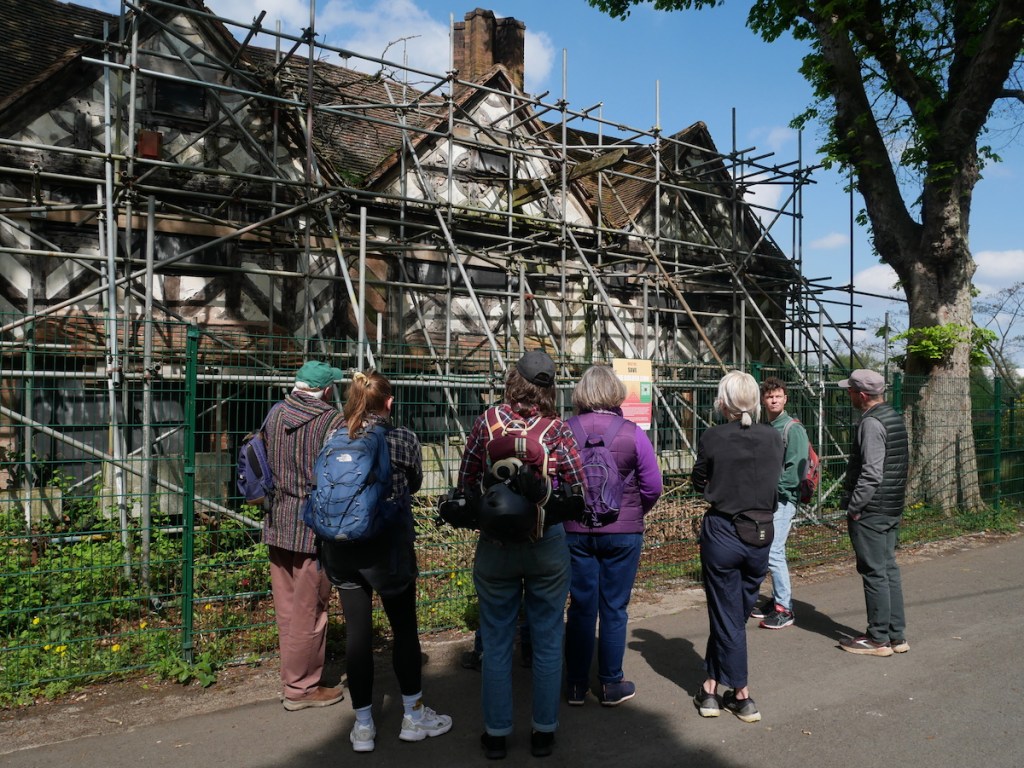
The concept of “roaming heritage” doesn’t just apply to boulders though; Cannon Hill Park also contains erratics of a very different kind. The Golden Lion Inn hasn’t travelled quite as far as the boulders but it has moved further than most buildings are likely to. A rare 16th Century survivor, it originally stood on Deritend High street, two miles away. In 1910 it was dismantled and removed to make way for a road-widening scheme and then re-erected in its current location and used as cricket pavillion. It was listed in 1952 and then left to fall to ruin. The support scaffolding is now as much a part of the building’s heritage as the C16 timbers.

Photo © Andy Howlett

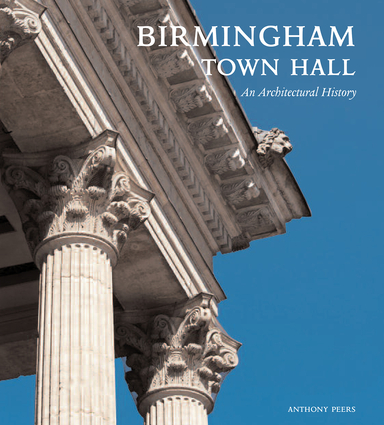
A few hundred yards away, beyond the crazy golf course, you’ll find two more “erratics” hiding out as flowerbed ornaments. These ornate stone structures are in fact spare parts from the Town Hall in the city centre. They’re called capitals, ie. the bits at the tops of columns, as seen here on the cover of Anthony Peers’ book.

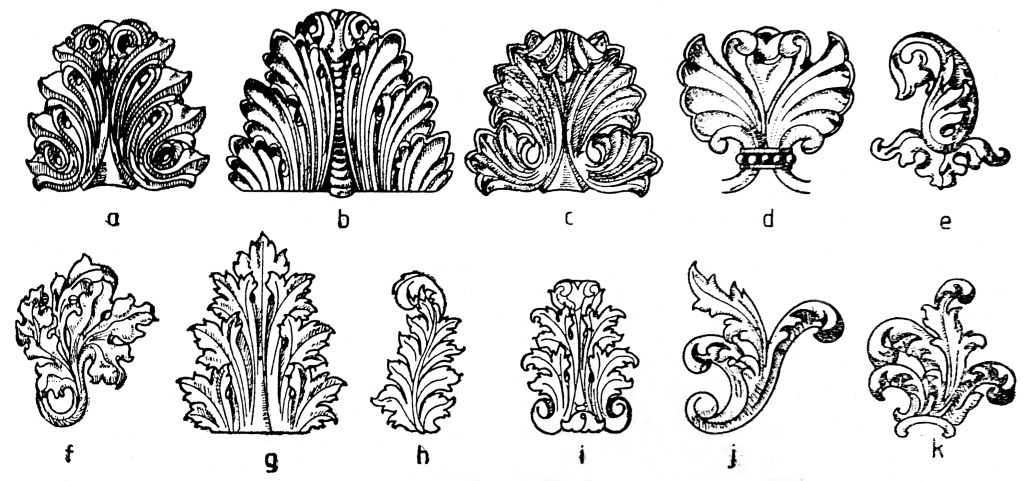
The capitals may have only travelled a couple of miles but the Town Hall itself is a copy of the Temple of Castor and Pollux of ancient Rome. The leaves in the design are acanthus, a genus native to the Mediterranean and one of the most commonly occurring motifs in classical architecture.

To quote Crab Man: “Once you become sensitive to these ‘erratics’ you will begin to navigate a landscape from which such anomalies, large and small, repeatedly pop up.” (Counter-Tourism: The Handbook, 2012, pg 137)

Photo © Andy Howlett
Photo © Katharine Wade
Photo © Andy Howlett

The boulders cover far more ground than we were able to in a single day so there are plenty left for future walks. Stay tuned for more boulder action but in the meantime we hope you can join us for our next Erratic, a pilgrimage to Spaghetti Junction with Flatpack Festival on May 22nd.

Categories
Interviews Posts

Andy Howlett interviewed for Talking Walking podcast

A couple of weeks ago Andrew Stuck came to Cannon Hill Park in Birmingham to interview me for his excellent Talking Walking podcast. We talked Walkspace, filmmaking, “extreme noticing”, erratic boulders and the upcoming Parallel Walking exhibition. We saw a kingfisher, a miniature model of the Elan Valley Reservoir and I gave some suggestions for creative walks that listeners might like to try out themselves. Many thanks to Andrew for a very enjoyable walk and talk! Listen here.

Photo by © Andrew Stuck
Categories
Walk Reports

Crimbo Limbo lake visit

I have a map of Birmingham on my bedroom wall that I consult when looking for places to explore. At some point towards the end of the year I noticed something that caught my attention: a blue blob inside a green blob. The blue blob was labelled “Edgbaston Pool”. It appeared that there was a significant body of water a short cycle from my house that I had no idea existed. It’s been quite the year for local geographical discoveries so this seemed like the perfect way to fill one of those purposeless, indistinguishable days between Christmas and New Year (much like all the other days at the moment).

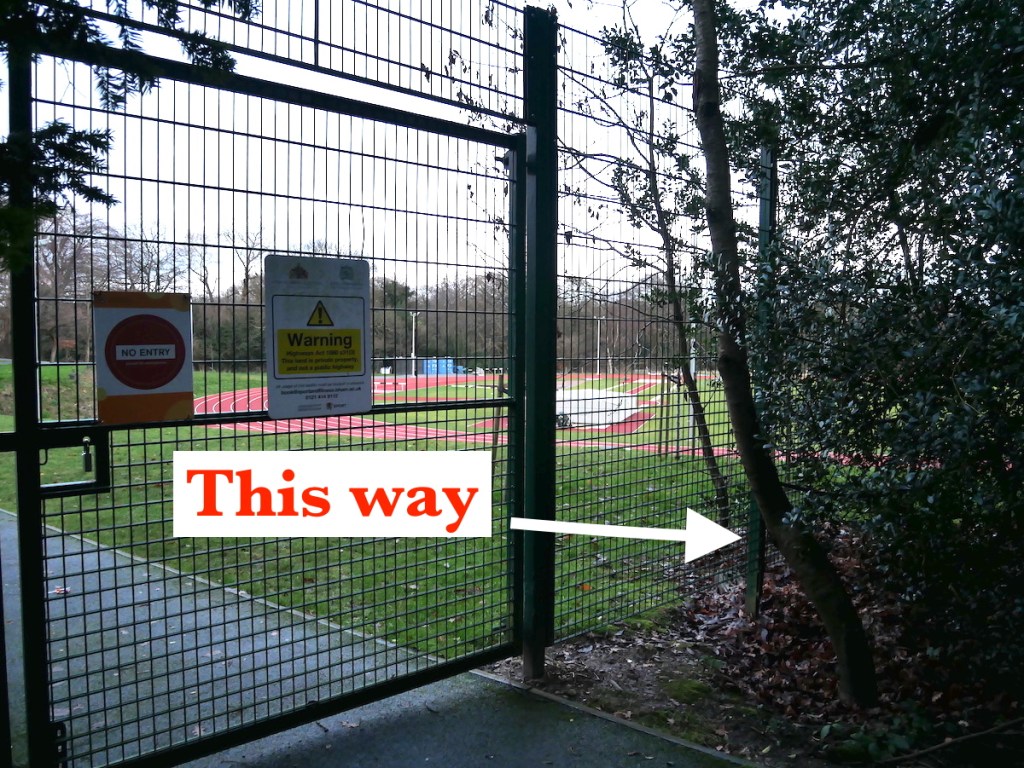
The reason I didn’t know this lake existed is because it’s surrounded on all sides by private property and there’s no clear way in. Luckily a friend tipped me off that you can gain access via a running track so once I’d located that I was good. She also said that the secluded nature of the pool makes it a great spot for wild swimming. Alas I hadn’t packed my trunks and I didn’t have a pound for the lockers. Maybe next time.

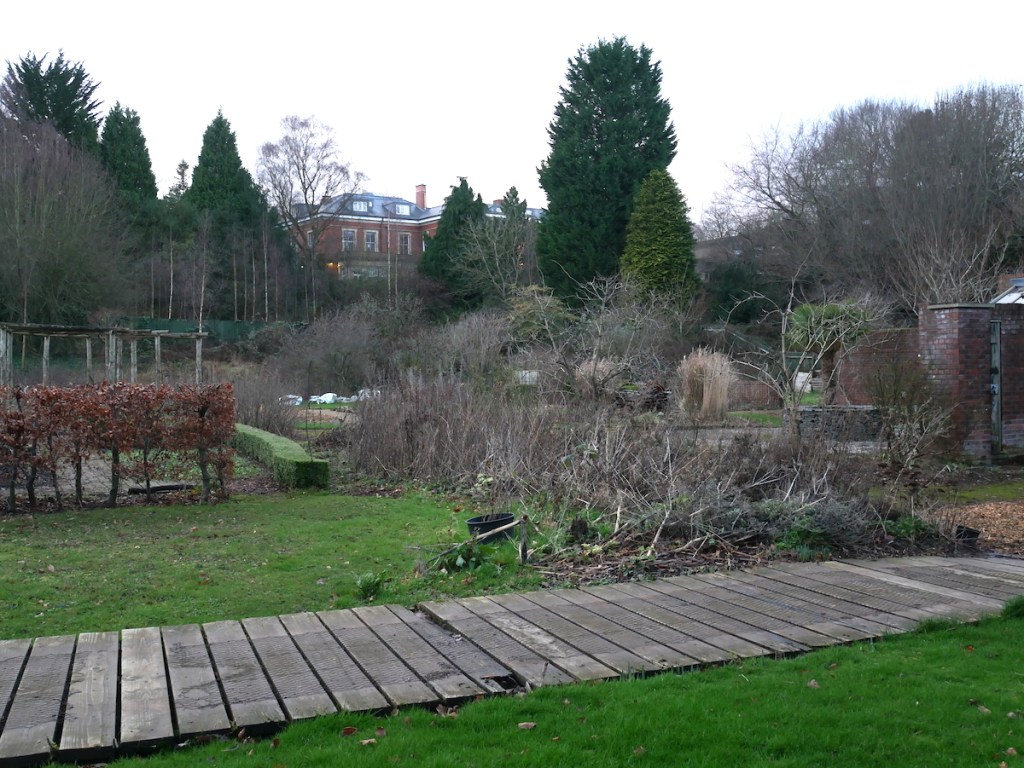
I soon lost track of whose land I was on and wondered a couple of times if I was heading in the right direction. At one point I thought I might have stumbled upon the abandoned BBC garden that they used to film Gardner’s World in. It certainly had the vibe of an abandoned BBC garden but having never seen the show I can neither confirm nor deny this.

Gardeners’ World fans – look familiar?

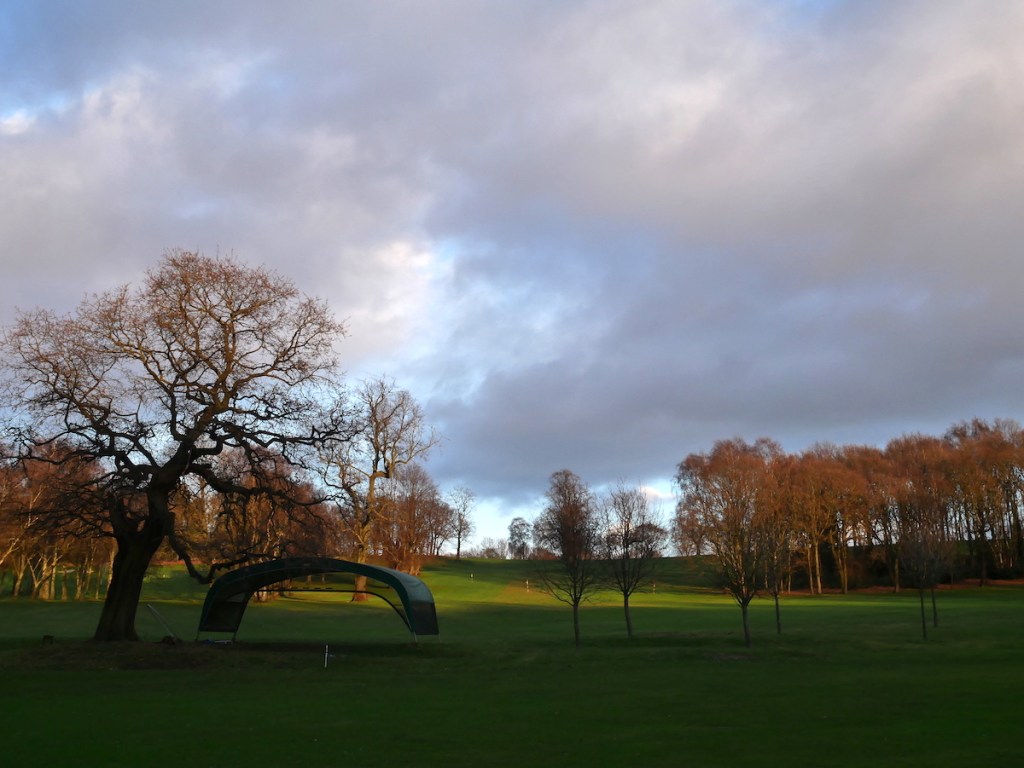
I knew from the map that the lake was on a golf course so once I started noticing golf balls in the undergrowth I knew I must have been getting warmer.

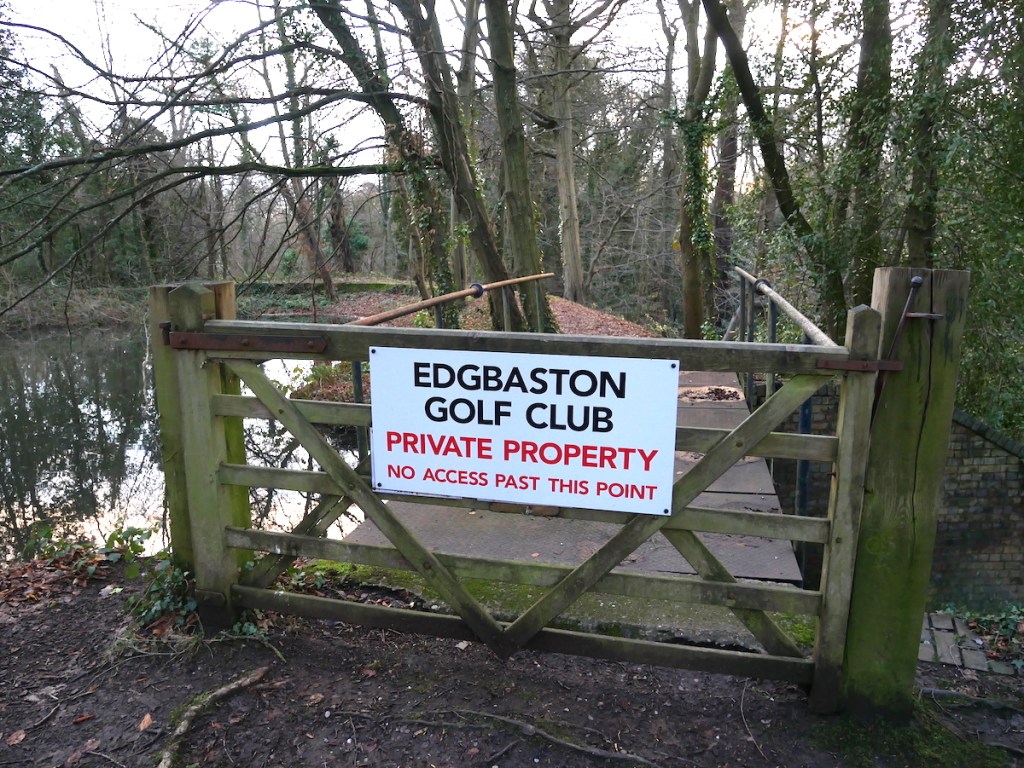
Technically I’m not allowed to be on either side of this gate so what does it matter?

Before the golf course this area was part of the landscaped gardens of Edgbaston Hall which still stands and is now used as the golf clubhouse. The current Hall was built in 1718 after Richard Gough purchased the estate, enclosed the park and stocked it with deer for hunting. The gardens were laid out by Capability Brown in 1776.

As I passed through the grounds to get a view from the east bank of the lake I noticed three men walking roughly in my direction. In my experience golfers are among the most ferocious defenders of private property so I braced myself for a confrontation. As they got closer though I saw that they didn’t have any golf “stuff” and they passed me by without a word. Perhaps they were just looking for the blue blob too?

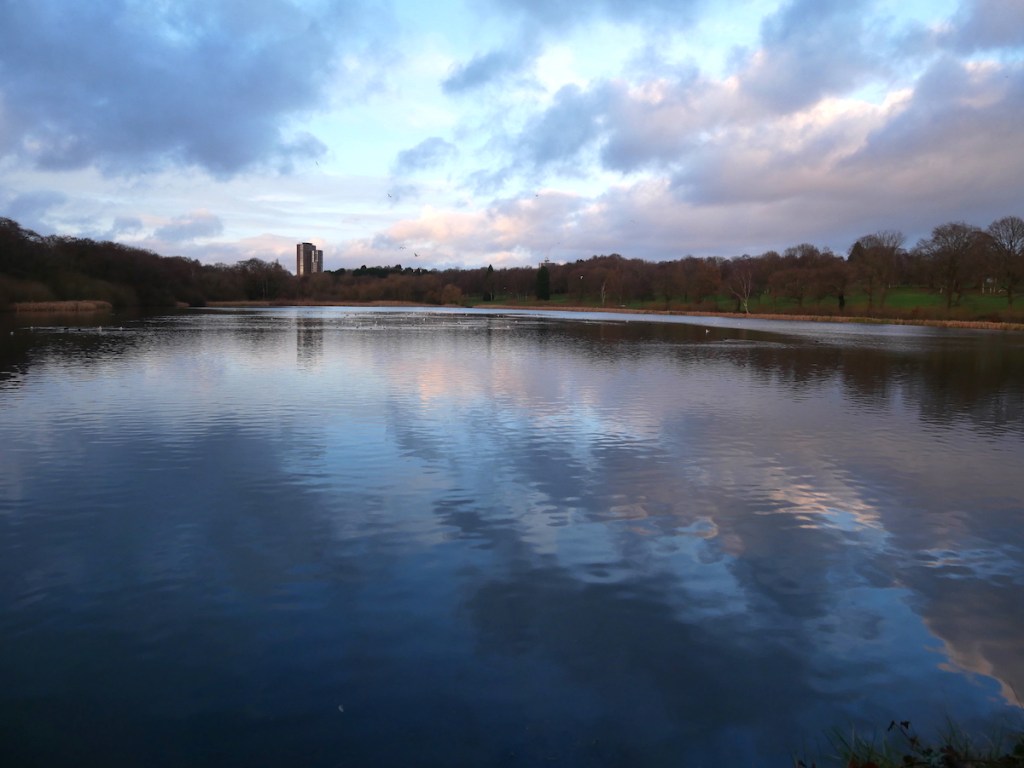
The blue blob.

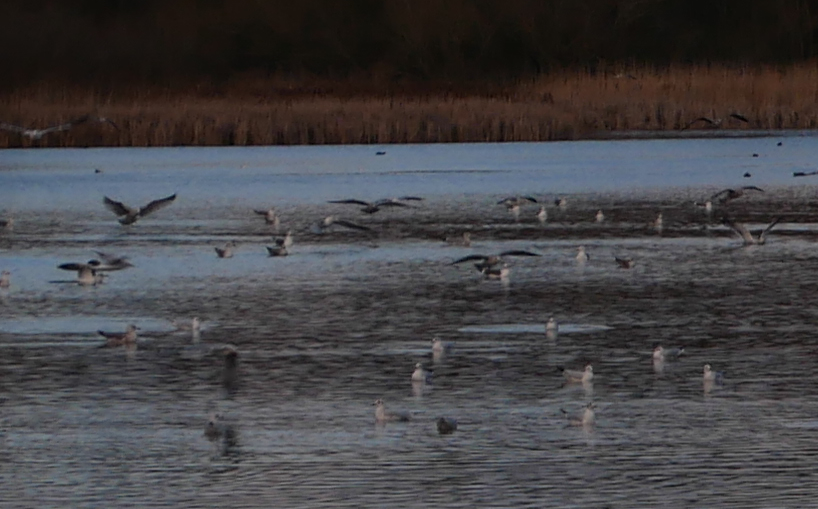
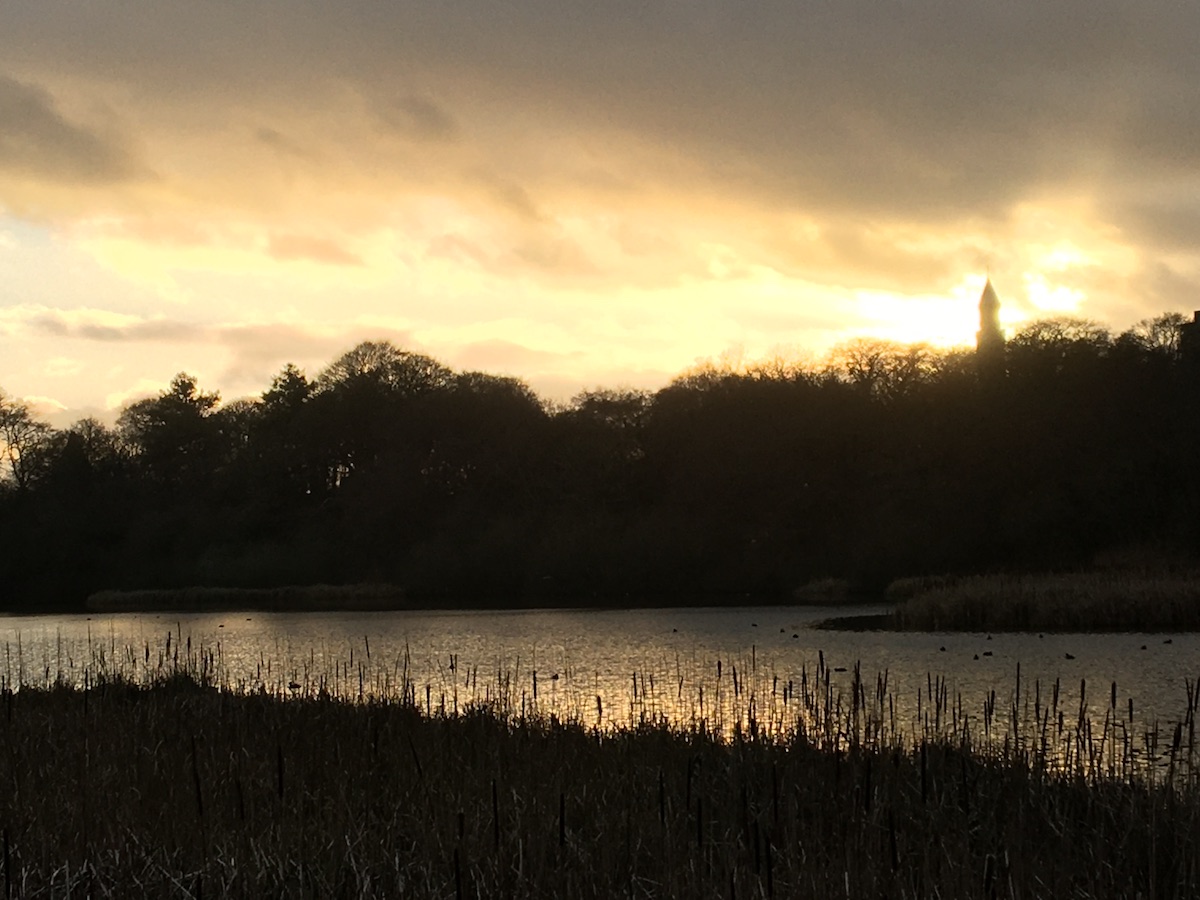
Edgbaston Pool was formed by the damming of the Chad Brook to power a water mill once used for blade making. It rests atop glacial sands and gravels overlying Keuper sandstone formed in the Triassic period. In 1986 it was designated a Site of Special Scientific Interest and is home to a vast array of birdlife including grebes, reed warblers and woodpeckers. I for one have never seen so many coots and gulls.

There are still deer to be found here too: muntjacks descended from escapees from Woburn Abbey, originally brought over from China in the early 20th Century.

Image courtesy of Jacob Williams

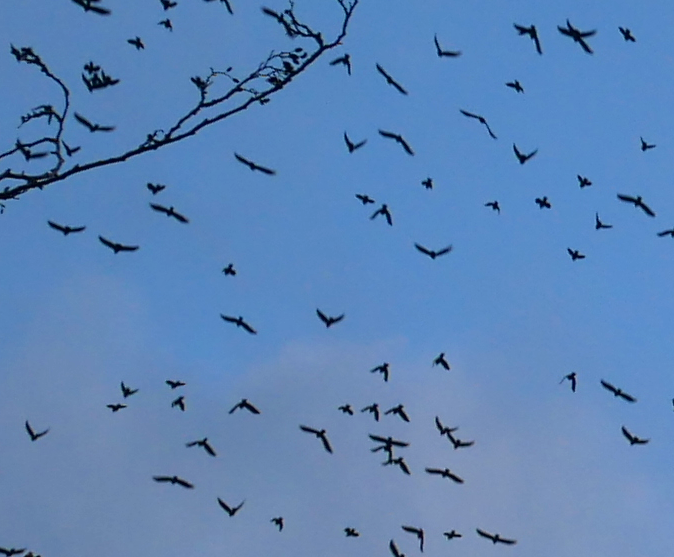
As dusk descended and I started to think about making my way home, a deafening avian chatter rose from the trees behind me and as I stood aghast, a vast murmuration of something or other billowed out of the canopy and spilled across the lake, eventually coming to rest in the oaks and birches on the far side.

Anyone want to come back in the spring for a dip?

UPDATE: It’s been confirmed that the mystery garden was indeed the former filming location for Gardener’s World.

I’ve also been informed that the “murmuration” I saw was most likely comprised of jackdaws, meaning it would more accurately be described as a “clattering”.