Categories
Inspiration Posts Walk Reports

“This is Water” extract – Stourport to Worcester along the Severn Way

In late-August 2022, I took a walk with my good friend James Glover from Worcester to Stourport-on-Severn. The twelve-mile walk replicated the Saturday bus journey I would take each week as a kid with my mom and my brother to visit my grandparents. A year to the date, I decided I would close the loop by walking in the opposite direction, taking the pathway from the amusement park in Stourport and along the Severn Way in the direction of the city. The following is an extract of a new piece inspired in some part by that walk.


Taking another photo, now, of a sign pointing confidently in the opposite direction to the orange horizon image still on my phone from last year, and to the Bewdley walk I took only two weeks ago. I drop the image into the Walkspace WhatsApp group.
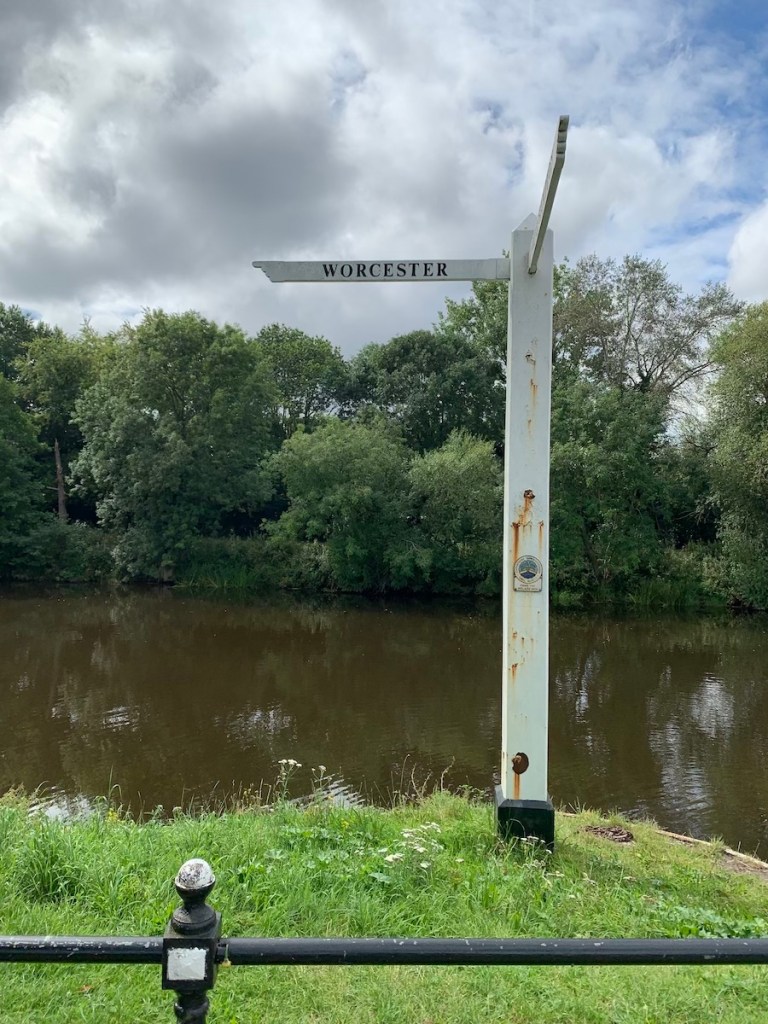
Stourport to Worcester along the Severn Way.
Dodgy knee has decided to make an appearance but hoping it holds up.

Strike out, buoyed by the returning messages, best wishes and good lucks, from the members of the collective. I have only recently joined and it’s the first time I’ve thrown one of my walks into the chat. I am also flying solo. No James to rely on with his astute way of nudging a narrative out of a landscape, a necklace of interconnected stories and historic points of interest. No Ben either to lean ideas against, emotional ballast against the spectres of the past. I’ll have to do it myself.

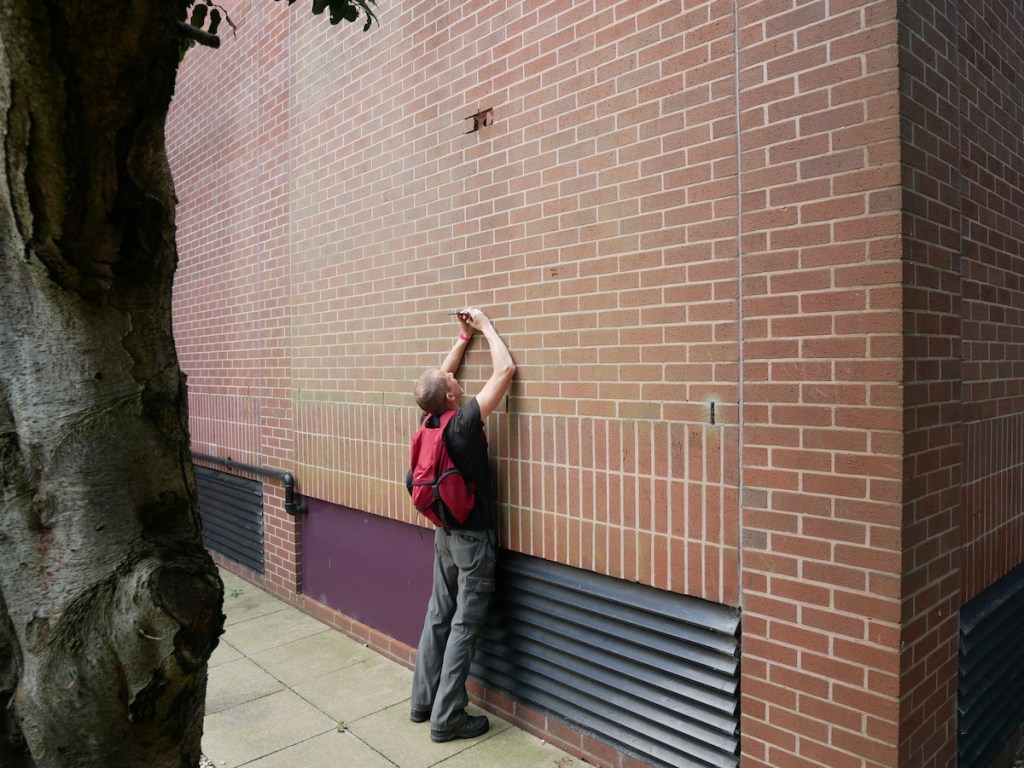
Beyond the lock at Stourport, and the first small indication of the crude potential of this walk. A wall, where a series of bricks have been marker pen inked, a kind-of mind map of contemporary conspiracy theory, with accompanying links to YouTube. I take the customary photo and send it on to Ben.

Good start to the walk, eh?

The Severn rolls its way along to my right, a thick brown soup boiling a watery pathway between two muddy verges. I dip under a canopy of trees, leaving in my wake an old factory which would once have been the operational headquarters of one ‘T. P. Activity Toys’, manufacturers of plastic slides and playhouses and other colourful pre-school play equipment. Now though, the name of this former fun provider is in a state of manic disarray, its erratic pattern of letters arranged along the river facing flank, giving the overall impression of someone having shaken up a bag of Scrabble squares and thrown an indeterminate handful at the wall. ‘Countdown’ for the Late-Capitalist.
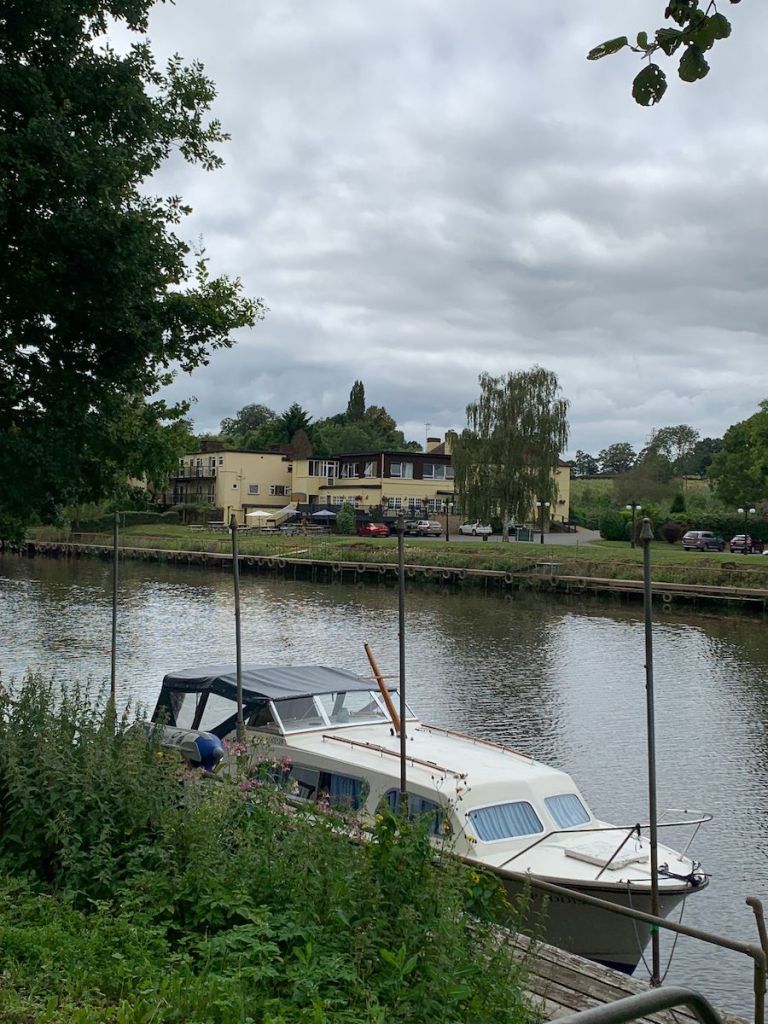
Half hour in and I hit the first in a series of caravan parks, but where one might expect to discover flashy, gleaming static units, I find a graveyard of grubby, green and brown cuboids, their axles propped up by a tower of slate grey breeze blocks. The atmosphere of the place is rural-American. Ranch-like. It’s curiously unpeopled, too, like the abnormal pastoral landscape of the walking simulator ‘Everybody’s Gone to the Rapture’. I imagine a golden orb of light drawing me through this awkwardly arranged pop-up village to a site of past memory. Light striking into form. Human. Voices revealing themselves like ghosts in the air. I imagine being treated to some crucial crux point in the narrative, brief, charged, voices becoming light, fading away back into orbic form as Jessica Curry’s soundscape, all cello and oboe and choral verse and soaring, textured emotion transforms the landscape into something other, something peopled in an entirely new sense. I imagine peeling off back to the river’s edge in search of the next trace of the narrative jigsaw, piecing together the ‘what happened?’, the ‘why did everyone leave?’ and the ‘where the fuck did they go?’

There are more macabre tales that could be motioned toward in this place, too. Stories entirely in line with the current, insatiable desire for true crime documentary and podcast serial. I’m not immune to this either, capitulating to the mental ‘what if?’ of this already weird encounter with place. Three or four thrillers start writing themselves in my mind. Detective stories without a detective. Think Claudia Piñeiro in the rural English Midlands. Some sad bod searching for another lost soul. The criminal, the perp, or at the very least, the fingered suspect twitches a mucky net curtain, the ripples of their watch caught for a second by the protagonist, the (non) detective, as they tip-toe through the lush expanse now commandeered by whoever it is that has decided to construct a life here. We all have to get by, somehow? Don’t we?
When it comes to caravans, I perhaps know more than your common-or-garden member of the cos-playing middle-class. The haunted visage of these, now surely decommissioned-for-commercial-use dwellings takes me back to my teenage years, twelve to seventeen, living in a ‘mobile home’ on a retirement park for the over fifty-fives.

We don’t live in a caravan, okay love?
These are static homes.
They don’t even have wheels.

Mom’s wrong. They do have wheels.

You can’t take one of these on holiday, can you?

It’s this kind of tangled logic that I’ll spend the best part of the next twenty years attempting to unpick. Still, Matthew and I love this place. The Village of Mobile Homes. We’ve visited a few times, riding around the park on our bikes with the only other kid to have found himself ensconced in what is quite literally a post-work environment. We’ve been running through the fields flanking the (not) caravans, ever since New Year’s Day, nineteen-ninety-eight. The day after the incident in the Stourport branch of ‘Road User’ where my brother, nine-years-old, watched on as our mother’s partner chased some robbers down a busy High Street, diving into the open door of the getaway car like some sort of Midlands-based John McClane. The car accelerated away with this brave (or insane) retail worker sticking out of its side, his now dangling legs resembling those of the guy bitten off the bog by a Tyrannosaurus Rex in Jurassic Park. It all happens in a flash. The body of mom’s beau, spat out into oncoming traffic, and rolling his way down the road like an empty crisp packet. A brave (or insane) attempt to reclaim a hastily snatched handful of Blaupunkt stereos. Matthew’s seen it all through the window of the shop. He’s still holding the plastic shop phone in his hand, responding dutifully to the last instruction he’d been given.

Call the police.

Pre-Millennium tension. Pre-teen dreams. Pre-the move to the (not) caravan park in Warwickshire. Alex dumps me after a four-week, whirlwind romance. Rumoured interest from Katy, the mad lass who climbed on the school roof for no other reason than why the hell not? Vague interest on my part in Carla, despite my best-mate Matt’s constant warnings that, in his experience, she’s ‘as cold as a fridge’. And definite, confirmed interest from Siobhan who, due to her kindly nature and the fact she’s a tad taller than most of us lads, we have nicknamed ‘The Friendly Giant’. What complicates things here, is that Siobhan is Terri’s cousin. Terri who, here’s a theme, ditched me in the school holidays. Terri, who I’m still raging about, not because I’m particularly damaged emotionally at the age of eleven years old by her sudden uncoupling from our tryst, after all we did only kiss the once, and it wasn’t even really a kiss, more a brief coming together of faces, and after all we did only go for one lousy walk together in the summer holidays, and I stuttered and, uh, stumbled and, uh, spent most of the time unable to unfix my gaze from her, uh, not really any of that but more the fact that, due to getting together with Terri in the last few weeks before the move to big school, it meant that there could be no repeat of last summer’s end-of-school-year-barbeque-cum-disco where I danced all night with Lizzie, the true source of all the light in my life since that memorable day she arrived at the school, in Year One, and was forced to sit next to me and was weirdly confident and canny with a put down and didn’t really seem to like me at all. With Terri now on the scene, an ill-advised ‘yes’ in response to a question I’d never solicited, there was now little chance of finally revealing to Lizzie what, in hindsight, was clear all along. That despite her nascent relationship with Luke, the best footballer in our class, the lad who Keith, the manager of Worcester Juniors, had tried in vain to lure into the squad after he gave up playing for perennial champions Nunnery Wood, using me, a child, as a sort of go-between, to pass messages on to and to woo, and also despite that weird four year period in the mid-nineties where she, Lizzie, and every single girl in the entire fucking world was obsessed with that knobhead Robbie Williams, despite all of this I was still truly, madly, and very much deeply in love with her. And, come to think of it now, I would really like more opportunities to dance with Lizzie at the summer disco to UB40 and go fishing in Laugherne Brook like that time when Luke and the rest of the crew I hang out with (mainly in trees) had gone home, leaving us, Lizzie and I, in worryingly close proximity, crouched on the bank and peering into the crystal clear water, spotting minnows and on the look-out for trout, that time we fished together for around two hours (in memory, let’s be honest it was probably ten minutes) and then walked back to the estate, me to two-forty, her onwards up to the new-builds by Grove Farm.

Night of the disco, and Lizzie runs up to me on the school field as the sun sets in the summer sky. She gives me a big hug and whispers, softly in my ear.

Me and Luke have just got off.
Four times.

Extract from a story currently titled “This is Water” © Clive Judd 2023. One of four narrative drift works Clive is currently working into book form. All photos © Clive Judd. Follow Clive on Instagram or visit him in his excellent independent bookshop, Voce Books.
Categories
Posts Walk Reports Walkspace Erratics

Walk Report: Wandering Rocks 2

For the second walk in our Wandering Rocks series we visited Birmingham city centre for more glacial boulders, geological curiosities and further examples of “beached heritage”.

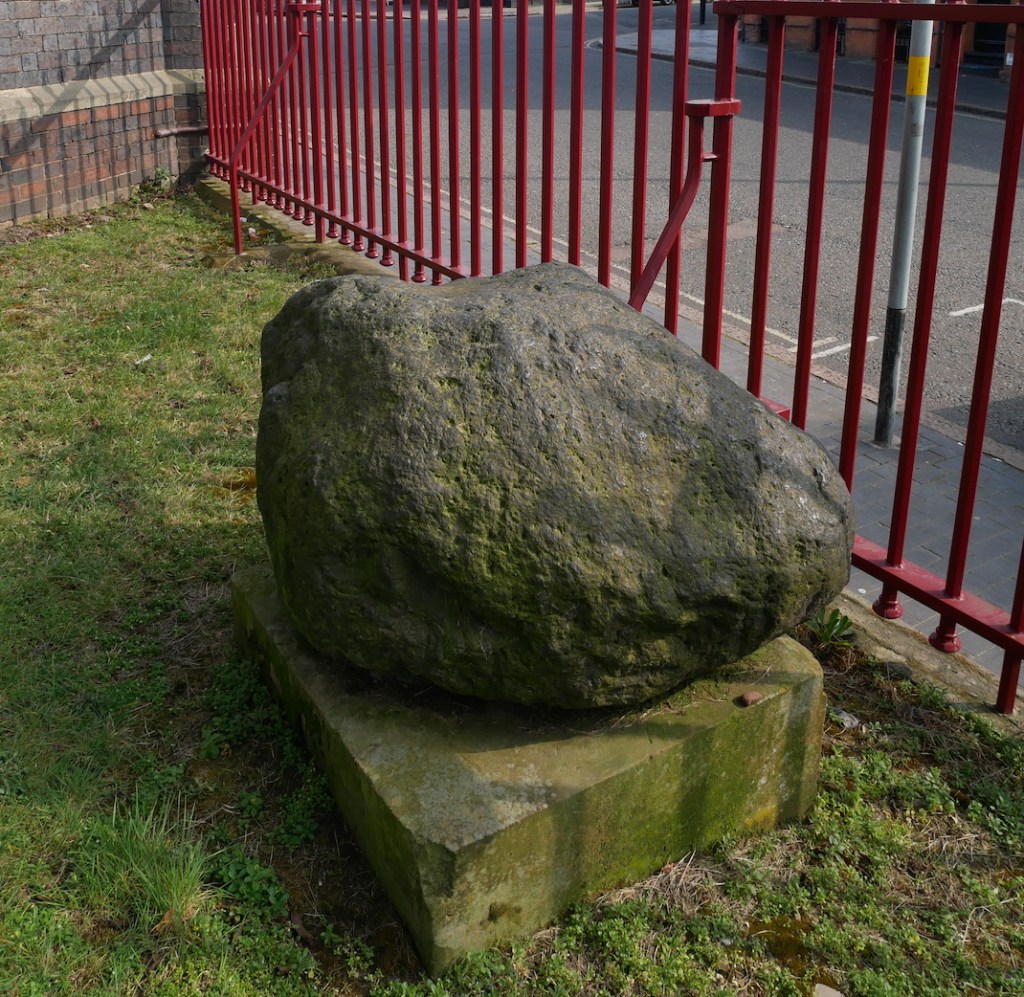
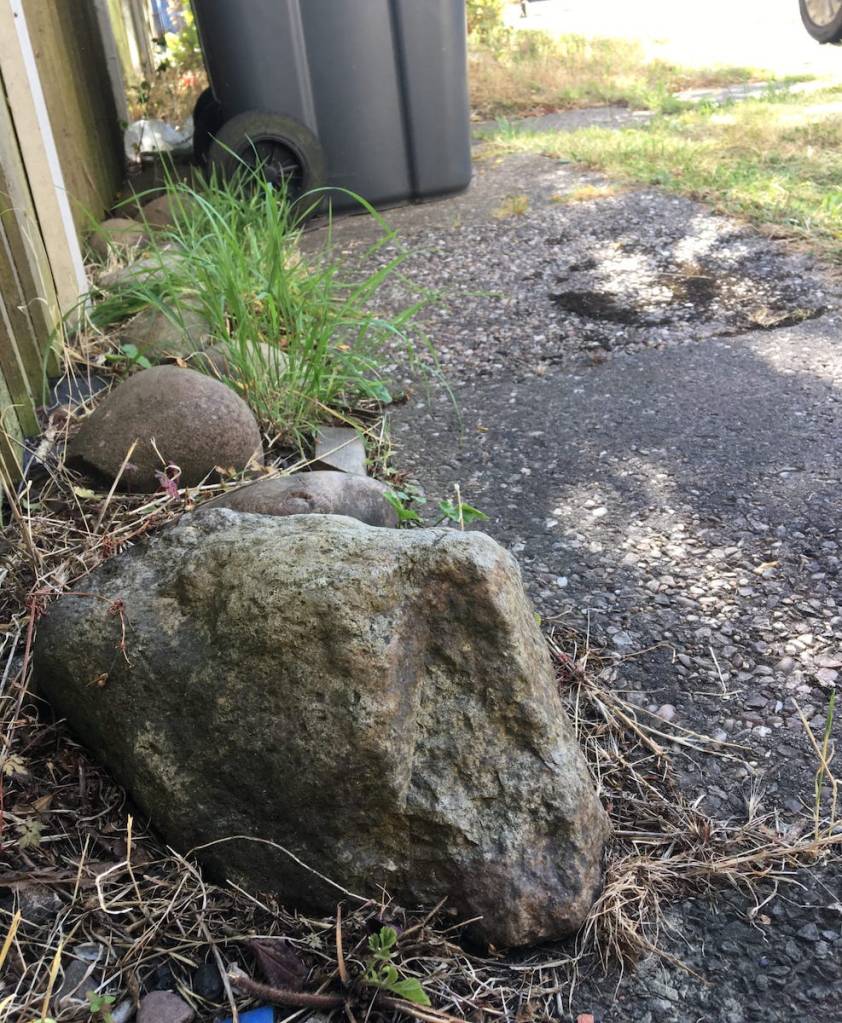
The “wandering rocks” of the title refers to the erratic boulders which travelled to Birmingham from Wales on an ice sheet 450,000 years ago. The catalyst for this walk came when I discovered one of these peripatetic stones hiding out in my front garden beside the footpath.

© Andy Howlett

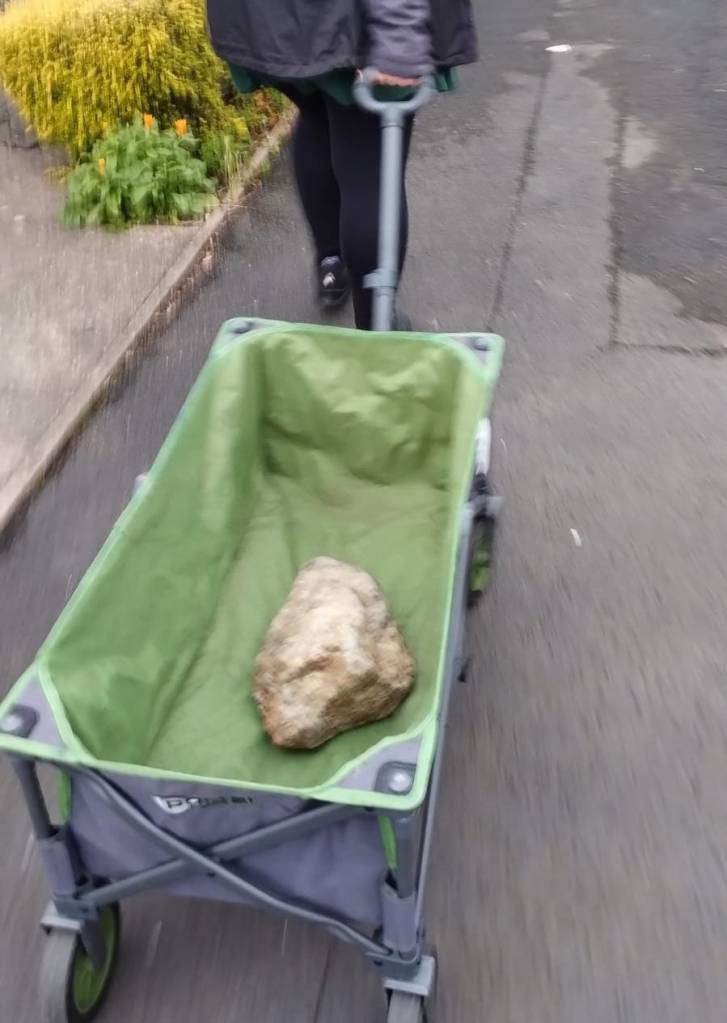
After receiving confirmation of its erraticness from the experts at the Erratics Project, I met up with Robson in the pub and we started plotting the next walk. Taking after the artist Alyson Hallett who travels the world with large stones, we decided to take the garden erratic for a tour of its adopted home city.

© Andy Howlett

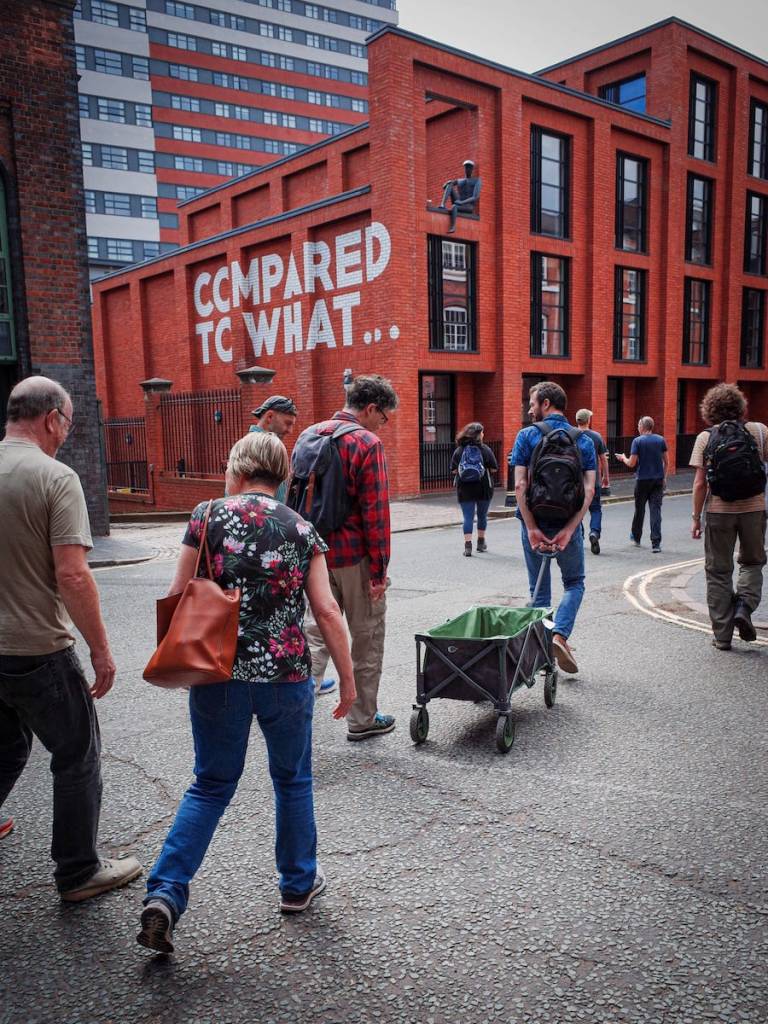
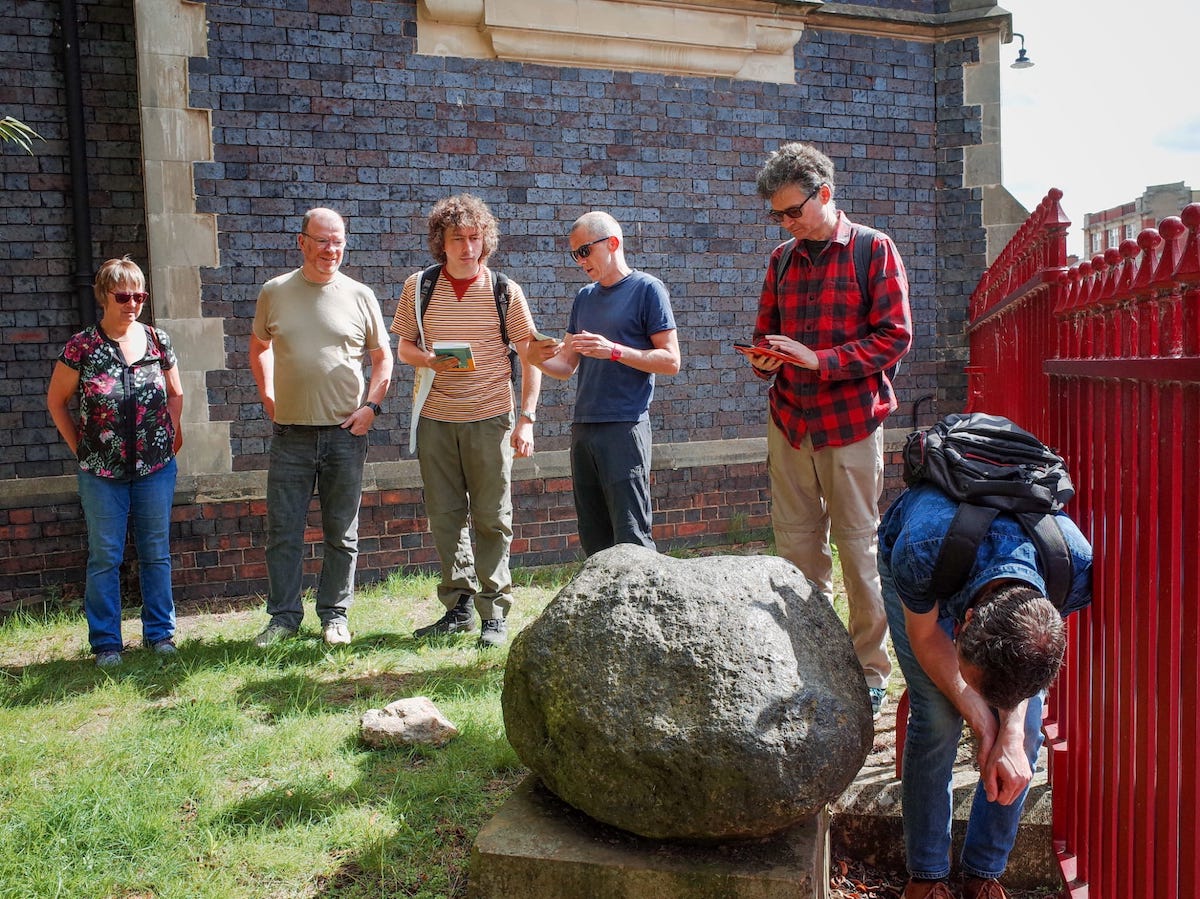
Appropriately enough the walk started in the Jewellery Quarter, a place full of precious stones that have travelled from all over the world. Eleven people came to share this tiny chapter of our stone’s journey by taking a turn pulling the cart.

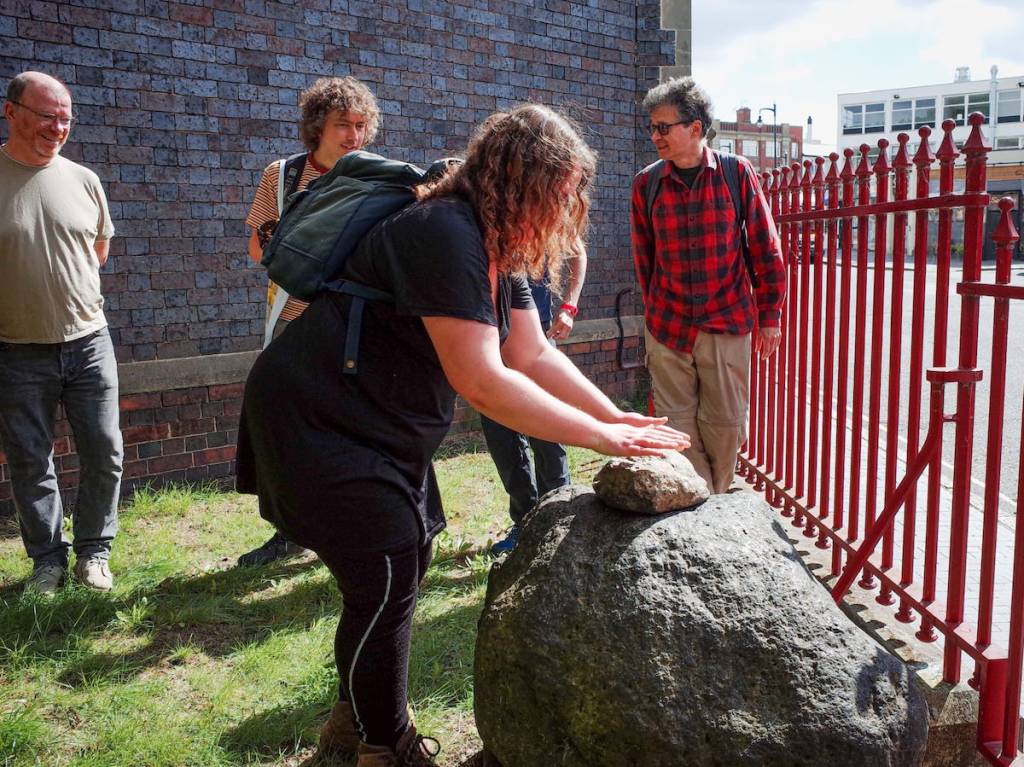
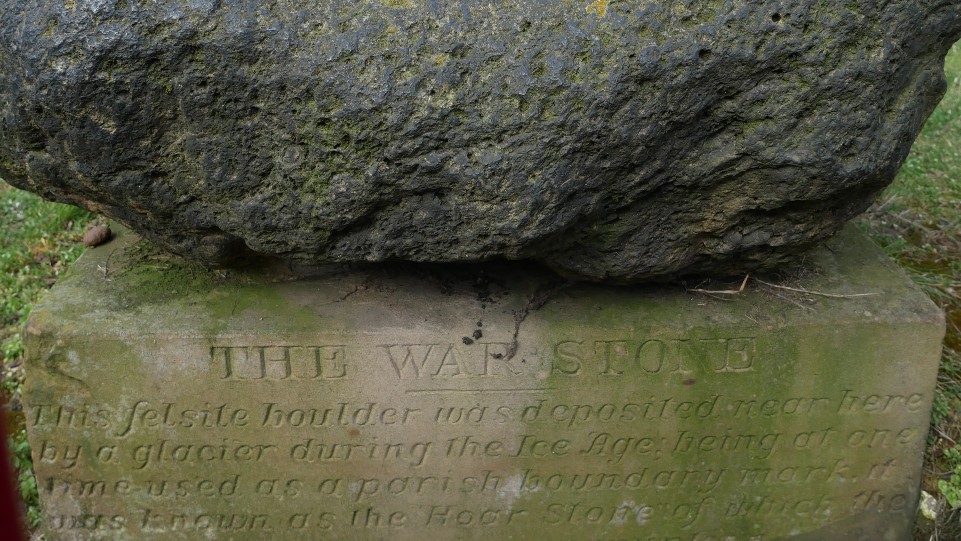
Our first stop was the War Stone which has given its name to the cemetery in which it now resides. An inscription reveals that it once marked the meeting point of the parish boundaries of Birmingham, Aston and Handsworth and that its name is a corruption of “Hoar Stone” meaning boundary stone.
It was an emotional reunion for the War Stone and its smaller cousin who for several millions of years would have been neighbours in the Arenig Mountains.

© Jay Mason-Burns

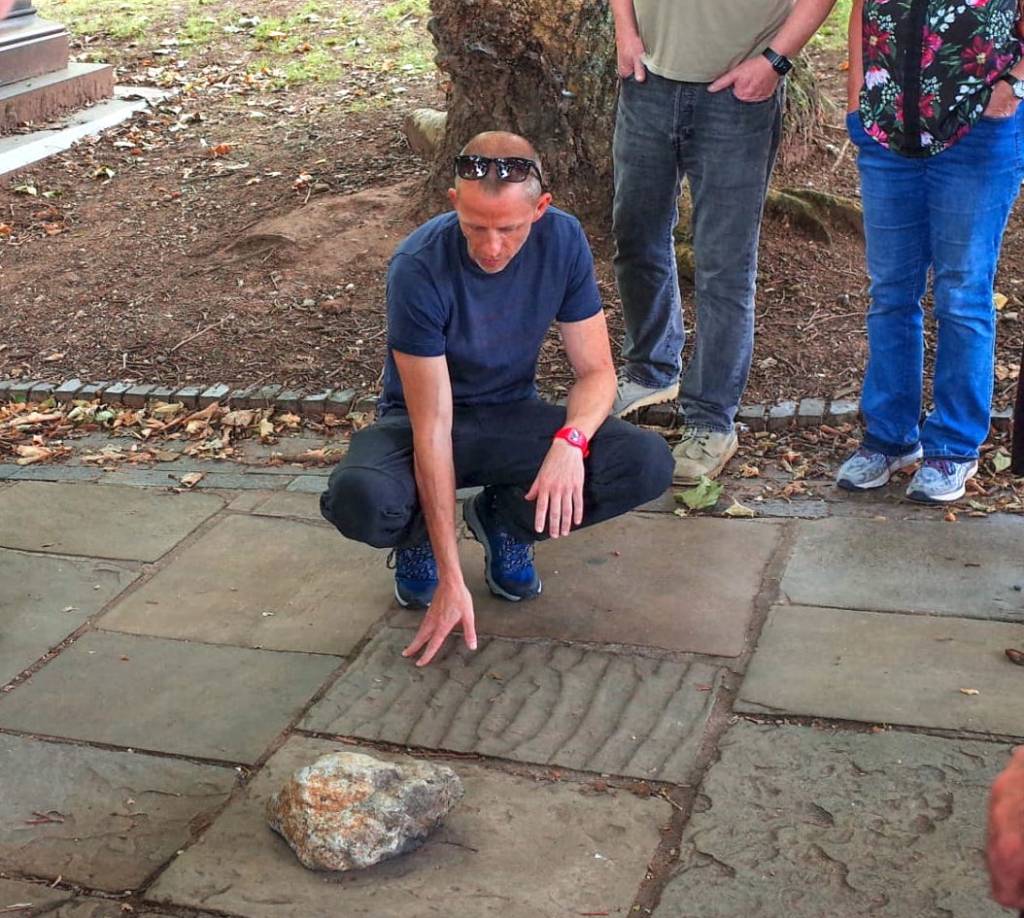
Next up we visited a flagstone in St Paul’s Square which appears to be a petrified slab of riverbed.

© Jay Mason-Burns
© Jay Mason-Burns

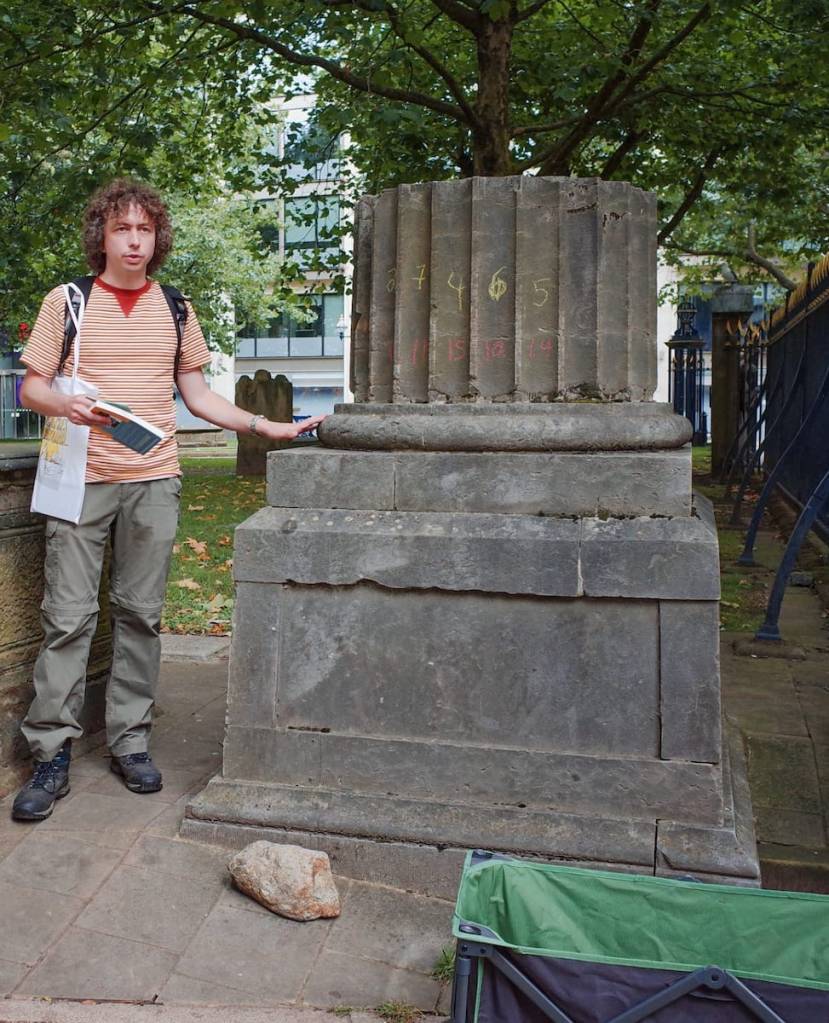
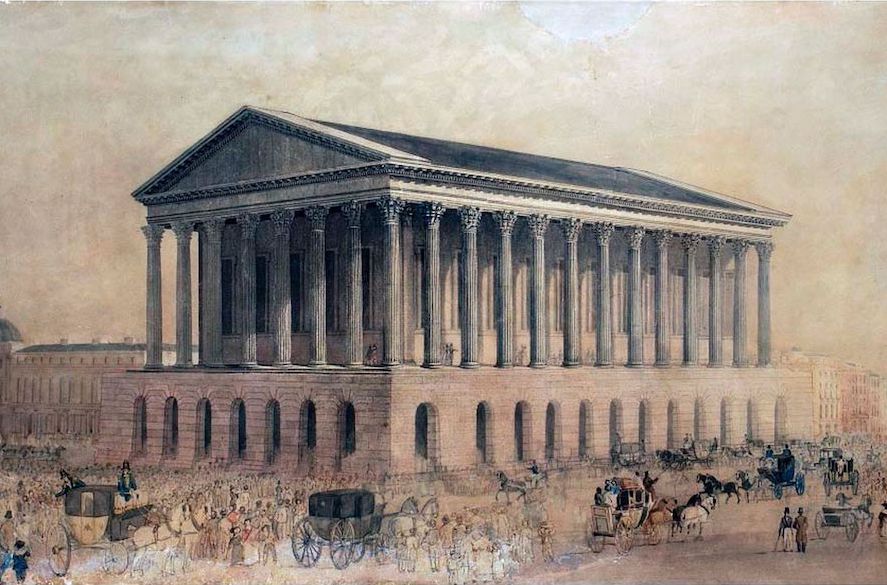
As is often the case on our Erratic walks, many of the best revelations came from our guests. On our visit to the Badger/Heap memorial in Cathedral Square (or “Pigeon Park”), Phil revealed that in funerary architecture a truncated column symbolises a life cut short. The monument commemorates John Heap and William Badger, two stone carvers who were killed by a falling truss during the construction of the Town Hall in 1833. It has since become a focus for International Workers Day to commemorate all workers killed in the workplace.

© Jay Mason-Burns

Curiously this monument isn’t the only “spare part” of the Town Hall to have strayed from its mother building and taken on a new function. In our first Wandering Rocks walk we visited Cannon Hill Park where two of the building’s capitals (the topmost part of a column) enjoy new lives as flowerbed ornaments. How many more architectural “erratics” are out there living incognito? Could you construct an entire building out of them?

In Counter-Tourism: The Handbook Crab Man introduces the concept of “beached heritage” to describe any sort of artefact that has travelled (geographically and/or temporally) and washed up on alien shores.

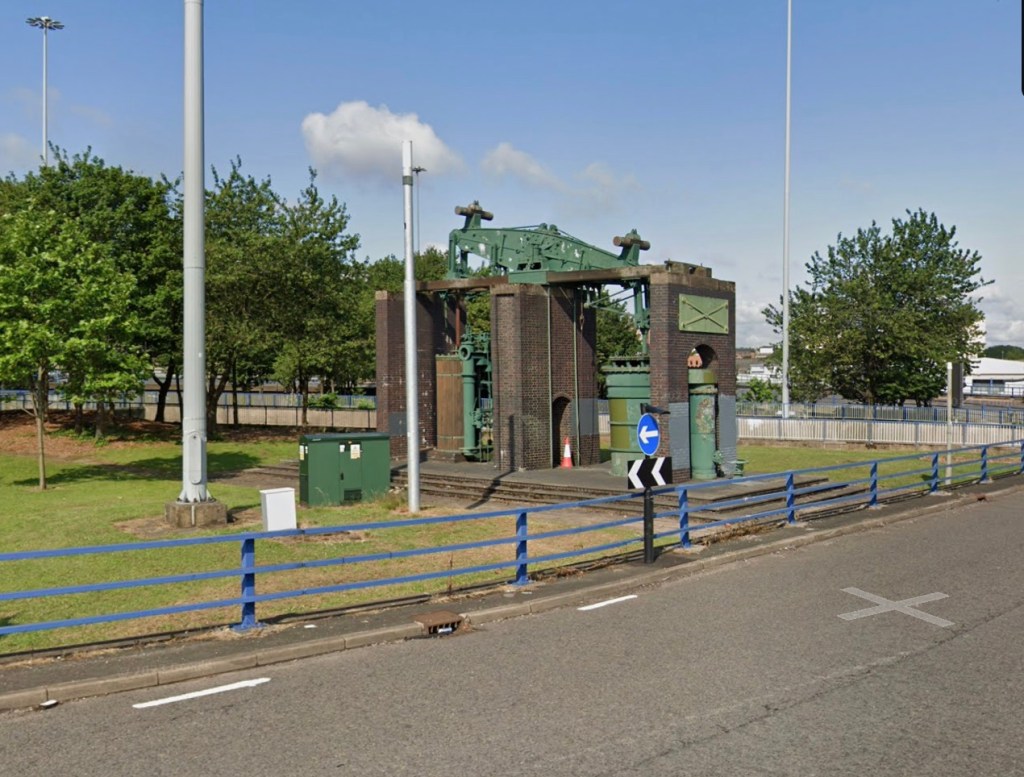
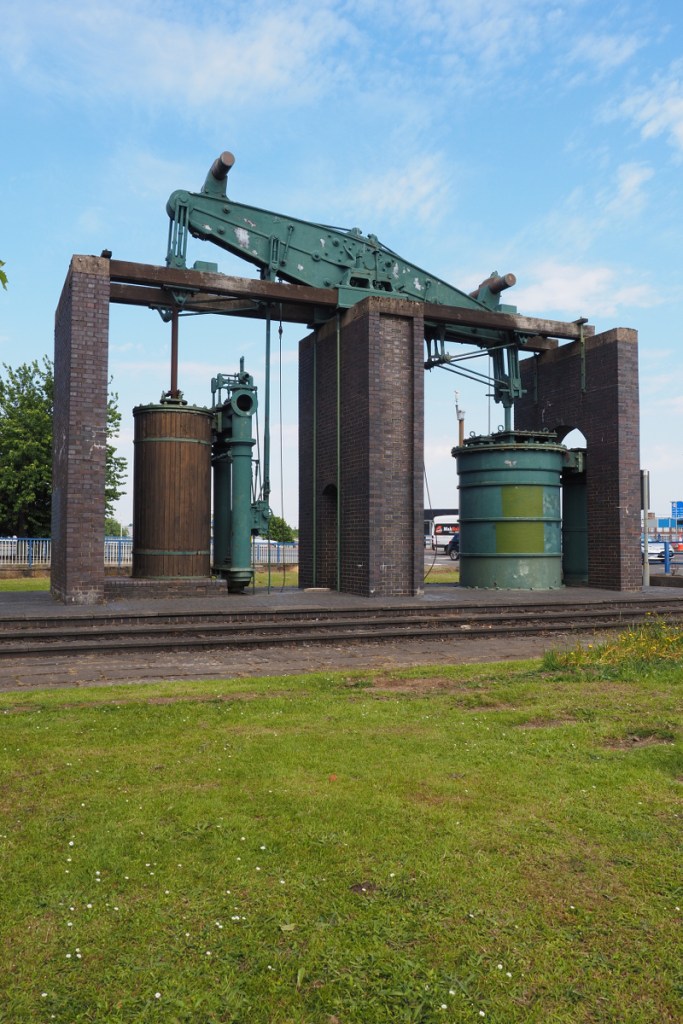
Birmingham’s most striking example of this is surely the Grazebrook Beam Engine of 1817. Built to the design of local inventor and Steam Age pioneer James Watt, the beam engine was used for blowing blast furnaces at the Grazebrook foundry in Dudley. It’s the largest steam engine ever built in the Birmingham/Black Country area and it remained in operation for close to a century. It now sits on a busy traffic island overlooking the Aston Expressway.

Screenshot

The engine is accessible via pedestrian subways but there is no information board to explain its historical significance. Its mute grandeur speaks volumes enough. Just over the way though is a shiny black plaque commemorating the Matalan development of 2001.

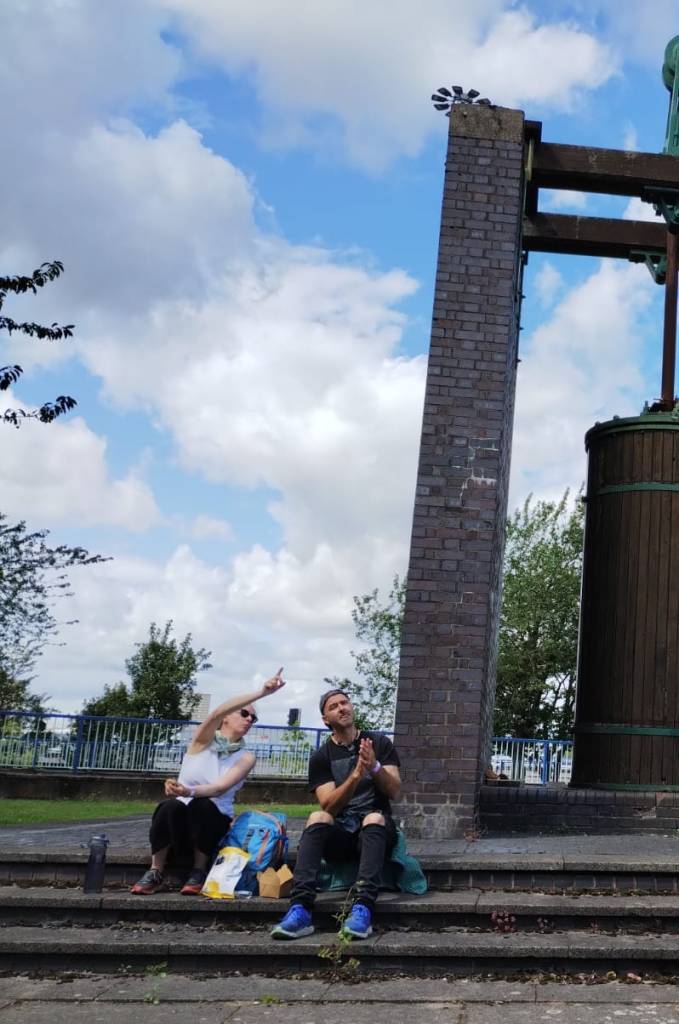
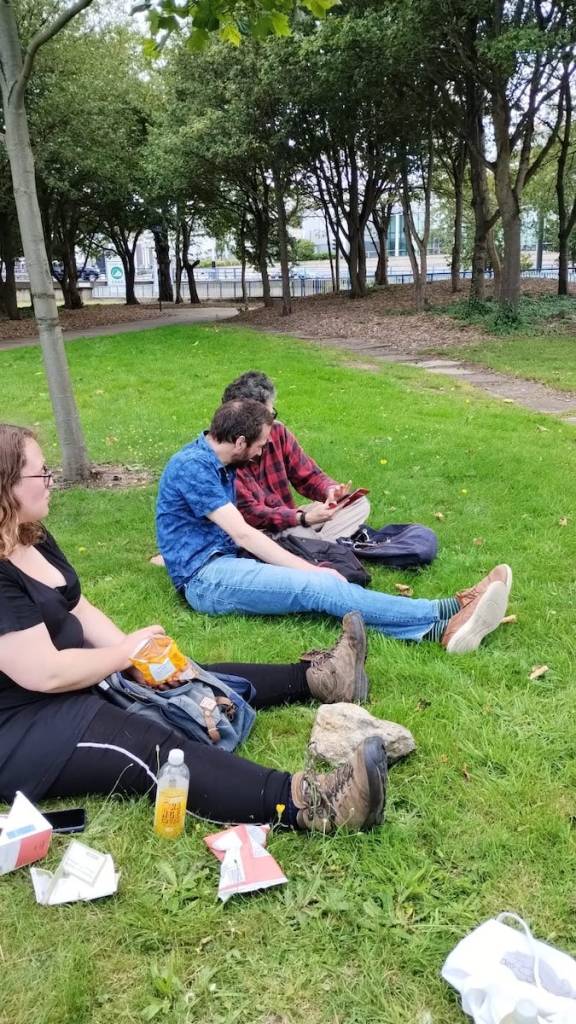
The traffic island itself, Dartmouth Circus, is something of a monument to Birmingham’s motorcity age when the planners reimagined roundabouts as sites for green space and relaxation. In fulfilment of this vision we stopped here for a picnic.

We visited several examples of public art: some for their nomadic history (William Pye’s Peace Sculpture), others for their geological intrigue (Vincent Woropay’s Wattilisk), but perhaps the most pleasing stop of this sort was the one we didn’t plan.

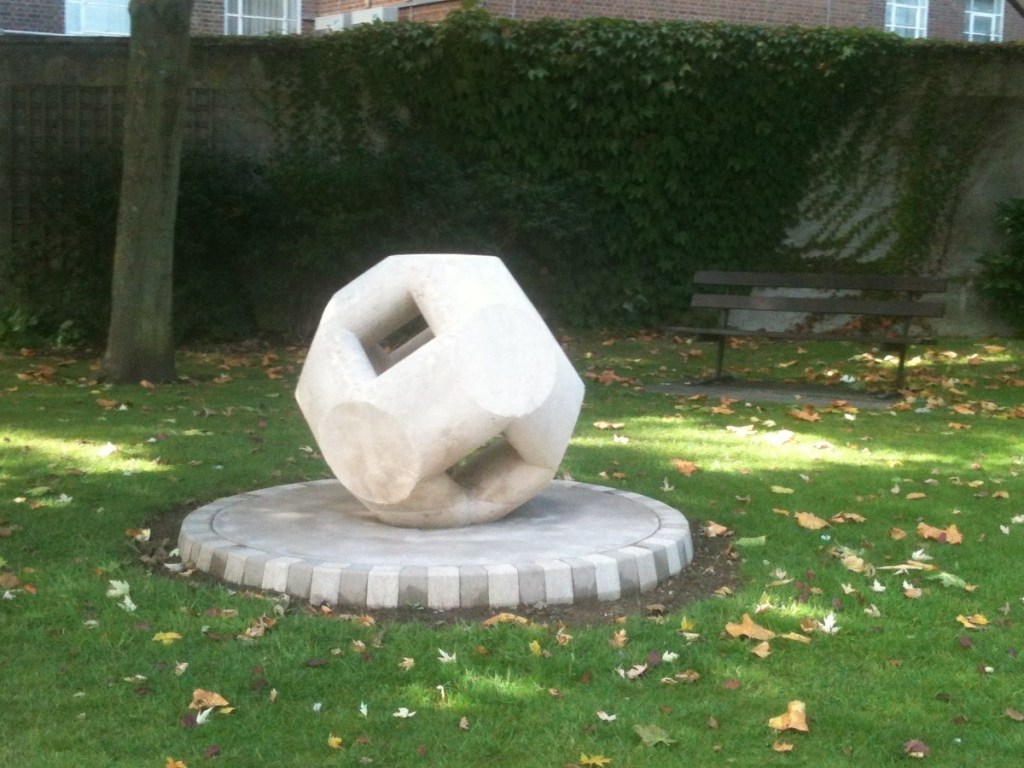
As we passed through Aston University campus one of our party (Phil again) spotted one of John Maine’s Aston Stones which he remembered from his time as a student there. Phil told us how originally there were five of these stones (we only saw one) positioned along two axes in the shape of a cross. They weren’t fastened to the ground though and if several drunk students put their backs into it, the stones could be manoeuvred around the campus in the middle of the night. This earned them the nickname “The Rolling Stones”.

Those other four stones must be out there somewhere. Photo © Brianboru100

Thank you for joining us on this journey, whether that was in person or by screen. If you’d like to join us on future walks and hear about other Walkspace activity please sign up to our mailing list.

For now I shall leave you with an on-theme poem from one of my favourite writers, Joel Lane:

Don't Go

You said, stone dies like us.
They knocked down that pub 
off Deritend, close to the viaduct
that'll be the next thing to go.
I said, but stone doesn't live:

just sweats it day after day,
holding on, but not feeling,
slowly growing a coat of ash
while the lime drips from its pores.
You said, that's not living?
© Charlie Best
Categories
Inspiration Posts

Polaroids, Podcasts and Perambulation: a walking podcast

Sat in a coffee shop in May, Julia O’Connell, artist and co-artistic director of independent, Coventry-based cross-discipline performance company Theatre Absolute, propositioned me with a brand new commission for their new work Project:Public.

I don’t know about other artists, but when I’m offered a new commission my entire being floods almost instantly with nerves and self-doubt. I tried not to show that. I think you learn to trust that, actually, those feelings are natural, and are your body’s way of protecting itself from something challenging. You hide it and push through so you can grow.

Julia asked me to consider what it is right now that I’m obsessed with, what I can’t stop thinking about, what’s at my core.

Project:Public is their first work post-venue. Coventry City Centre South is a redevelopment plan that has pushed long-term independent businesses out of an entire swathe of the city centre. Julia, with co-artistic director and photographer Chris O’Connell, have been seeking new ways of making work.

I’ve been a member of Walkspace West Midlands for a good couple of years. I once led a walk around central Coventry for some amazing artists from the collective. It’s a rich collective. I took part in the group show at Artefact this year, but other than that, I just don’t seem to get the time to join for any of the fascinating wanders, erratics, adventures and exploratory research trips. I feel a bit rubbish about that but nonetheless, I admire the group and themes, and am endlessly inspired and propelled artistically by the subject matter of creative walking.

In the proposed commission, I found an opportunity to hurtle into creative walking – performative walking – conversational walking – disruptive walking. I hoped the Walkspace group would be proud. [We are! – Ed

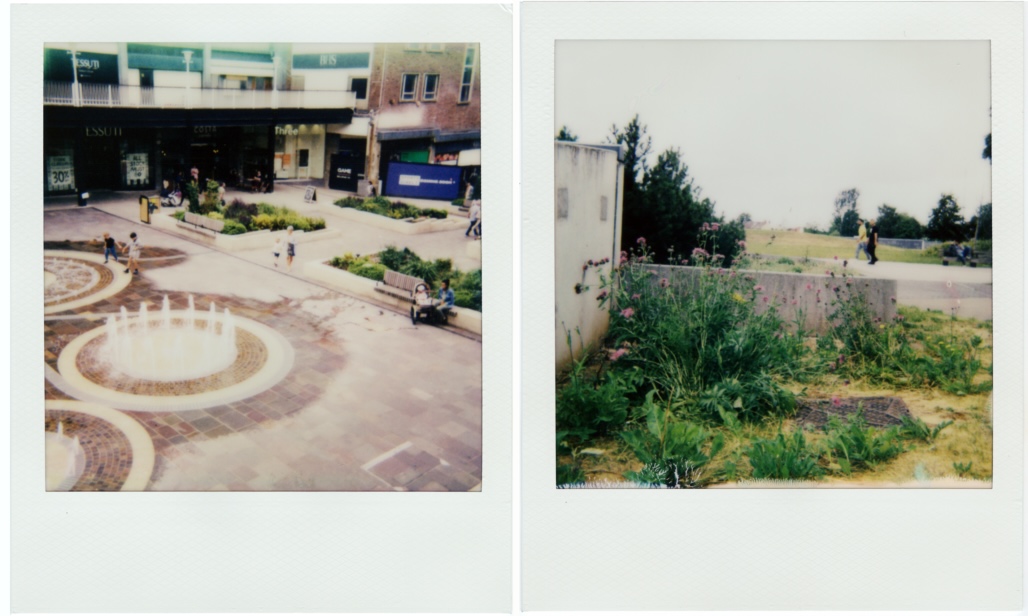
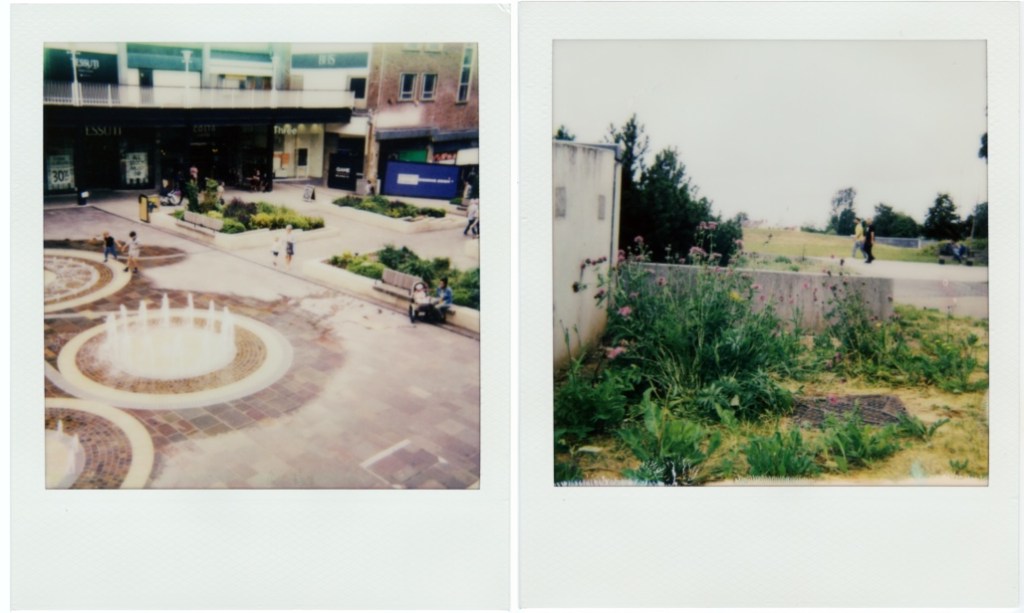
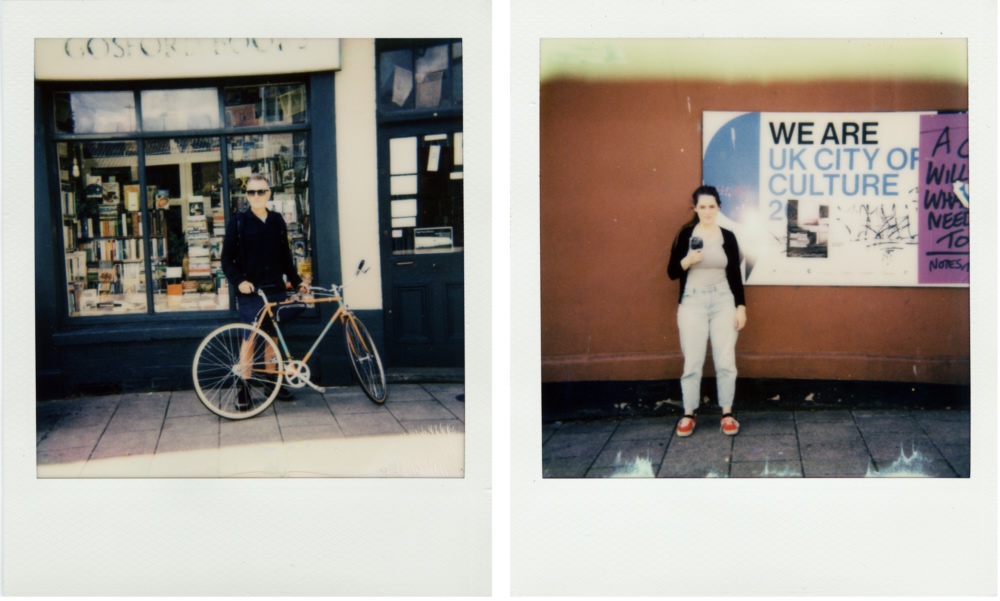
And so, being unable to resist an alliteration, Polaroids, Podcasts and Perambulation was born. Bringing together, as it says on the tin, instant photographs of the city with podcasts recorded whilst perambulating.

We recorded two in July – one walking on Hearsall Common with Julia:

The other walking around Ball Hill and Stoke with Chris:

We used a set of prompts for topics to discuss while talking – moving between many varied themes relating to the arts, from notions of time, pace, pressure, randomness, histories, play, funding, collaboration, getting lost, being reactive, being sensitive, and of course, public space and walking.

They are 47 and 57 minutes long, and published on Soundcloud. You can find all the content – prompts, polaroids and podcasts – at this link. You can also find lists of references of people, things, projects and histories mentioned. 

Please do listen and share any thoughts if you’d like to. My email is adelemreed@yahoo.co.uk and my website is here.

Categories
Upcoming Events Walkspace Erratics

The Wandering Rocks – walk two

Last year we began our Wandering Rocks series of walks by visiting some of the erratic boulders that travelled here from Wales on a glacier 450,000 years ago. While most of the boulders are to be found in the suburbs to the south and west of Birmingham, for this walk we’ll be heading to the city centre where an outlier erratic can be found disguised as a parish boundary marker.

In Counter-Tourism: The Handbook Crab Man introduces the concept of “beached heritage” to describe artefacts that have travelled and washed up in unlikely places. “Once you become sensitive to these ‘erratics’ you will begin to navigate a landscape from which such anomalies, large and small, repeatedly pop up.”

On this walk we’ll be visiting other examples of beached heritage including an architectural spare part repurposed as a workers’ memorial and a piece of Birmingham’s industrial heritage literally marooned on an island.

We’ll also be joined by a very special guest of the mineral variety: our very own “wandering rock”. If you fancy it then you may take a turn in carrying the guest for part of our city centre tour.

Categories
Upcoming Events Walkspace Erratics

Metaphysical Treasure Hunt: a group drift in Stirchley

For June’s Erratic we’re trying out a classic walking game devised by Morag Rose and the Loiterer’s Resistance Movement. We’ve long been wanting to try some more experimental approaches to our public walks and the Metaphysical Treasure Hunt seems like a great way to start.

The Loiterers Resistance Movement is a Manchester based collective of urban wanderers founded in 2006 by Morag Rose. Over the years they’ve developed an array of playful techniques “to nurture an awareness of everyday space, (re)engaging with, (re)mapping and (re)enchanting the city.”

The Metaphysical Treasure Hunt is a game in which participants respond to a series of playful prompts which encourage new ways of engaging with space. The game is played as a group, with participants responding collectively and improvising the route of the walk in real time. We’ll be starting ours in Stirchley Park in Birmingham but who knows where we might end up?

These are some examples of prompts used in past LRM treasure hunts:

  1. Start with something light. Look for the brightest yellow thing you can find.
  2. Look down at the flotsam and jetsom. What are traces and rubbish trying to tell you?
  3. Can you find evidence or rumour of the supernatural or mythological in your landscape? Do ghosts linger?

Each prompt gets around ten minutes dedicated to it before moving on to the next one. For our own Metaphysical Treasure Hunt we will source all of the prompts from the ever-growing Walkspace membership. Whether you’re familiar with Stirchley or if you’ve never visited before, you’re guaranteed to see and experience the world in new ways.

Meet in the centre of Stirchley Park (B30 2JX) at 11am, Saturday 24th June. No need to book just turn up. The route of the walk will be improvised on the day so the terrain is unknown but expect tarmac, paving, lawn and moderate inclines. Steps will be avoided. After the walk there’s the option of heading to Artefact Gallery for refreshments and to see the Walkspace 23 exhibition.

The route, distance and speed of the walk will be determined collectively based on the preferences and mobility requirements of all taking part. In general though you can expect a leisurely stroll of around 1.5 miles lasting 100 minutes. Children are welcome if accompanied by an adult. The walk shall go ahead whatever the weather.

Any questions email: walkspace.uk@gmail.com

Other Walkspace events in June

These events are all part of the Walkspace 23 group show which runs 3 June to 1 July at Artefact in Stirchley, Birmingham

Categories
Posts Upcoming Events

A walk through Selly Oak’s radical history

>> Book here to register your place on the walk.

Most Brummies know Selly Oak as a stopping point along the Bristol Road – or did until it was bypassed in 2011. A suburb where University of Birmingham students come to shop and eat, its terraced hinterlands rented out as student housing. And its narrow high street (still) a pinch point for traffic. But for locals and those with a longer memory, there is much, much more to this busy South Birmingham suburb.

Still from ITV news footage in October 1976 of tenants on Harborne Lane blockading the road to protest poor housing conditions and demand new council houses

As part of the walk programme for the Walkspace 23 exhibition, this walk goes below the modern surface of Selly Oak to explore its radical inclinations, and wonder if Selly Oak’s strategic location may be part of the reason.

A poster from late 1977 advertising a benefit gig at the pub (now the Goose at the OVT) to oppose council plans to evict the People’s Centre, a squatted community centre

Josh Allen will lead the walk. Josh is a writer, contemporary historian, and occasional curator, who runs his own walk-based project Walk Midlands – “A guide to day walks in the English Midlands accessible without a car, for walkers interested in all aspects of the region’s people, landscape and history.”

There are limited places on this walk. Further info and booking here.

Categories
Films Upcoming Events

Walkspace film night #2

The second Walkspace short film night will take place on Friday 16 June as part of the Walkspace 23 group show. The show runs from 3 June – 1 July at Artefact, Birmingham and it celebrates the diversity of practices of our 40+ membership.

A significant number of our members work with film and moving image and so we decided to dedicate an evening to this art form.

Expect video essays, poetry films, artists’ moving image and Super 8 ambulations, covering everything from hyper-urban strolling, female risk calculations, tree-mapping, cross-city walking, “psycho-geology” and Rural Otherness.

Doors open at 7pm and admission is on a pay-what-you-feel basis.

Still from Cross City Walks by Andy Howlett and Pete Ashton
Categories
Inspiration Posts Upcoming Events

Still Walking, book launch, and the search for a lost well

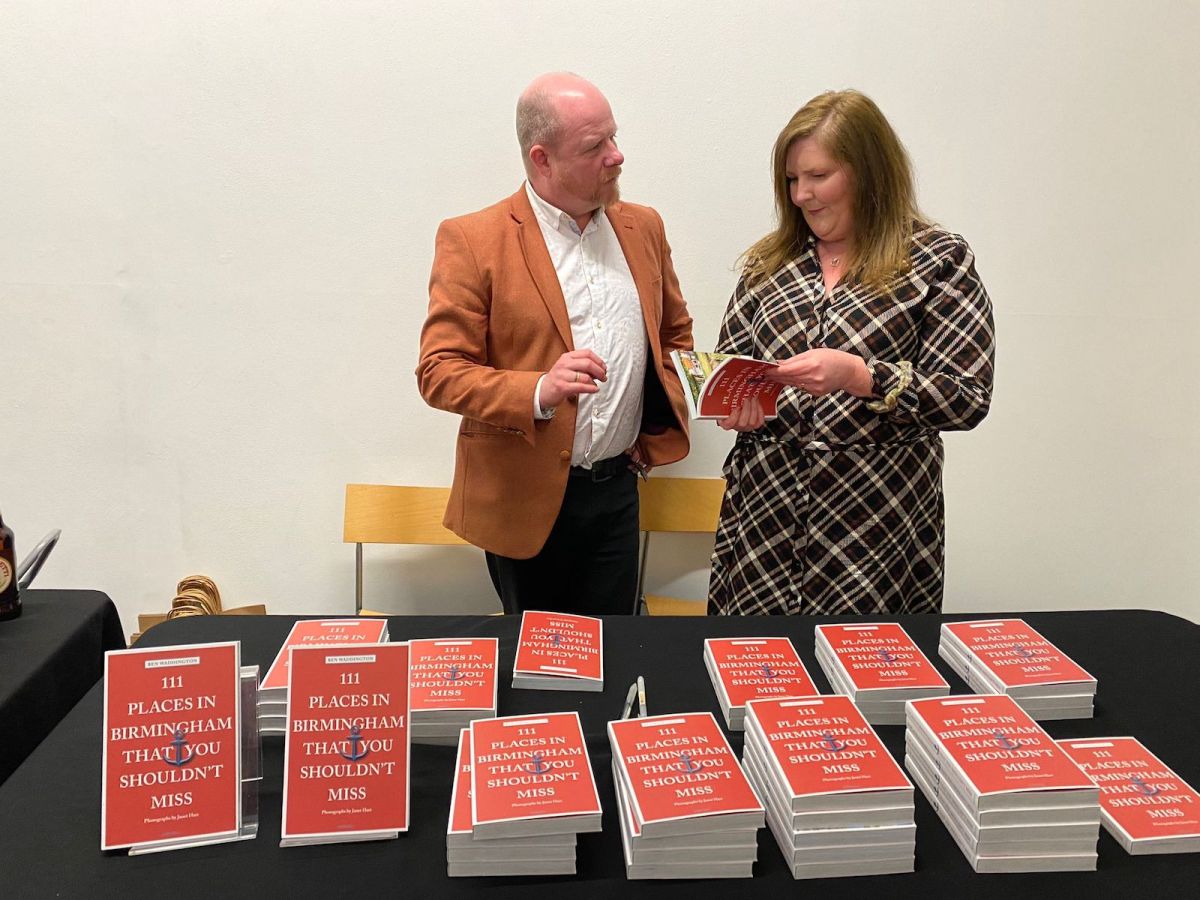
It’s lining up to be a good summer for walking in Birmingham with the return of Still Walking Festival and the accompanying guidebook “111 Places in Birmingham That You Shouldn’t Miss” by Ben Waddington.

Still Walking has been a big influence on many of us at Walkspace with its unusual and highly creative approach to the walking tour format so we’re very excited for its return over May and June. This edition features Sherlock Holmes, Shibboleths and Satan. Book onto the walks now.

As for the book, here are some words from the publisher:

‘111 Places…’ books are known for side-stepping a city’s best known places, instead highlighting the lesser-known— or wholly overlooked— features that more candidly reveal the city’s identity. Ben takes this approach on his guided tours with Still Walking… walks informed by posing the question ‘what would guided tours look like if they weren’t about sight-seeing?’

The aim of the book was to tell Birmingham’s story through its art, architecture, music, industrial history and cultural diversity; showcasing the city’s triumphs while embracing its gritty side. Accordingly, there’s an intriguing mix of urban oddities, micro-museums, sacred sites, epic landscapes, industrial remnants (bridges, tunnels, engines) and a handful of ‘survivors’ from the pre-Revolution Birmingham. 

A few of us went along to the book launch at Ikon gallery earlier in the month and listened to Ben in conversation with Andrew Kulman. The talk was full of fascinating insights but it was especially interesting to hear about all the things that for one reason or another didn’t make it into the book.

The book was several years in the making and in typical Birmingham fashion a number of the places originally due for inclusion were demolished before it went to print. Perhaps we can expect a follow-up volume: “111 Places in Birmingham You Shouldn’t Have Missed”.

Another reason for some places not being included were the difficulties in obtaining permission to photograph private property. Ben told us of the case of the Lady well, “Birmingham’s answer to Leicester’s Richard III car park discovery“.

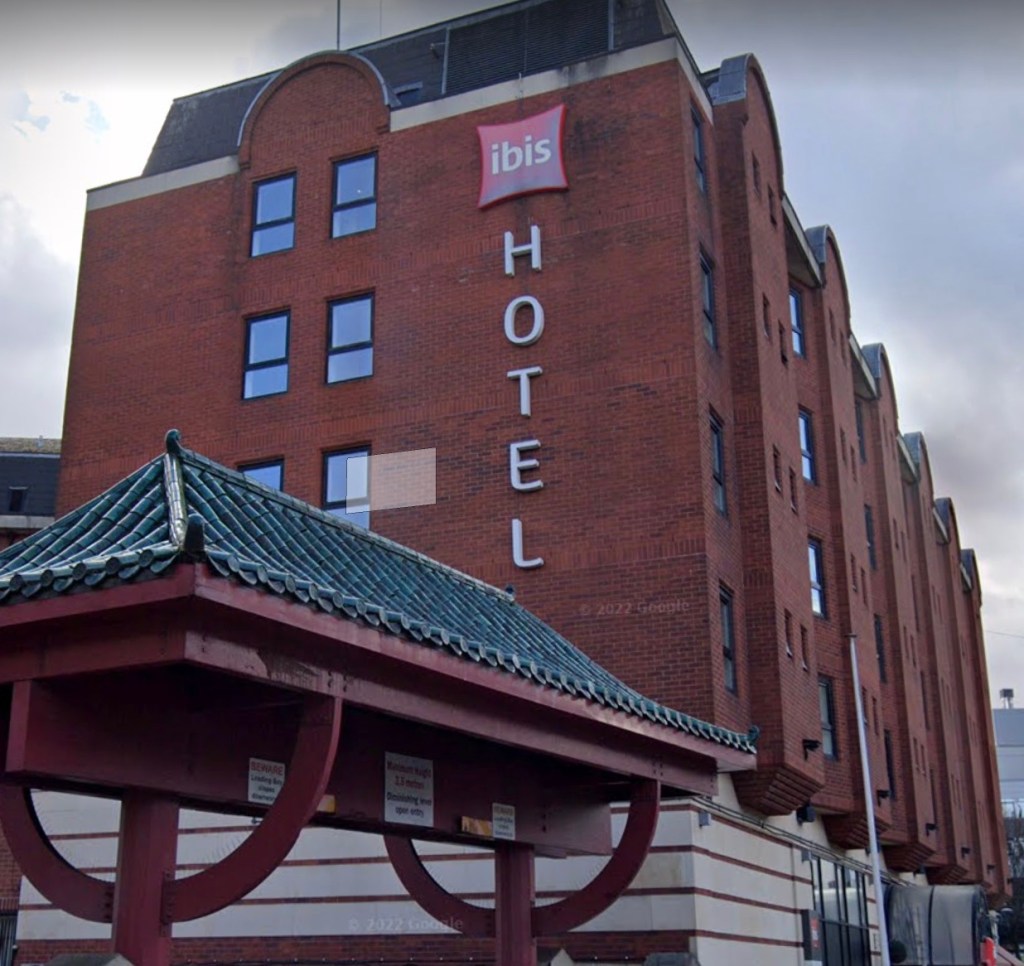
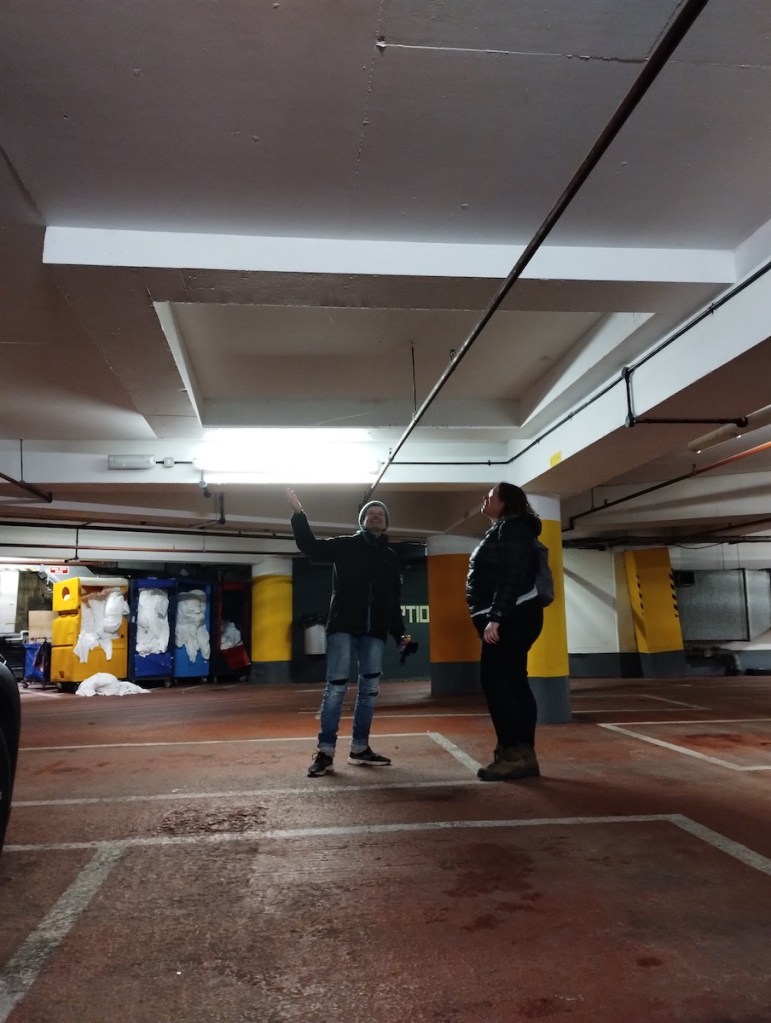
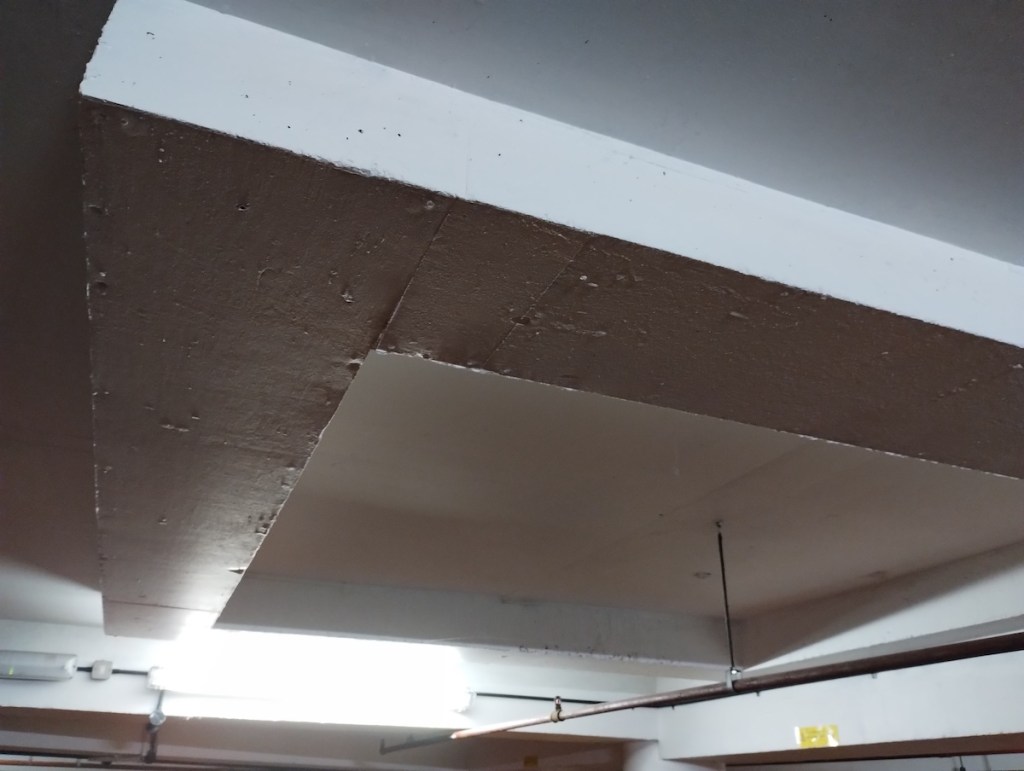
Buried underneath the car park of the Ibis hotel in Chinatown is a holy well, probably once dedicated to the Virgin Mary, that provided water for domestic and industrial purposes until the mid 19th Century. The site of the well is marked only by a concrete square built into the ceiling above.

Ben enquired to Ibis for permission to photograph the sacred site but found himself entering a Kafka-esque, bureaucratic nightmare, being passed from department to department with no one being able to give him a clear answer. Alas, the Lady well doesn’t feature in the book. This story was just too tantalising though so immediately after the book launch three of us decided to schlep over to the other side of town in the pouring rain to investigate.

Photo © Andy Howlett

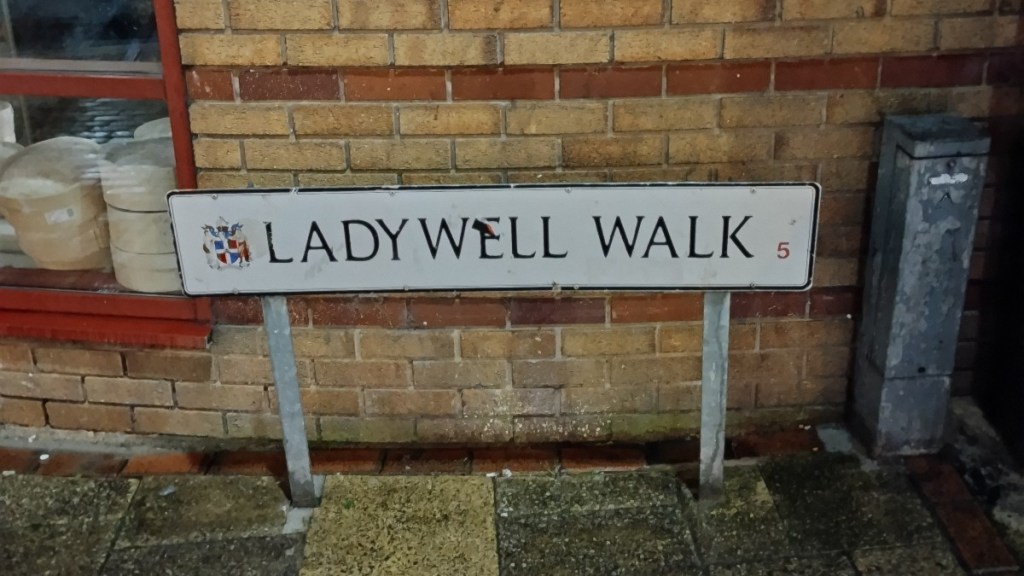
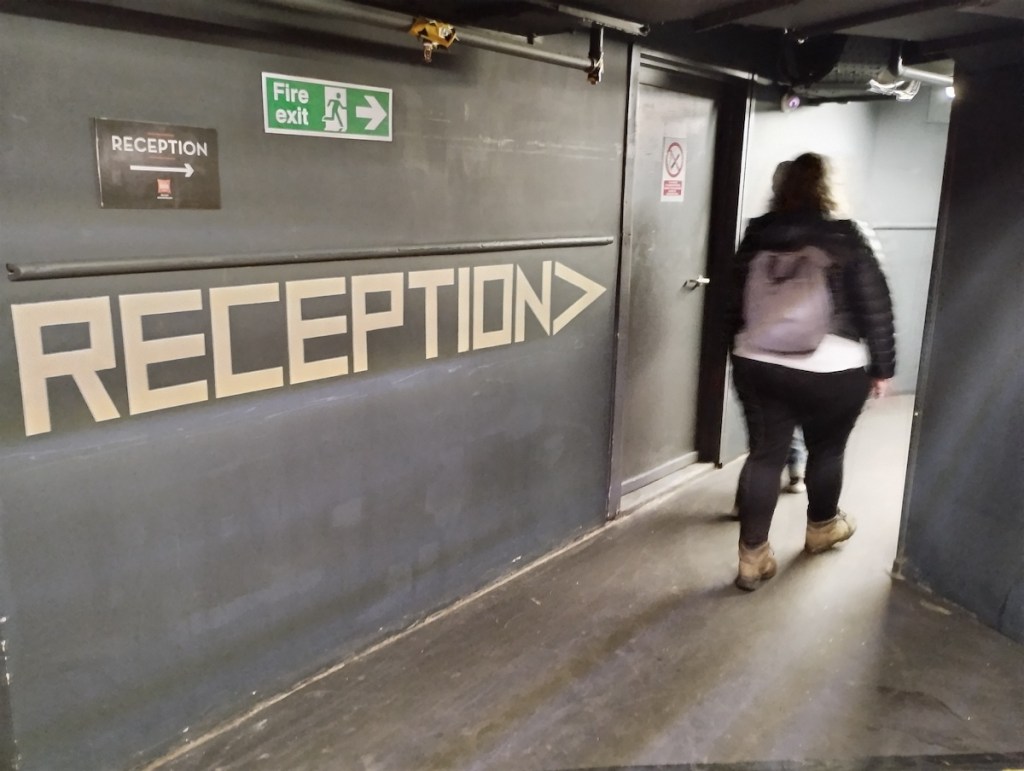
The first clue is in the name of the road that the hotel is on: Ladywell Walk. The car park can only be accessed through the hotel reception so we stepped inside, approached the receptionist and said that we had come to see the site of the holy well. Somewhat perplexed by this request, she told us to take a seat while she went to consult a with colleague.

A few minutes later the colleague came and acknowledged the existence of the well but warned us that there wasn’t much to see. She offered us a keycard to get down there and told us about reported ghost sightings associated with the well. Unperturbed we thanked her and made our way down.

Photo © Andy Howlett

This is a taster of the sort of unexpected discoveries and urban adventures that Still Walking and “111 Things…” offer up to the curious city dweller. For the tenth edition of the festival, Still Walking has crafted a special programme of eleven walks inspired by the new guidebook. Head over to the website where you can order a signed copy of the book to collect when you attend any of the walks for the discount price of £12.

Categories
Upcoming Events Walkspace Erratics

On Return: Seeking Solace in a City of Trauma

For May’s Erratic Rachel Henaghan takes us on an early morning walk through the shadows of her past. Looking for solace in a city of trauma and austerity, this “return to station” maps a personal story of recovery and reflection after a career in the NHS.

Rachel Henaghan moved to the area thirty years ago but only became truly familiar with Birmingham after commencing her career as a paramedic.

“I had a backstage pass to the city, the privilege of accessing its hidden subterranean spaces, restricted areas, vistas from many high rises. This is costly: there are places I cannot pass without remembering, I know the stories of maintained roadside shrines and flowers, some places I would never venture to again, and I have lost the freedom to explore or travel alone.” 

The walk starts at sunrise, a liminal time when the day closes for some and begins for others. Henaghan invites you to witness the waking hour in the workplace that inspired her to re-establish her art practice. It is a journey of radical cartography, where places are defined by memory and experience.

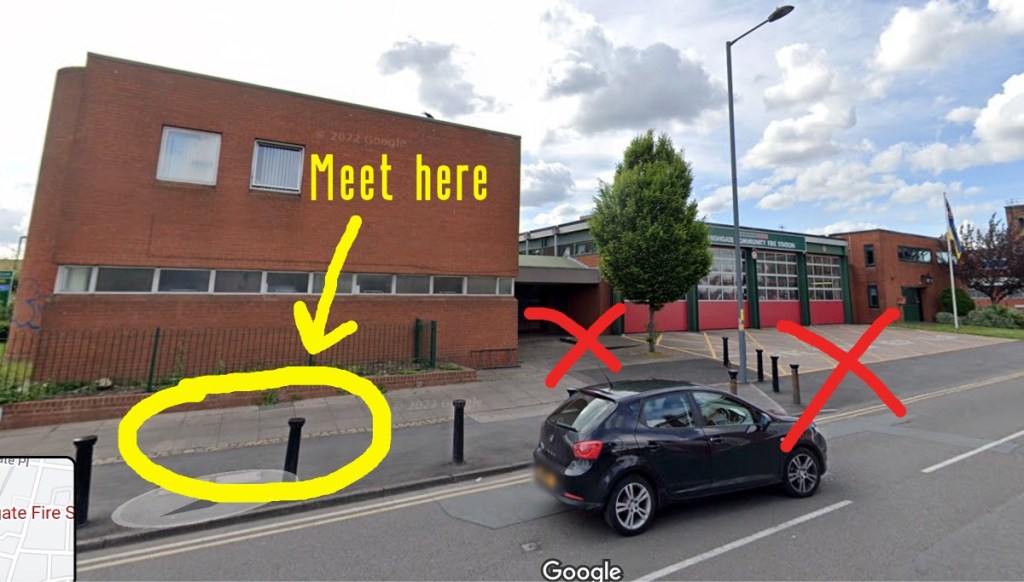
Meet at 5:30am, Saturday 6th May on the pavement outside Highgate Fire Station, Moseley Rd, B12 0DP. Please note this is an active fire station so PLEASE DON’T BLOCK ANY OF THE ENTRANCES! The fire station is on both the number 50 and 8 bus routes, both of which operate at this hour.

Don’t block access to the station!

The walk is about 2.7 miles long and will last around 2 hours, finishing at the Gun Quarter. The terrain will mostly be pavement and road with only minor inclines. Steps will be avoided. After the walk you are welcome to join us for breakfast or coffee in a cafe. The walk will go ahead whatever the weather.

Due to the early nature of this walk please email andyhowlett@hotmail.com to book a place so that we know how many to expect.

Rachel Henaghan was a paramedic and first responder in Birmingham with West Midlands Ambulance Service for 20 years. In 2020 she was diagnosed with autism and PTSD, and decided it was the right time to become a full-time artist. She is a resident at BOM (Birmingham Open Media) and is currently on the STEAMhouse create program researching the potential for VR to improve the health and wellbeing of frontline staff.

Categories
Upcoming Events Walkspace Erratics

Layers of Landscape: a suburban stroll with Robson

Robson has been compulsively walking and exploring southwest Birmingham and its rich surrounds for many years. In that time he has developed an expansive knowledge of the local topography: its winding lanes, ancient trackways and snaking valleys. A walk with Robson reveals a layered landscape of geological, animal and human interventions that form the backdrop of our suburban existence.

For our first Erratic of the year Robson will take us from Bournville Green out to Manor Farm Park and back again, peeling back the layers of the natural and human landscapes to reveal the magic of the everyday. The route takes in old pathways that once crossed farmland, a brook with multiple identities, a 400 year old hedge, a chunky piece of 1960s street infrastructure, a portal to the Elan Valley, ripples from an ice age flood and a recreation of a 14th Century Serbian Byzantine church.

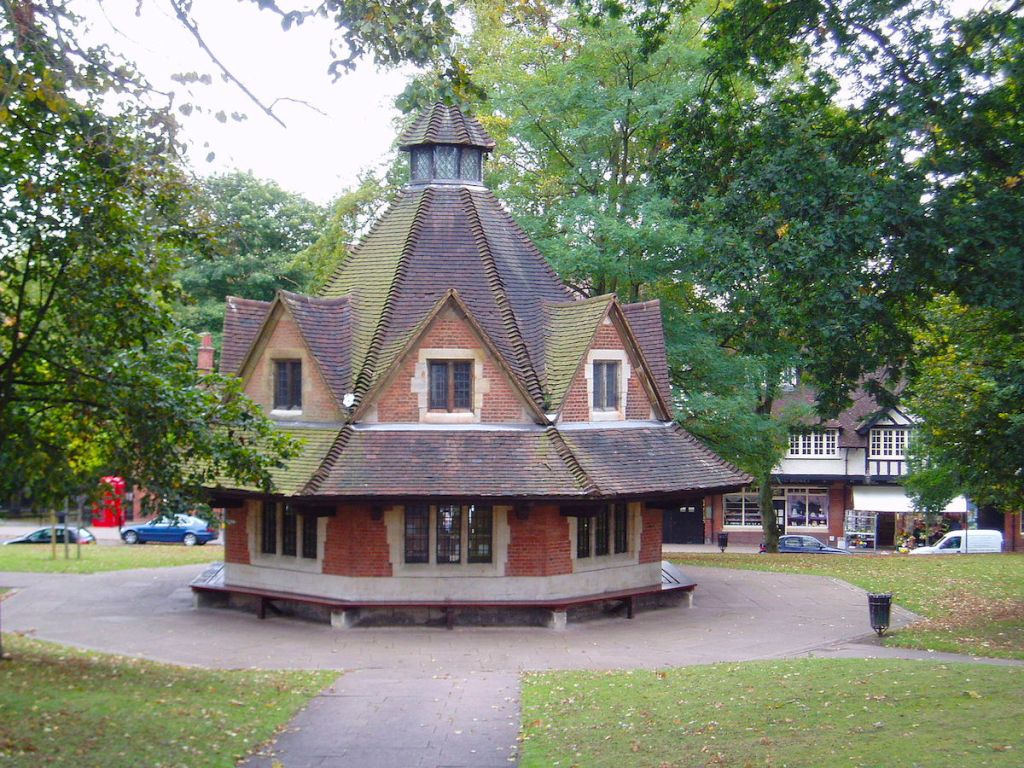
Meet by the Rest House on Bournville Village Green at 11am, Sunday 26th February. This is a circular route of 3.5 miles, finishing back at the Rest House. We’ll walk at a gentle pace and aim to be back by 1pm. The terrain is pavements, roads and grass. We’ll be crossing a footbridge which has ramp access. Steps will be avoided. No Need to book, just turn up. The walk will go ahead whatever the weather.

Meet here. Photo © Steve Cadman